


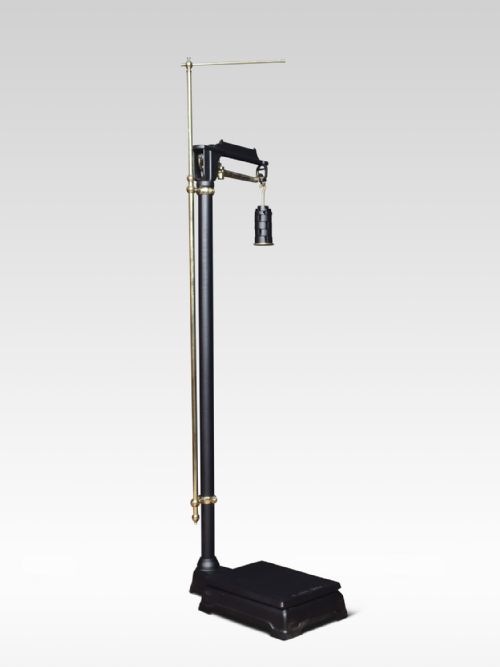


Brass Measuring Scale
A brass measuring scale is an instrument of precision and trade, prized for its gleaming metalwork and mechanical accuracy.
Brass Measuring Scale
When you search for a brass measuring scale, you examine instruments designed for weighing and calibration across the nineteenth and twentieth centuries. These objects range from delicate linen testers and apothecary balances to heavy verification sets and commercial beam scales.
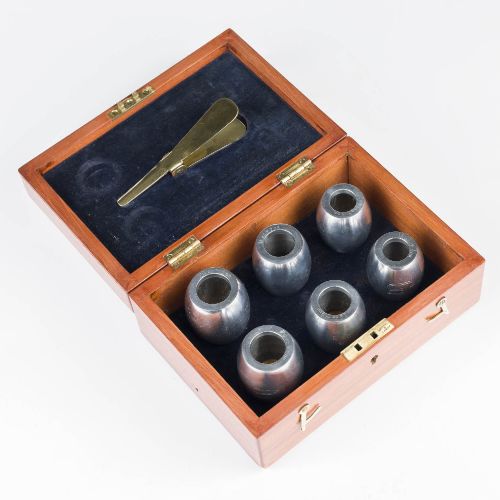
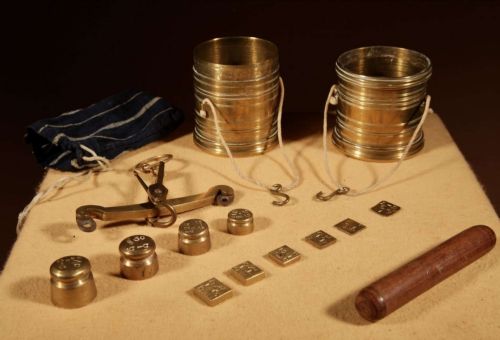
You meet pieces originating from English and European makers, often housed in fitted wooden boxes with velvet or textile linings. The selection includes complete sets of standard weights alongside the actual balance mechanisms they served.
How they were made
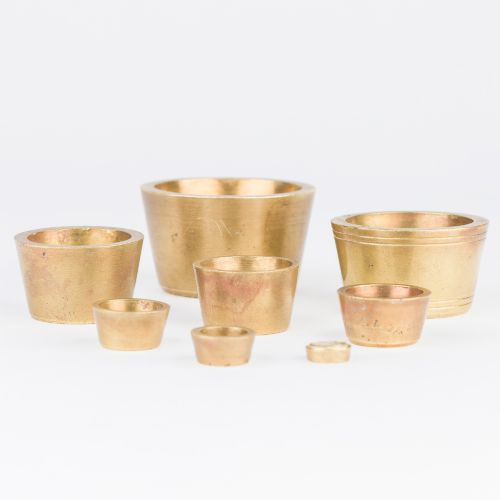
Craftsmen utilised heavy brass for the beams, pans, and weights, ensuring durability and resistance to corrosion during regular commercial or scientific use. Mahogany and other hardwoods provided sturdy cases, frequently fitted with glass covers to protect sensitive moving parts.
Makers integrated steel components for knife-edge pivots to minimise friction and maintain precision. Velvet and textile linings inside fitted boxes secured delicate calibration weights and magnifying loupes during transport.
Brass Measuring Scale Retail Price Guide 2026
Typical asking prices for brass measuring scale among the pieces listed under this phrase on Sellingantiques today, from the lower quarter to the upper quarter. They describe what is for sale here now, not the wider market.
Listings feature brass, mahogany, and steel materials across nineteenth and twentieth-century scientific and commercial forms.
What varies in quality
The standard of workmanship depends on the precision of the balance and the completeness of the original set. Fine examples retain all matching weights, clear maker inscriptions, and undamaged wooden cases.
Institutional verification sets commissioned for cities and boroughs often display superior finish and official stampings compared to standard commercial variants. The presence of specialised components, such as mahogany housing or integrated measuring scales, elevates the sophistication of the piece.
De Grave Short And Co·W And T Avery·Fairbanks Scale Co·Casartelli Manchester
The Brass Measuring Scale Glossary
- Balance scale
- An instrument featuring a central fulcrum and two suspended pans for determining mass. It operates by equilibrium rather than spring tension.
- Chondrometer
- A specialised scientific instrument used to measure the weight of grain per bushel. It combines a beam scale with a standardised measuring cylinder.
- Verification balance
- A heavy-duty scale utilised by local authorities and inspectors to test commercial weights and measures. These pieces bear official government or municipal stamps.
- Troy ounce
- A system of units of mass traditionally used for precious metals. Weights in this standard appear alongside fine laboratory and assay scales.
- Linen tester
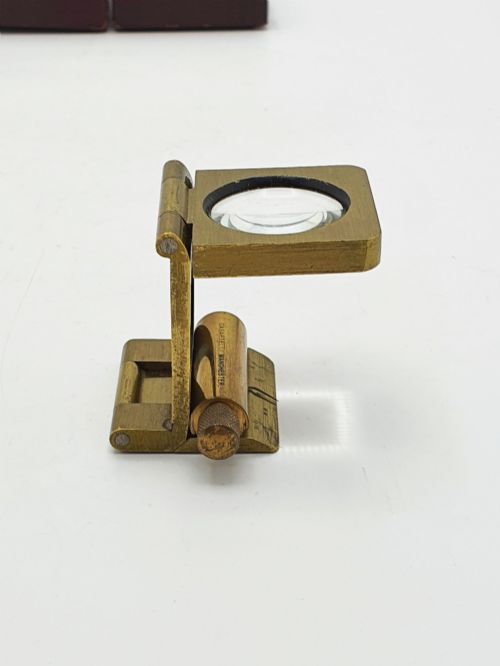
- A small folding magnifier equipped with a measuring scale at the base. It allowed textile merchants to count threads per inch in fabrics.
Brass Measuring Scale: Frequently Asked Questions
What are brass measuring scales?
These instruments are mechanical devices used to determine weight, mass, or linear dimensions for trade, science, and industry. They combine brass mechanisms with fitted wooden cases and calibrated metal weights.
Examples range from portable pocket linen testers to large verification beam scales used by municipal authorities. Each piece reflects the strict standards required for official measurement.
How were these scales used?
Operators used them to weigh precious commodities, test grain density, inspect textiles, or verify commercial weights. Inspectors carried regional sets to check marketplace accuracy.
Many specialised items served specific trades, such as apothecary work or doctor's office measurements. The inclusion of matching weights ensured precise calibration.
How do I live with them?
These pieces suit display on sturdy sideboards, desks, or within glass cabinets where their polished metalwork and timber cases remain visible. Keep them away from damp environments to protect the brass and wood.
Secure loose weights and delicate glass components carefully if you relocate the items. Occasional dusting preserves the surface finish without disturbing historical patination.
How to tell periods apart?
Nineteenth-century examples often feature elaborate wooden housing, hand-engraved maker details, and heavy brass castings. Edwardian and later twentieth-century pieces display more standardised industrial production methods.
Examine the style of the lettering, the type of timber used in the cases, and any official verification stamps. These elements typically indicate the decade of manufacture and intended municipal use.