
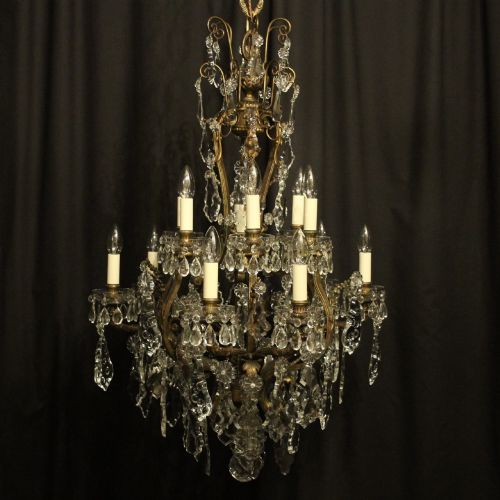
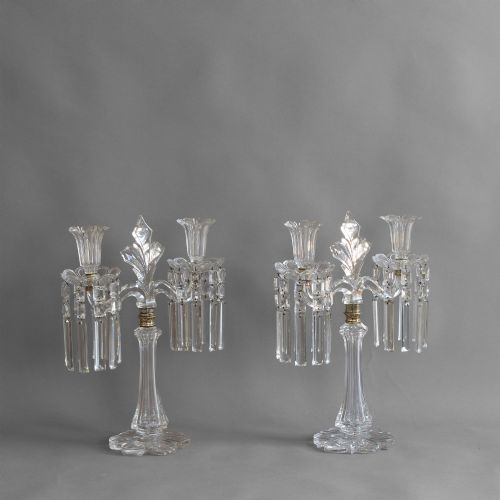
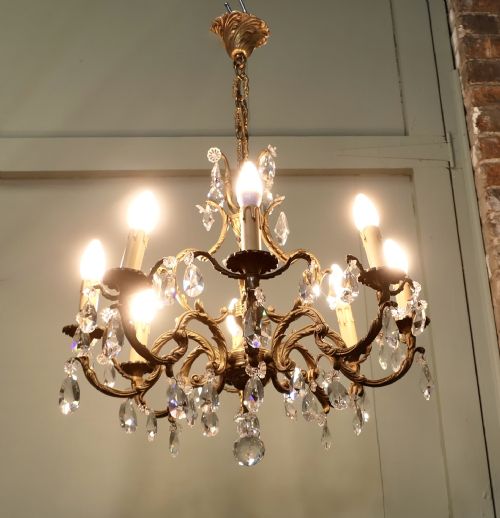
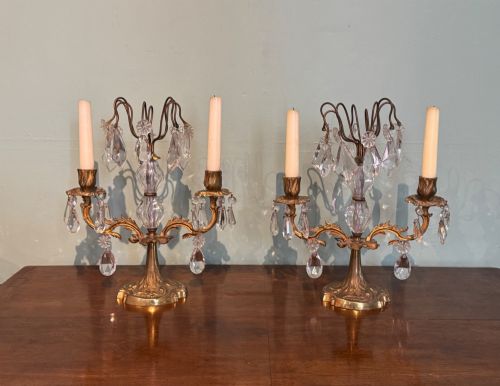


Brass Lustre Light
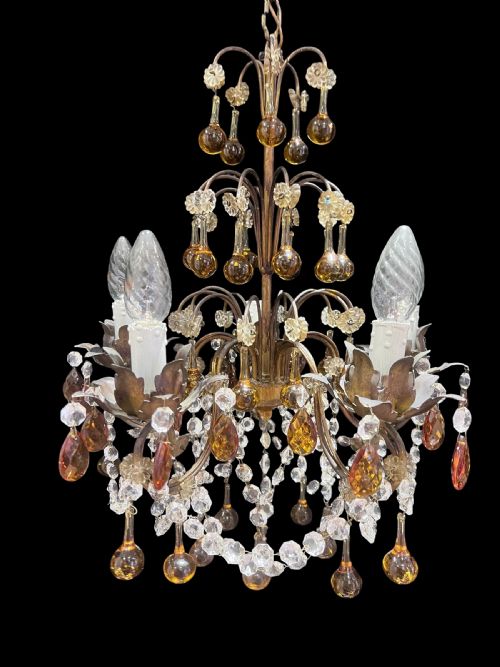
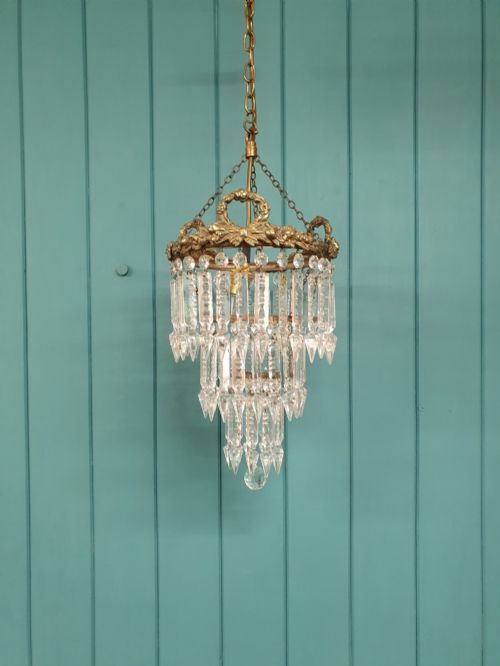
These brass lustre light fixtures combine polished metal frames with hanging glass drops, bringing brilliant reflection to any room.
Brass Lustre Light
A brass lustre light brings together metal frames and hanging glass components to catch and refract illumination.
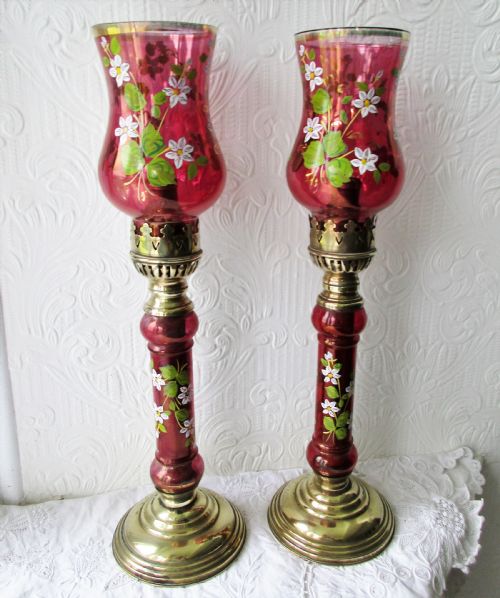
Buyers searching for a brass lustre light encounter chandeliers, wall lights, and tabletop candelabras originating from the nineteenth and early twentieth centuries.
The selections span English, French, and Italian workshops, displaying styles from Regency through Edwardian periods.
Materials and construction methods
Foundry workers cast brass, gilt bronze, and gilt metal into structural frames, arms, and candle holders.
Glassmakers shaped, cut, and polished crystal drops and prisms, hanging them from the metal frameworks with wire connections.
Materials documented across these listings include brass, cut glass, crystal, gilt bronze, and gilt metal.
Distinctions in quality and execution
Superior examples feature heavier cast metal frames with crisp detail and hand-cut crystal drops that retain sharp facets.
The integration of the hanging elements to the primary structure dictates the overall finish of the piece.
Clarkes Cut Glass And Brass
The Brass Lustre Light Glossary
- Lustre
- A candelabra or candlestick hung with cut glass drops designed to refract light.
- Cricklite
- A specific brand of trade-marked night-light or candle lamp utilising glass shades and brass bases.
- Ormolu
- Finely ground high-carat gold mercury-gilded onto a bronze or brass base metal object.
- Chandelier
- A branched ceiling-mounted lighting fixture designed to hold multiple candles or bulbs.
- Regency
- An English design period spanning the early nineteenth century characterised by classical restraint and rich materials.
Brass Lustre Light: Frequently Asked Questions
What is a brass lustre light?
A brass lustre light is a decorative lighting fixture or candle holder constructed from brass and adorned with cut glass drops. These hanging crystals enhance the visual output by scattering light across the room.
Such pieces range from large multi-armed chandeliers to smaller table candelabras and wall lights. They appear in styles stretching from the Regency era through the Edwardian period.
How were these lights used historically?
Originally designed to hold wax candles, these fixtures illuminated dining rooms, drawing rooms, and hallways. The polished brass and crystal drops maximised the limited candlelight available before electric illumination.
Table versions sat on sideboards or mantelpieces, while larger chandeliers hung centrally from ceilings. Many surviving examples have since been adapted for electrical wiring.
How do I clean a brass lustre light?
Cleaning requires removing the hanging glass drops individually to wash them in warm soapy water, ensuring they dry thoroughly before reattachment. The brass framework needs gentle dusting or cleaning with a non-abrasive metal cleaner suited to the specific finish.
Care prevents damage to the delicate wire connections holding the crystals and preserves gilt surfaces. Maintaining the glass ensures maximum brilliance when light passes through the cuts.
How can I tell the period of a piece?
Dating relies on stylistic clues, casting techniques, and the cut of the glass drops. Regency and Victorian items often show heavier classical influences, while Edwardian and 1930s pieces lean towards lighter proportions.
Examining the construction methods of the brass frame and the attachment style of the lustres provides further chronological context.