



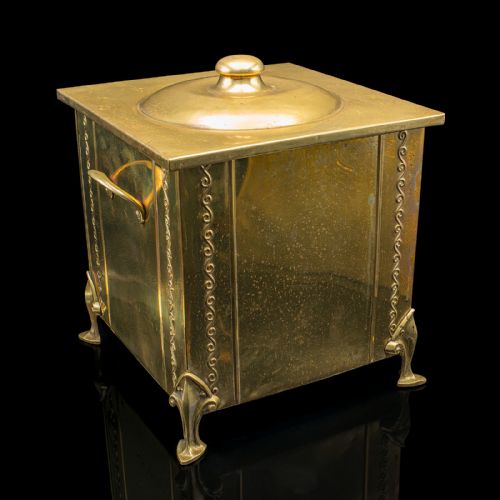

Brass Log Store Container
A brass log store container is a sturdy hearth vessel for fuel, and these pieces bring a gleam of polished metal and rich timber to the fireside.
Brass Log Store Container
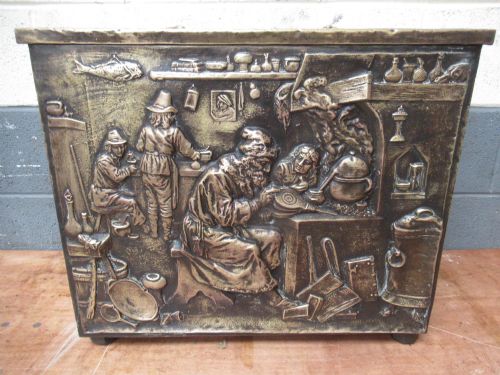
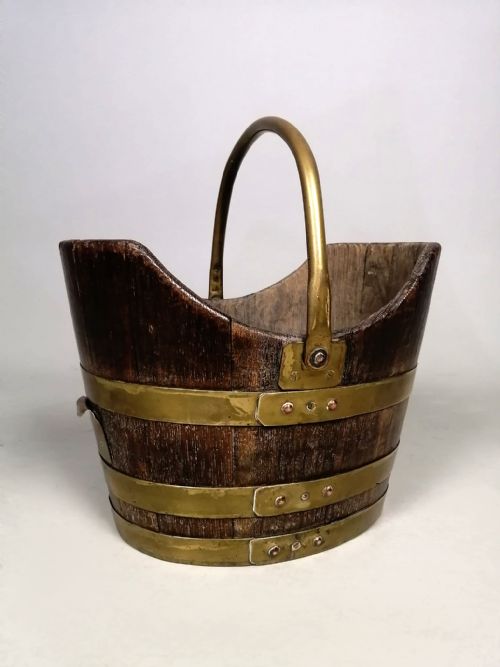
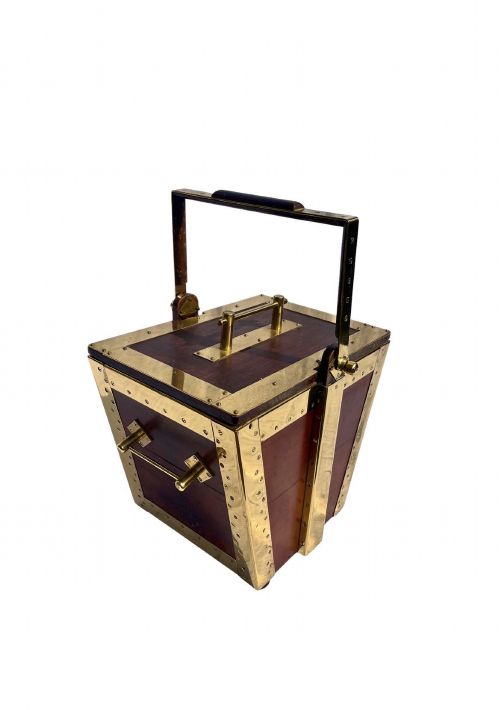
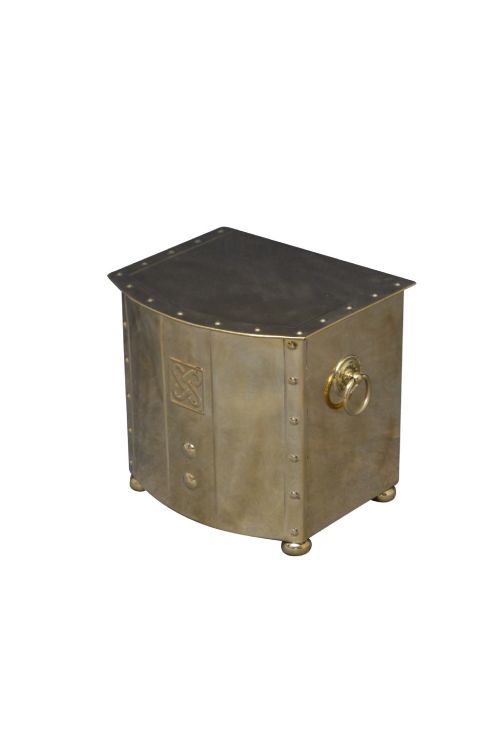
A brass log store container is a functional fireside vessel designed to hold fuel near the hearth, appearing in forms ranging from circular buckets and lidded scuttles to rectangular boxes. When searching for this phrase, buyers encounter pieces spanning the eighteenth century through to the interwar period, with Victorian examples appearing frequently.
The materials vary beyond simple sheet metal, often combining solid brass or copper with oak, mahogany, or walnut bodies, sometimes featuring iron fittings or coopered construction. Styles stretch from Georgian and Regency classics to Arts and Crafts, Art Nouveau, and Edwardian designs, alongside occasional French provincial and folk art toleware pieces.
Materials and construction
Metalworking techniques shape these vessels through hand-beating, riveting, and brass banding, utilising sheet copper and brass joined to sturdy wooden staves or internal metal liners. Coopered timber buckets rely on tight wooden staves bound by metal hoops, while sheet metal boxes employ visible rivets and soldered seams to achieve rigid forms.
Woodwork involves timbers such as oak, mahogany, and walnut, frequently shaped through carving, inlay work, or turned feet. Handles and lion mask mountings are typically cast in brass and secured with bolts or rivets.
Some humble coal bins started life carrying fuel on English canals before finding a second act holding logs by the hearth.
Quality and craftsmanship
Quality rests in the weight of the metal, the integrity of the joints, and the crispness of any decorative chasing or brass banding. Superior examples display heavy-gauge copper or brass, secure riveting, and sound timber construction that withstands the heavy daily load of logs and coal.
The finesse of secondary details distinguishes finer items, such as well-turned wooden handles, carefully fitted lids, and robust internal metal liners. Inferior pieces may show loose bands, thin sheet metal prone to denting, or poorly fitted replacement hardware.
The Brass Log Store Container Glossary
- Coopered
- Built from vertical wooden staves fitted together and held tightly by metal bands, much like a traditional cask or barrel. This method provides immense structural strength for holding heavy loads of timber.
- Coal scuttle
- A container specifically designed for carrying and storing coal, often featuring a hinged lid and a handle for tipping fuel onto the fire.
- Toleware
- Tin-plated metalware that has been painted or lacquered, frequently decorated with folk art designs or motifs.
- Barge wear
- Highly decorated metal or wooden items associated with canal boats, often featuring vibrant traditional painted patterns.
- Planter
- A vessel adapted or originally intended for holding potted plants, sharing similar watertight forms with metal buckets and bins.
Brass Log Store Container: Frequently Asked Questions
What is a brass log store container used for?
These vessels are designed to store firewood, kindling, or coal neatly beside an active fireplace. They keep fuel accessible while containing bark, dirt, and debris within a solid metal or lined wooden enclosure.
Beyond simple utility, they serve as decorative fireside furnishings that introduce polished metal surfaces and traditional craftsmanship into a room. Their closed forms also help conceal messy fuel when not actively tending the hearth.
Are these containers waterproof?
Many metal buckets and bins feature watertight copper or brass bodies designed to hold damp logs without leaking moisture onto the floor. However, older wooden coopered vessels may rely on internal metal liners to contain moisture and prevent the timber from warping.
It remains wise to check the interior condition before placing wet wood directly inside any unlined wooden box. Placing a protective mat beneath the container offers extra security for sensitive flooring.
How can I tell a Victorian piece from an Edwardian one?
Victorian examples often favour heavy brass banding, riveted copper, and robust utilitarian forms designed for coal storage. They frequently display darker woods like oak or walnut alongside substantial cast brass handles.
Edwardian pieces sometimes introduce lighter mahogany timbers, delicate inlay work, and refined decorative styling suited to more polished drawing rooms. Art Nouveau and Arts and Crafts influences also start appearing more prominently around the turn of the twentieth century.