

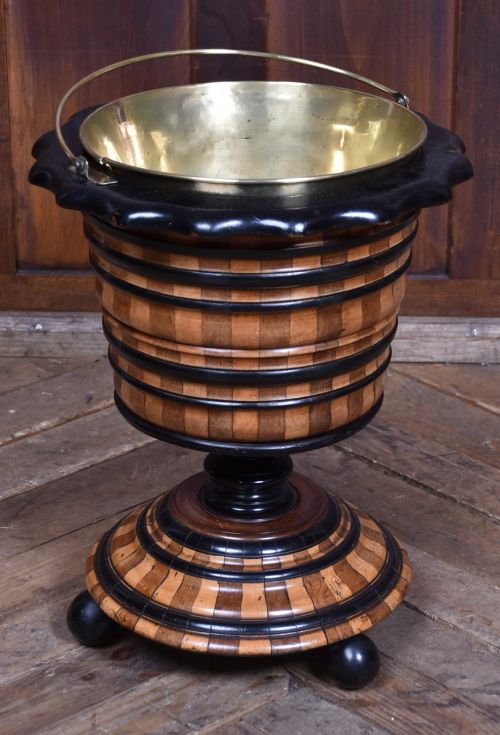


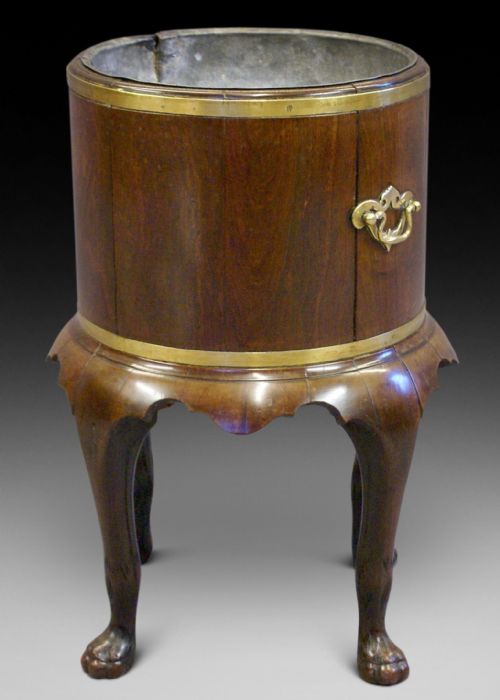

Brass Lined Wine Bucket
A brass lined wine bucket is a functional vessel designed to hold bottles and ice, prized for its gleaming metal interior and rich timber construction.
Brass Lined Wine Bucket
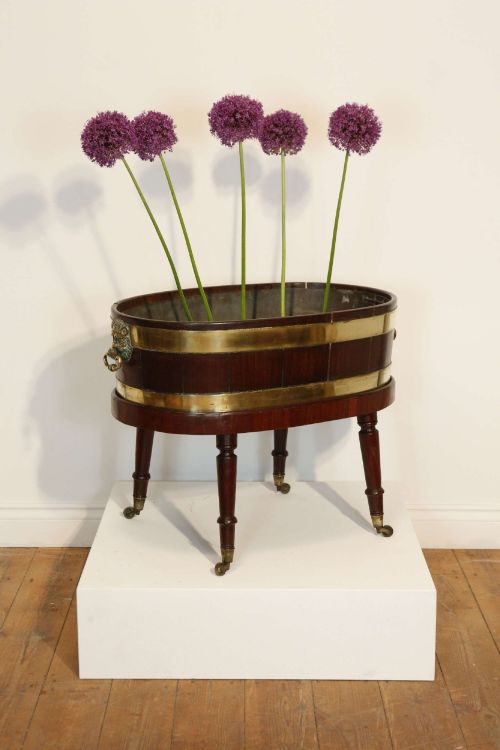
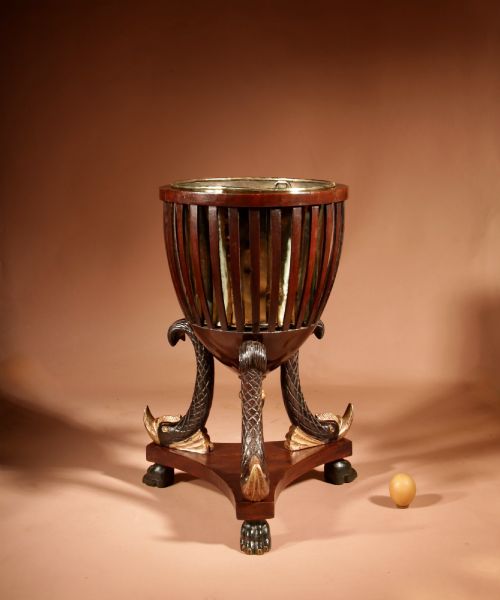
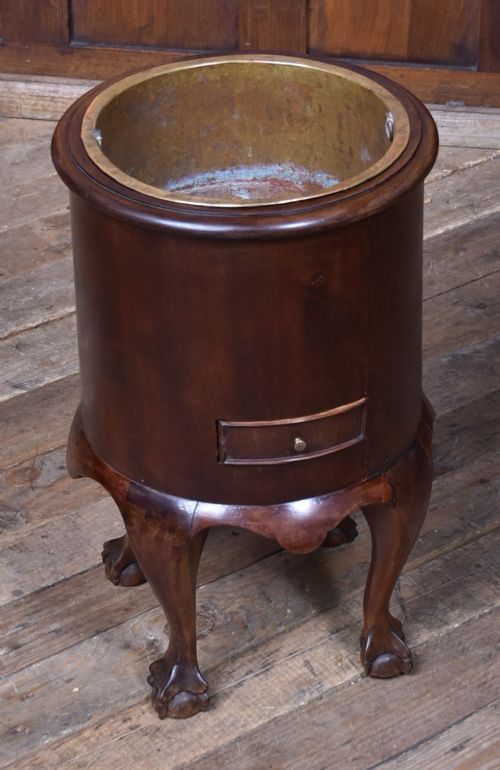
When you search for a brass lined wine bucket, you encounter a selection of serving vessels and jardinières fashioned primarily during the eighteenth and nineteenth centuries. These pieces were built to chill wine or hold peat and plants, serving both practical and decorative functions in formal dining rooms.
Makers adapted these vessels into various forms, including elliptical buckets and miniature jardinieres influenced by Dutch and French Empire styles. The internal metal lining served to protect the surrounding timber from moisture and ice during use.
How they were made
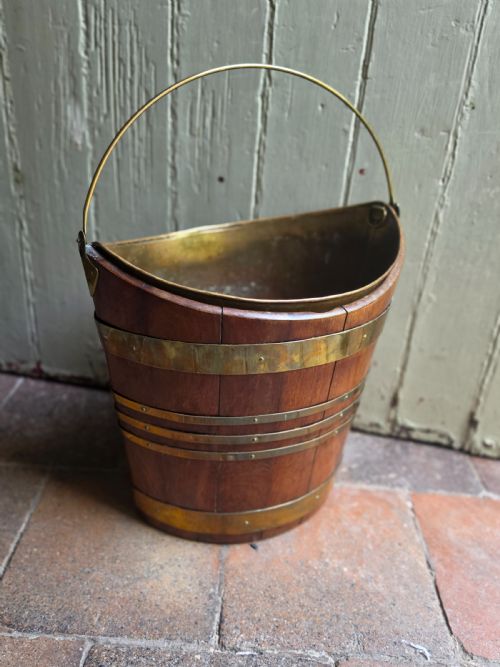
Cabinetmakers constructed these buckets using sturdy hardwoods like mahogany, walnut, and mixed hardwoods, frequently employing cooperage techniques similar to barrel-making. Staves of timber were shaped and fitted together closely, then secured by tight metal bands.
A protective metal liner, typically formed from brass or zinc, was inserted into the wooden body to hold ice and liquid safely. Artisans added decorative elements such as inlaid satinwood, ebonised wood, and brass mountings to enhance the appearance of the piece.
Brass Lined Wine Bucket Retail Price Guide 2026
Typical asking prices for brass lined wine bucket among the pieces listed under this phrase on Sellingantiques today, from the lower quarter to the upper quarter. They describe what is for sale here now, not the wider market.
Materials documented across the collection include brass, zinc, mahogany, walnut, satinwood, ebony, and ebonised wood.
What varies in quality
The distinction between ordinary examples and finer pieces rests on the choice of timber and the precision of the cooperage. Superior vessels display carefully selected grain patterns, tight stave joints, and well-integrated brass work that follows the contours of the wood seamlessly.
Proportion and decorative restraint further separate the range, as pieces with balanced dimensions and subtle inlay command greater appreciation. The integrity of the internal metal liner and the survival of original mounts also influence the standing of an individual bucket.
The Brass Lined Wine Bucket Glossary
- Coopered
- Made with curved staves of wood fitted together side by side and bound by metal hoops, much like a traditional barrel. This technique provided the structural strength required for holding liquids and ice.
- Cellarette
- A lockable container used to store wine bottles securely in the dining room before serving. They frequently featured internal divisions and metal linings to manage ice and temperature.
- Jardiniere
- An ornamental pot or stand designed to hold growing plants or flowers. In these listings, many share the timber construction and brass lining characteristic of wine buckets.
- Tea stove
- A small portable heating vessel, sometimes referred to as a teestoof, used to keep teapots warm. These items often share forms and materials with contemporary peat buckets and small planters.
- Oyster bucket
- A deep wooden vessel traditionally used for serving or storing oysters, constructed with staves and metal bands. Their robust build resembles that of wine coolers.
Brass Lined Wine Bucket: Frequently Asked Questions
What is a brass lined wine bucket used for?
These vessels were originally manufactured to hold wine bottles alongside ice to keep drinks chilled during dining. They also served alternative domestic roles, functioning as containers for peat, tea equipment, or plants.
The waterproof metal interior protected the exterior wooden staves from dampness and water damage. Today, owners utilise them as wine coolers, planters, or decorative decorative items in reception rooms.
How do I date a mahogany wine bucket?
Dating relies upon examining the timber grain, construction methods, and prevailing style of the period. Georgian and Regency pieces often exhibit distinct brass binding, bracket feet, and hand-cut joinery.
Later Victorian and revival examples display different proportions and machine-assisted construction techniques. Comparing the hardware and internal lining style helps narrow the decade of manufacture.
Are these buckets waterproof?
The internal brass or zinc lining was designed to hold ice and water for chilling wine during meals. Over centuries of use, soldered seams or metal components can develop minor wear.
It is advisable to test the liner carefully before placing water or ice inside an antique vessel. Many modern owners prefer to use a hidden inner plastic container for safety when holding live plants.
What timber was used for these pieces?
Cabinetmakers predominantly selected dense hardwoods such as mahogany and walnut for their durability and rich colour. Some examples incorporate satinwood, ebony, and mixed hardwoods for decorative contrast and inlay work.
The exterior timber was often polished to a high sheen, highlighting the natural grain of the wood against the metal bands.