




Brass Inlaid Wooden Tray
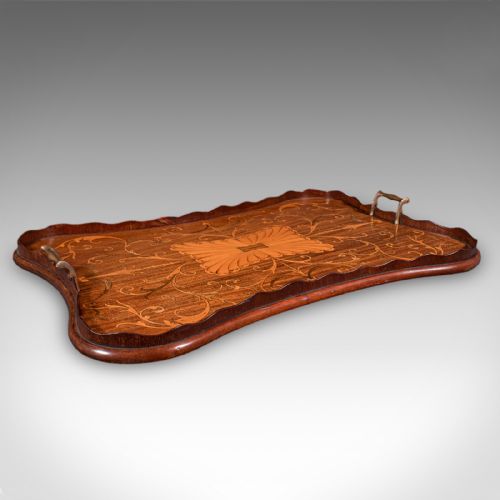
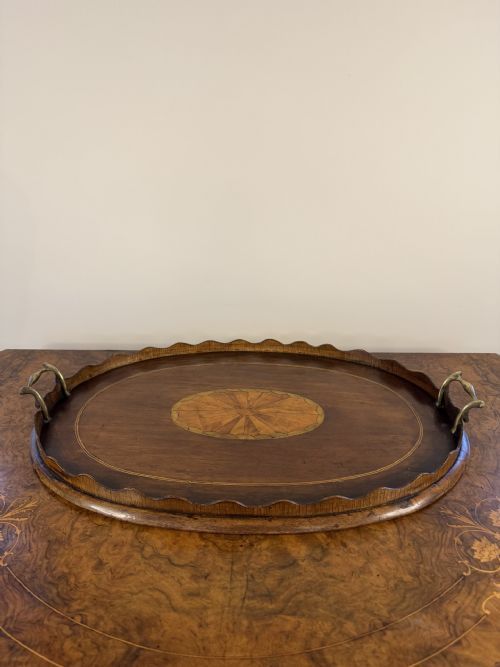
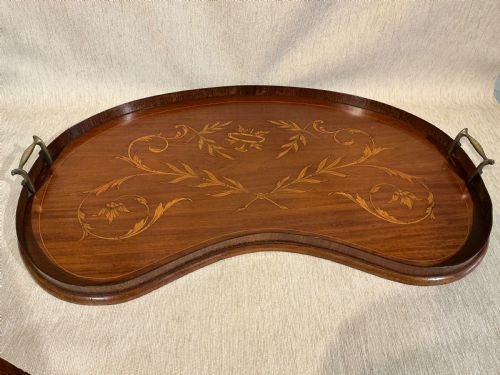
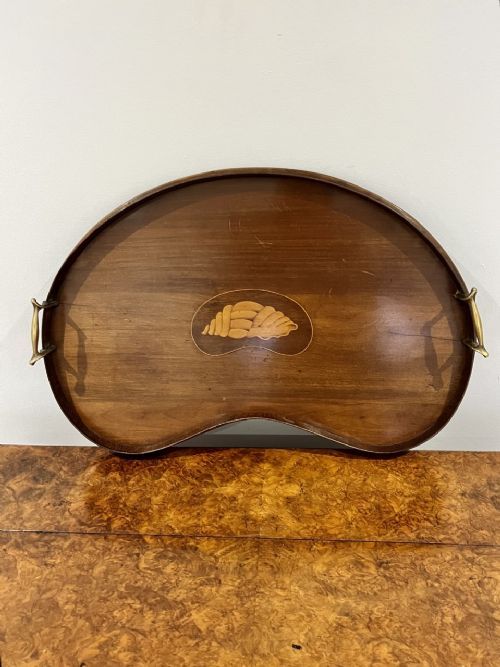
A brass inlaid wooden tray combines rich timber and bright metalwork, offering a practical serving piece that brings period elegance to any room.
Brass Inlaid Wooden Tray
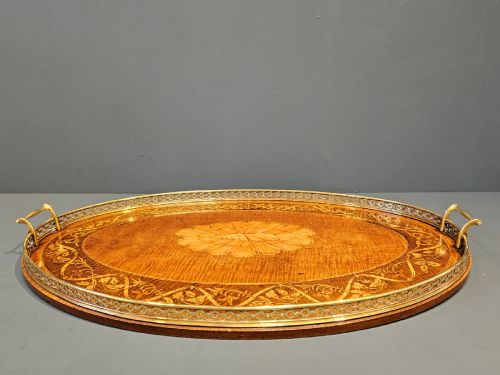
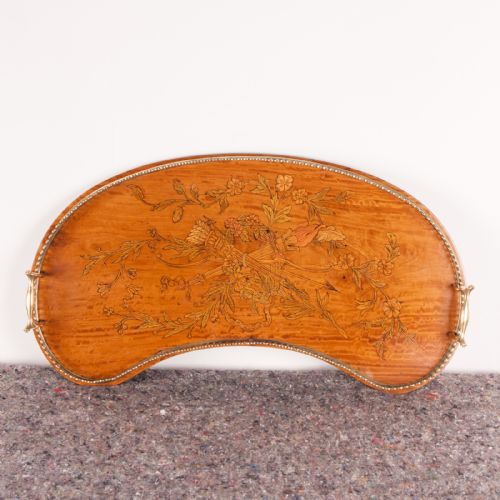
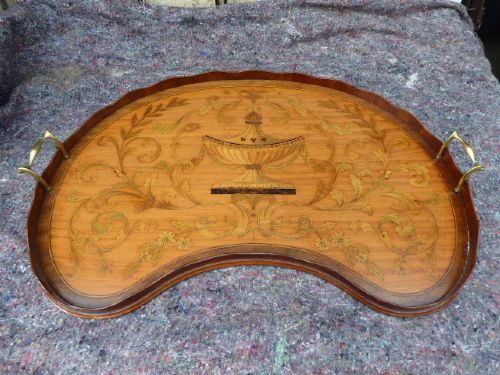
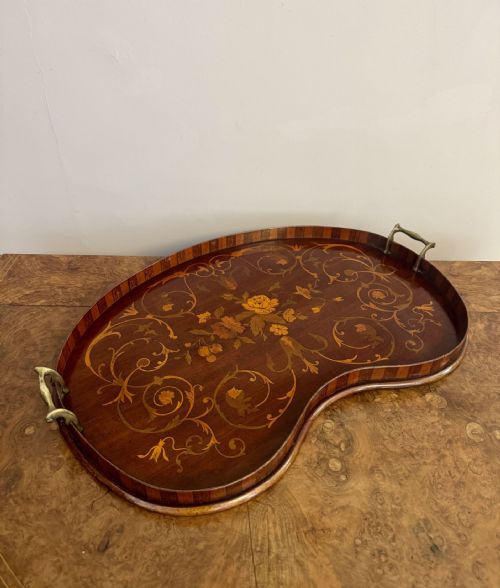
When you search for a brass inlaid wooden tray, you encounter items designed for serving tea, displaying objects, or resting on stands as occasional tables. The pieces on this page span the Georgian, Victorian, and Edwardian eras, reflecting changing domestic fashions across more than a century of craftsmanship.
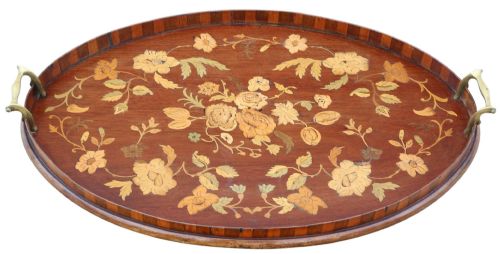
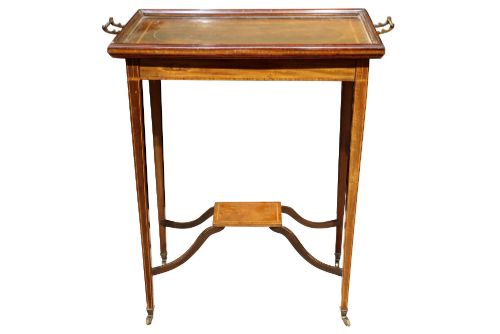
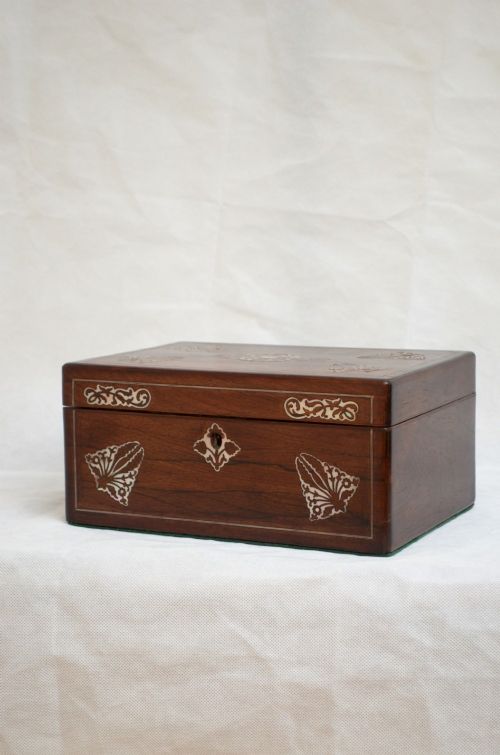
The most common form you will meet is the oval or kidney-shaped serving tray constructed from mahogany or satinwood, often featuring delicate stringing or marquetry alongside metal elements. Alongside traditional serving platters, the selection includes related desk accessories and tables incorporating removable trays.
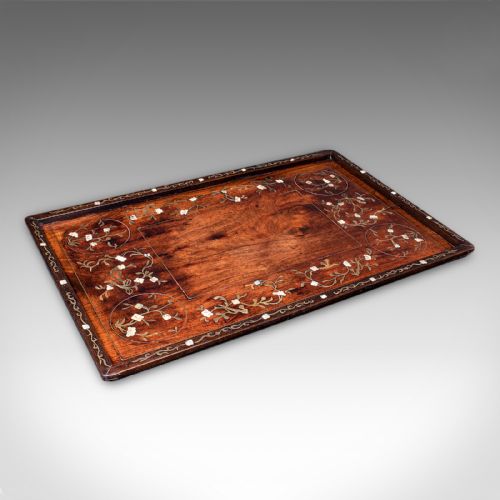
Origins range from English workshops to Anglo-Indian productions, showcasing varied regional preferences in timber selection and decorative motifs. Whether configured as a tea tray or mounted on a side table, each object demonstrates the enduring utility of decorative turned and inlaid wood.
Materials and construction methods
Cabinetmakers built these trays using dense, stable hardwoods such as mahogany, rosewood, coromandel, and satinwood, often selecting figured veneers to create striking visual patterns on the surface. Trays frequently incorporate marquetry inlay alongside brass stringing, mounts, or galleries to frame the timber.
Makers cut precise channels into the wooden base to embed flat brass wire or cast brass handles securely flush with the surface. Finishing involved hand-polishing the timber with oils or shellac to protect the wood and highlight the contrast between the dark or golden grain and the polished metal.
The selection includes Edwardian, Victorian, and Georgian eras, alongside revival styles such as Sheraton, Neoclassical, and Anglo-Indian designs.
Distinctions in quality
Quality rests in the precision of the cabinetwork and the intricacy of the inlay, where tighter joints and crisper botanical or geometric motifs distinguish finer examples from standard production. The weight and gauge of the brass elements, from delicate inlaid lines to structural galleries, signal the investment made in the piece.
The choice of timber underpins the overall grade, with highly figured satinwood, burr yew, or well-figured mahogany commanding greater attention than plain or secondary woods. Original patination and the survival of crisp marquetry without excessive restoration maintain the integrity and standing of the piece.
Edwards and Roberts
The Brass Inlaid Wooden Tray Glossary
- Marquetry
- The art of applying decorative pieces of veneer to a structure to form ornamental designs. Artisans cut various woods to fit together precisely before gluing them to the tray base.
- Satinwood
- A durable, lustrous timber native to India and Sri Lanka, known for its golden-yellow colour and reflective grain. It frequently serves as the primary ground for detailed inlay work.
- Gallery
- A raised decorative border or railing fitted around the edge of a tray to prevent items from sliding off. These fixtures often combine pierced brass or carved wood.
- Stringing
- A narrow strip of contrasting wood or metal inlaid into a shallow groove on the surface of furniture or trays. It creates fine border lines that define panels and edges.
Brass Inlaid Wooden Tray: Frequently Asked Questions
How were serving trays used historically?
These trays served primarily during afternoon tea rituals to carry cups, teapots, and biscuits from the kitchen to the parlour. Butler's trays provided a portable surface for entertaining guests.
Over time, many trays transitioned from utilitarian dining service to decorative display pieces placed on stands, tables, or sideboards within the home.
How do I care for a wooden tray?
Keep wooden trays away from direct sunlight and extreme temperature fluctuations to prevent the timber and veneers from drying out or splitting. Dust the surface regularly with a soft, dry cloth.
Avoid using harsh chemical polishes or placing wet items directly onto the antique wood for extended periods. Applying a quality furniture wax periodically helps maintain the sheen of the polish.
Can I use an antique tray for serving food?
While these items were built for serving afternoon tea, most antique trays feature delicate veneers and aged finishes that benefit from light handling rather than heavy daily use. Moisture and heat can damage fragile inlay and historic polish.
If you choose to use one for serving, line the tray with a cloth or use it for dry items to protect the delicate surface from spills and scratches.
How do I distinguish Edwardian trays from Victorian ones?
Victorian trays often showcase darker timbers like mahogany and rosewood, paired with robust brass mounts and deep, heavy mouldings. The construction reflects the heavier, formal aesthetic of the nineteenth century.
Edwardian pieces frequently utilise lighter satinwood, burr yew, and delicate marquetry in the Sheraton Revival style, reflecting a preference for airier, neoclassical designs around the turn of the twentieth century.