







Brass Hardware Furniture
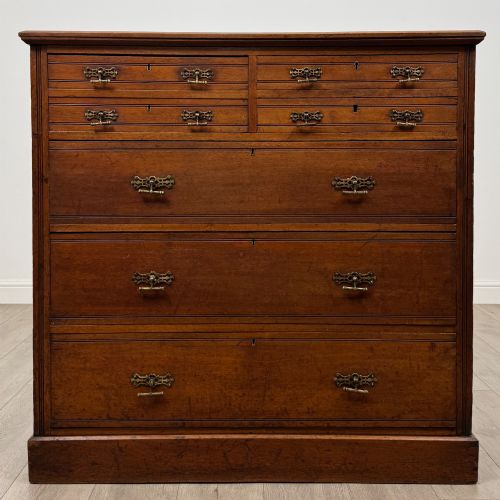
Brass hardware furniture brings together functional metal fittings and timber storage pieces, ranging from Victorian door knobs to Georgian walnut chests.
Brass Hardware Furniture
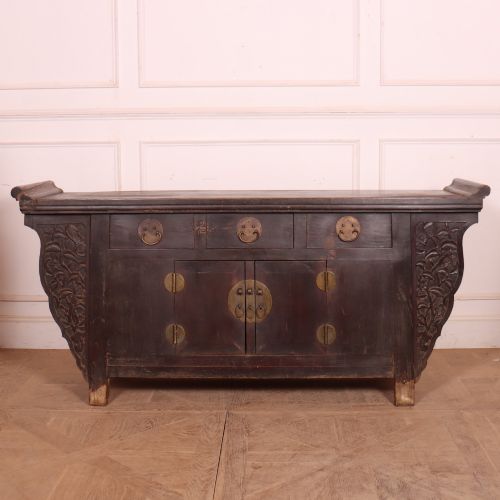
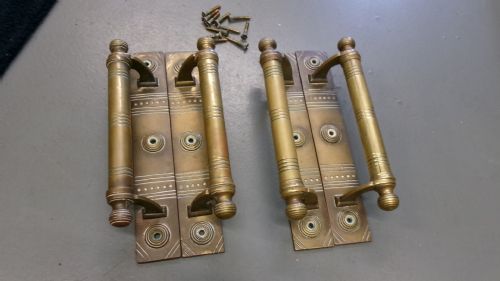
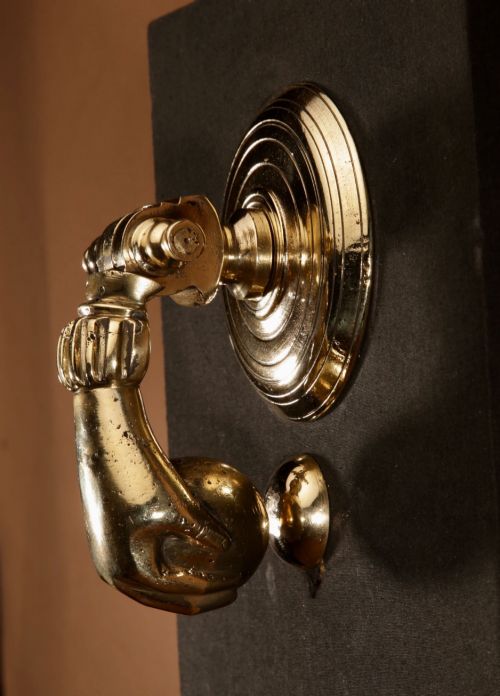
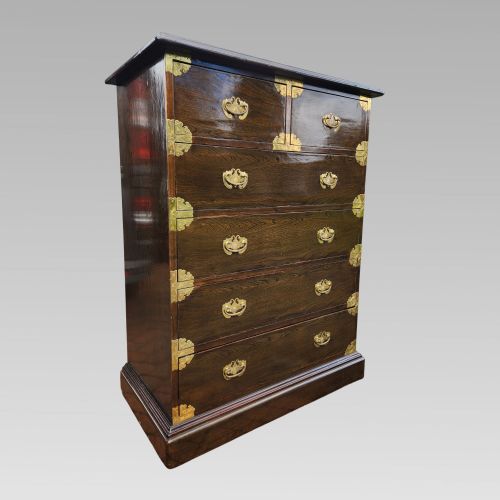
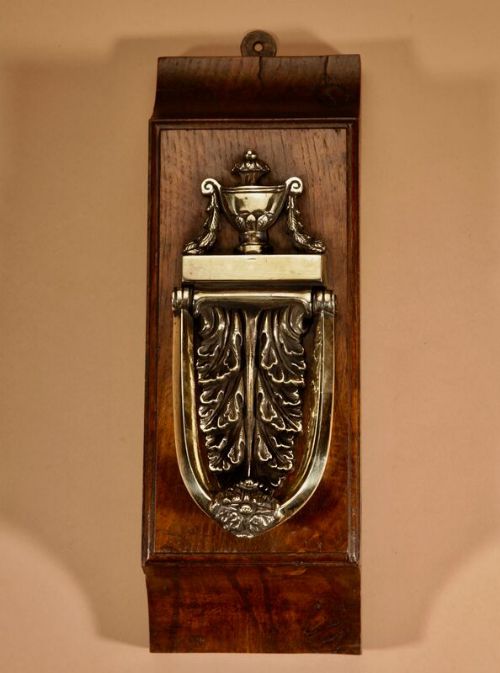
Brass hardware furniture encompasses a diverse selection of items, spanning door furniture such as handles, knockers, and finger plates, alongside cabinetry including chests of drawers and sideboards. When exploring brass hardware furniture, one encounters practical architectural fittings and fitted or standalone timber storage pieces alike.
The objects originate from various periods including the Georgian, Regency, Victorian, and Edwardian eras, with additional examples from the 18th, 19th, and early 20th centuries. Pieces frequently incorporate brass, bronze, and cast brass elements fixed to wooden carcases like elm, walnut, oak, and camphor wood.
Materials and construction methods
Makers utilised durable metals such as brass and bronze for cast architectural components, door knockers, and decorative handles. These metal fittings were paired with timber bodies constructed from elm, walnut, oak, camphor wood, and red lacquer.
Joinery techniques on the storage pieces involved traditional drawer construction and cabinetmaking methods suited to hardwoods and veneers. Metal elements often relied on casting, engraving, and turning, seen clearly in pieces like beehive door knobs and gilt brass mounts.
Brass Hardware Furniture Retail Price Guide 2026
Typical asking prices for brass hardware furniture among the pieces listed under this phrase on Sellingantiques today, from the lower quarter to the upper quarter. They describe what is for sale here now, not the wider market.
Assessing quality and execution
Quality in these pieces depends upon the crispness of the metal casting and the depth of hand-finishing on handles, knobs, and knockers. Finer architectural hardware displays sharp detailing, well-defined turning, and substantial weight in the solid brass or bronze.
On cabinetry, the standard of timber selection, such as burr elm veneer or figured walnut, dictates the visual appeal alongside the integration of original metal mounts and galleries. Superior examples maintain cohesion between the metal fittings and the underlying wooden structure.
Jas Shoolbred
The Brass Hardware Furniture Glossary
- Brass
- An alloy of copper and zinc used extensively for door knobs, knockers, hinges, and furniture mounts throughout the Georgian, Victorian, and later periods. It provides a durable surface that develops a rich patina over time.
- Beehive door knob
- A turned metal or wooden door knob characterised by a series of concentric stepped rings resembling a traditional beehive. This design is particularly prevalent in Victorian brass hardware.
- Campaign chest
- A portable chest of drawers, often constructed in sections from camphor wood or other hardwoods and fitted with recessed brass handles and corner brackets. Designed for military use, it disassembles for travel.
- Finger plate
- A flat metal plate attached to a door adjacent to the handle to protect the timber or paintwork from hand marks. These plates frequently exhibit Arts and Crafts, Art Nouveau, or Victorian decorative motifs.
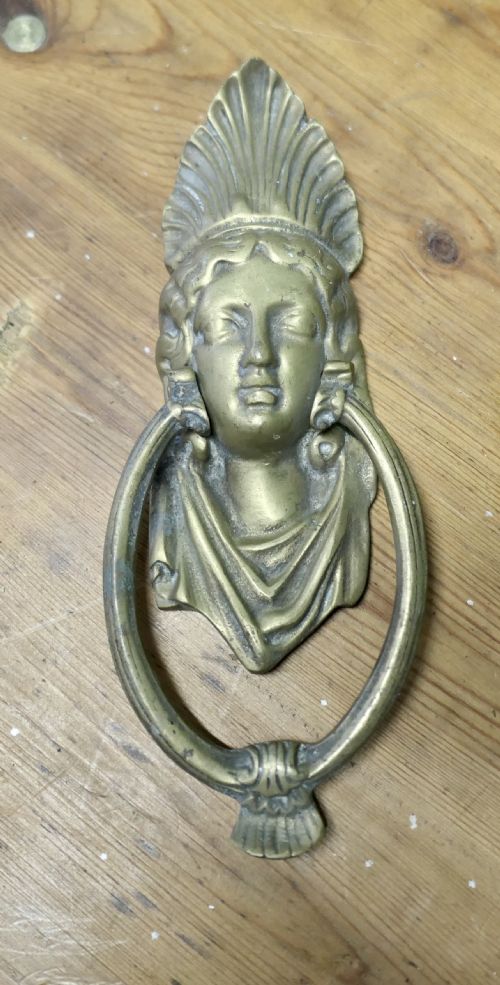
- Caryatid
- A sculpted female figure used as an architectural support in place of a column or pilaster. On door knockers, the figure forms the striking element or mounting bracket.
Brass Hardware Furniture: Frequently Asked Questions
What periods do these pieces represent?
The selection includes items from the Georgian, Regency, Victorian, Edwardian, and early twentieth-century periods. These eras span centuries of domestic design and metalworking traditions.
Craftsmanship evolved across these periods, shifting from eighteenth-century cabinetmaking to mass-produced Victorian architectural hardware and Arts and Crafts metalwork.
How were brass door knobs mounted?
Door knobs were typically secured using spindles running through the door mortise, anchored by grub screws or threaded collars. Centre door knobs were surface-mounted through the door leaf.
Matching backplates or finger plates often accompanied these knobs to distribute pressure and protect the surrounding wood or paint.
What timbers appear in these cabinets?
Cabinets and chests utilise hardwoods such as oak, walnut, elm, burr elm veneer, and camphor wood. These timbers provided the structural strength required for heavy storage furniture.
Each wood type brings distinct grain patterns and colour variations, which complement the polished brass and bronze hardware attached to them.
How do I care for antique brass?
Antique brass benefits from gentle dusting and occasional cleaning with a soft cloth to preserve its historic surface. Avoid harsh chemical polishes that strip away desirable age-related patination.
Maintaining a stable indoor humidity level also protects the underlying wooden furniture bodies and prevents metal fittings from loosening.