

Brass Handled Drawers
Brass handled drawers bring tactile warmth and enduring utility to any room, anchoring a space with period character and practical storage.
Brass Handled Drawers
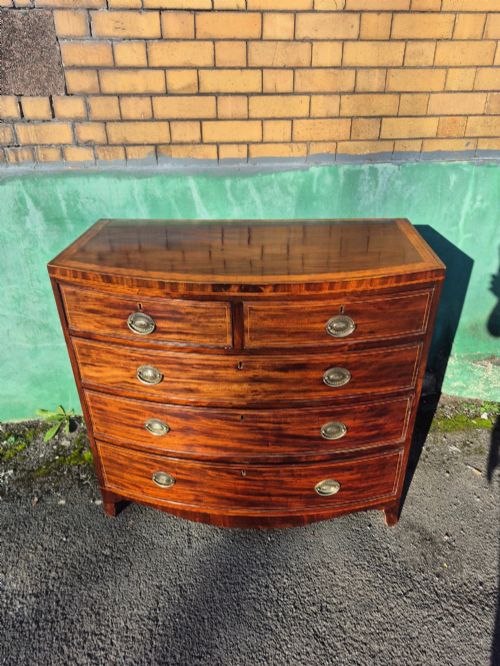
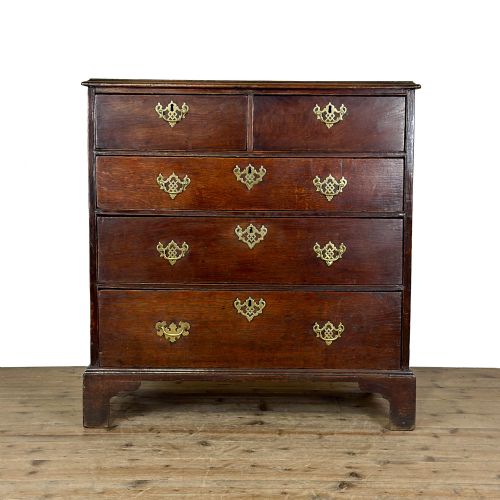
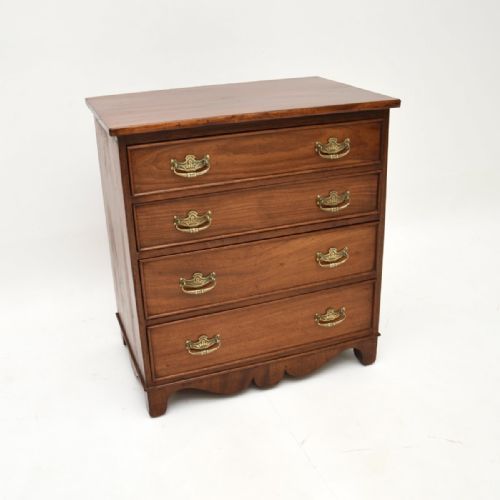
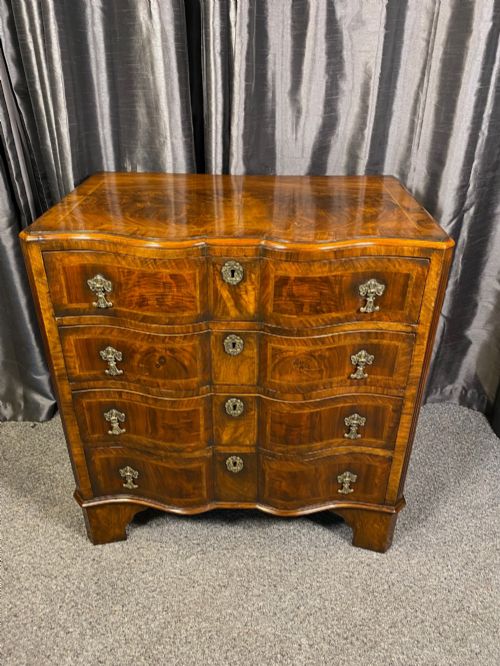
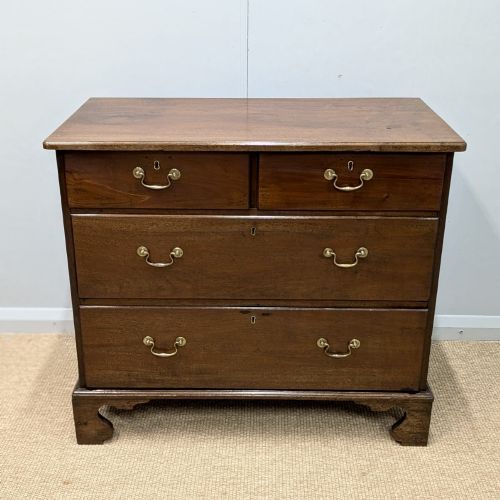
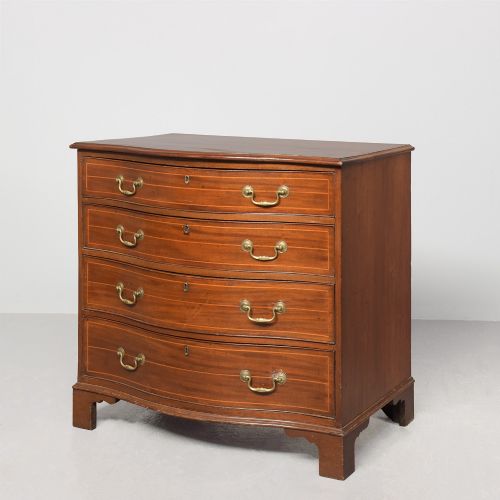
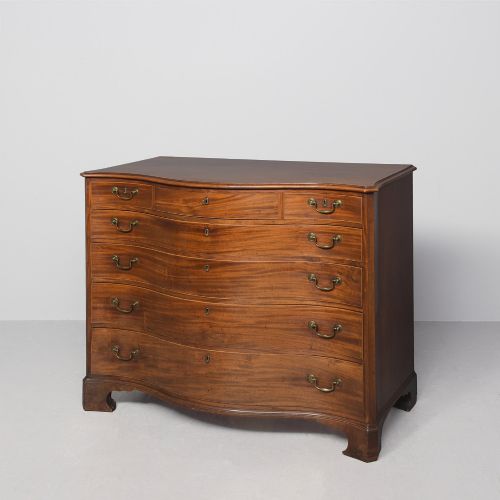
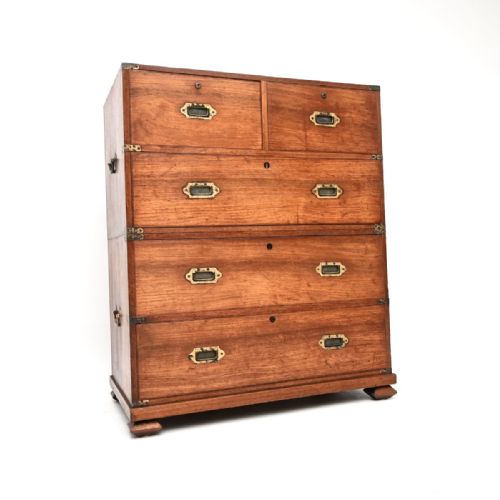
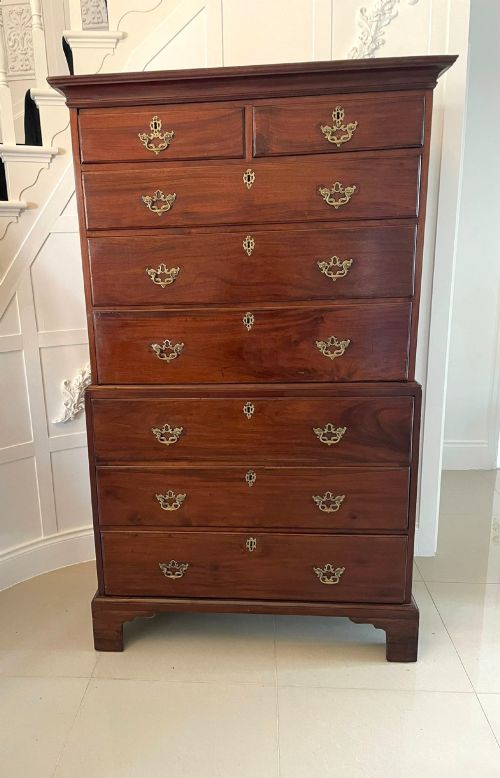
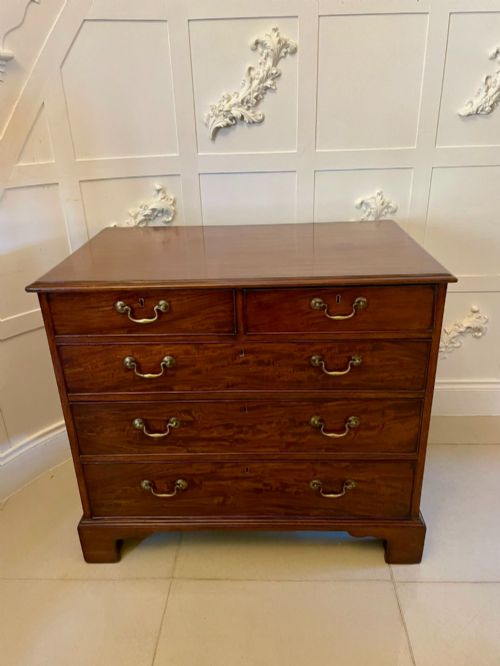
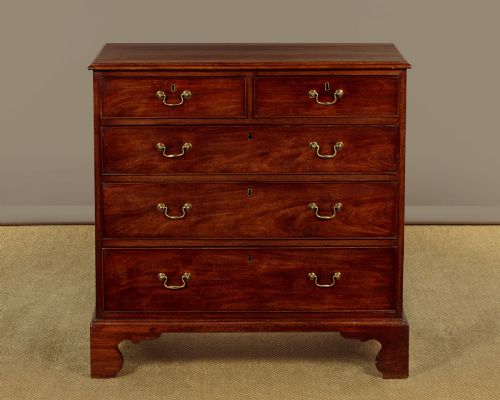
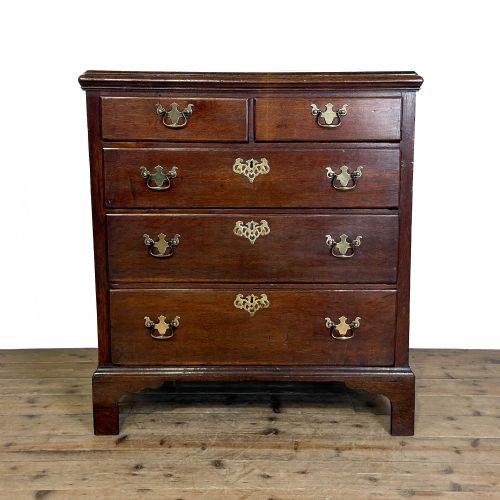
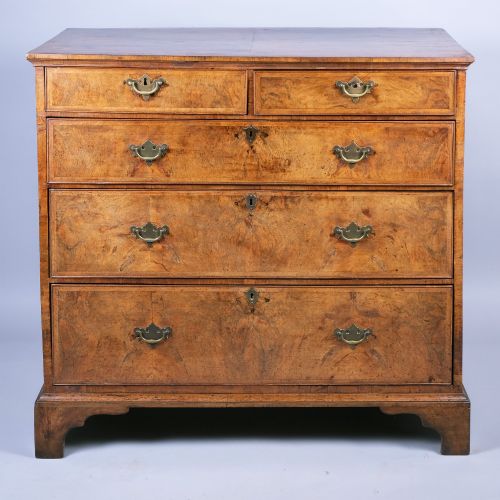
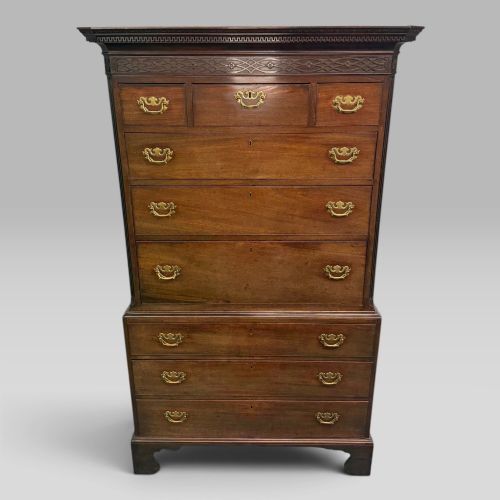
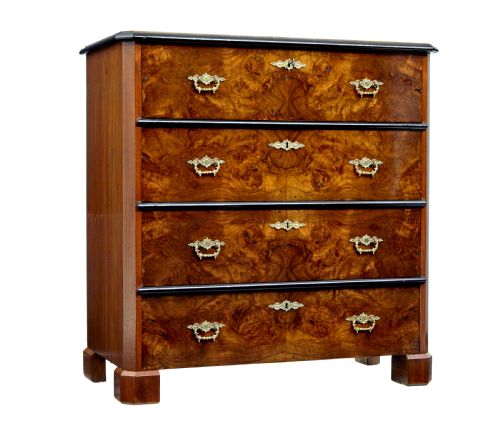
Brass handled drawers encompass a variety of case furniture designed for storage, most frequently appearing as chests of drawers, military campaign chests, and commodes from the Georgian, Victorian, and Edwardian periods. Buyers searching for brass handled drawers encounter solid oak, mahogany, and walnut pieces that range from compact side tables and writing desks to tall chests on chests.
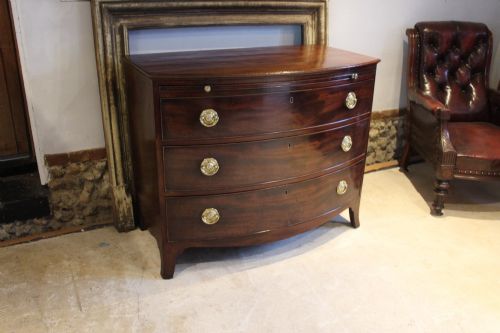
The version most commonly met on this page is the mahogany chest of drawers from the Georgian or Victorian eras, often featuring brass drop handles, ring pulls, or recessed campaign fittings. These pieces span centuries of cabinet making, including Queen Anne styles, bow front formats, and functional vertical filing cabinets.
How they were made
Cabinet makers utilised dense hardwoods such as mahogany, oak, and walnut, frequently incorporating burr walnut, satin birch, and satinwood veneers for visual depth. Construction relied on traditional joinery techniques, paired with boxwood inlay and contrasting stringing to accentuate the drawer fronts and borders.
Hardware was cast or stamped from brass, secured with pins or screws to withstand daily use. Campaign pieces integrated flush brass handles and corner brackets to protect the timber during transport.
Brass Handled Drawers Retail Price Guide 2026
Typical asking prices for brass handled drawers among the pieces listed under this phrase on Sellingantiques today, from the lower quarter to the upper quarter. They describe what is for sale here now, not the wider market.
Listings feature woods spanning mahogany, oak, walnut, burr walnut, satin birch, and camphor wood.
What varies in quality
The standard of timber selection and grain matching separates standard production from superior examples. Master makers chose richly figured mahogany, burl walnut, and quarter sawn oak, aligning the grain patterns across successive drawer fronts for a unified appearance.
Proportion, decorative restraint, and the integration of original hardware dictate the standing of a piece. Finer examples display meticulous inlay work, well formed bracket or cabriole feet, and secondary timbers consistent with the stated period.
The Brass Handled Drawers Glossary
- Campaign chest
- A portable form of furniture made in sections with recessed brass handles and corner brackets, designed for military officers on the move.
- Bow front
- A convex curved front facade popular in Georgian and later cabinet making, which softens the linear profile of a chest.
- Lowboy
- A small side table with one or more rows of drawers, supported on four legs, originating in the late 17th century.
- Brushing slide
- A pull out wooden shelf fitted above the top drawer of a chest, used originally for folding clothes or writing.
- Stringing
- A narrow strip of contrasting wood inlaid into the surface veneer to form decorative borders.
Brass Handled Drawers: Frequently Asked Questions
How do I date a chest of drawers?
Dating relies on examining the construction methods, timber choices, and hardware styles visible on the piece. Secondary woods inside the drawers and the style of the dovetail joints provide reliable clues to the era of manufacture.
Changes in handle design and foot style from the Georgian to the Edwardian period also help narrow down the decade in which the cabinet was built.
What is a military campaign chest?
A military campaign chest is a piece of modular storage furniture designed to separate into two or more stacked sections for easy transport. They incorporate flush brass handles and reinforced corners to endure travel.
These chests use durable timbers like mahogany, camphor wood, or teak to withstand varying climates.
Where should I place a bow front chest?
A bow front chest works well in a bedroom, hallway, or living room where its curved profile softens rigid architectural lines. Because the front projects outward, ensure adequate clearance in tighter walkways.
The finished top surface also provides a practical display area for lamps, mirrors, or decorative objects.
How do I care for antique wood furniture?
Antique wood benefits from stable indoor humidity and protection from direct sunlight, which can fade polished mahogany and walnut surfaces. Regular dusting with a soft, dry cloth preserves the finish without building up residue.
Period wax applied sparingly once or twice a year nourishes the timber and maintains a natural lustre.