



Brass Handle Copper Container
A brass handle copper container brings warmth and utilitarian grace to a room, serving as a robust vessel for hearth fuel or foliage.
Brass Handle Copper Container
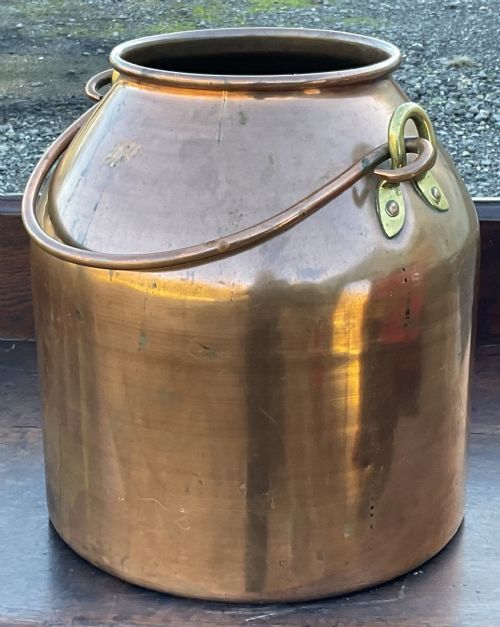
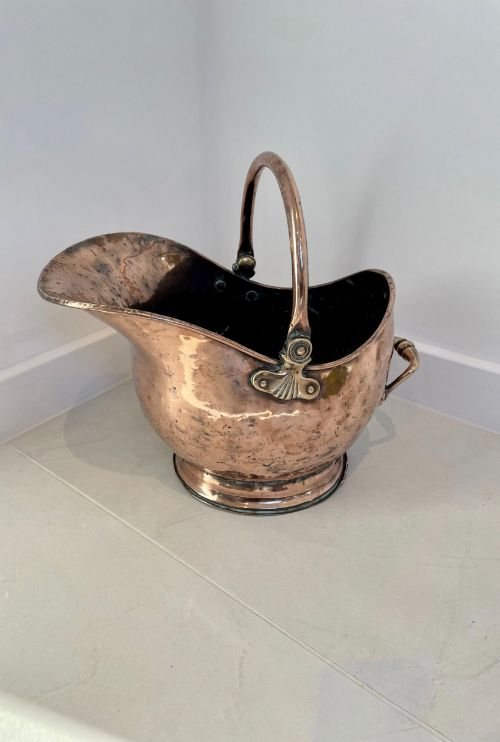
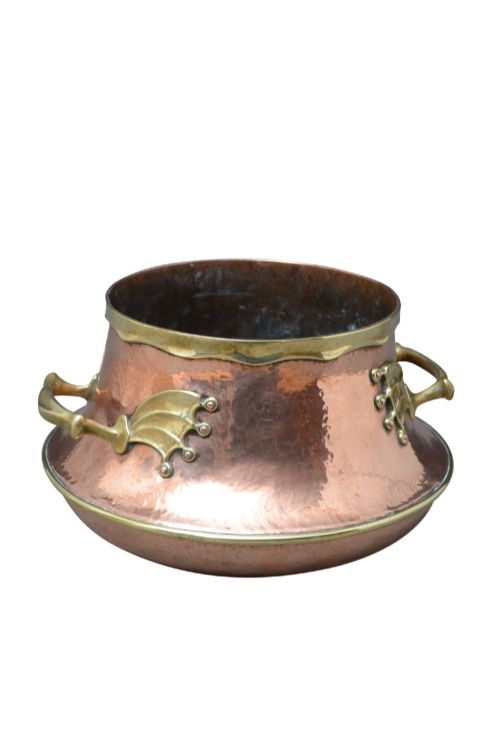
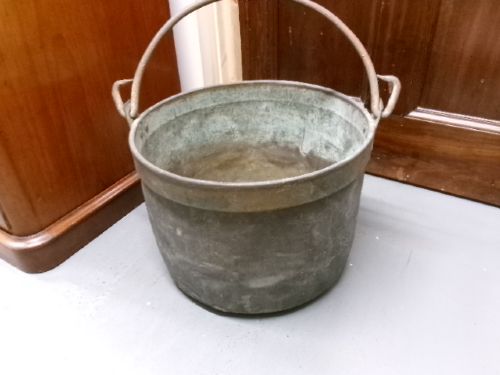
When searching for a brass handle copper container, buyers encounter domestic and fireside vessels intended for practical service. These pieces range from helmet-shaped coal scuttles and log bins to cauldrons, water barrels, and jardinières.
The Victorian period dominates the selections, alongside examples spanning George III, Edwardian, and Arts and Crafts eras. Forms vary from simple buckets and water jugs to structured Gladstone bags and shaped log bins.
Most items combine a beaten or smooth copper body with cast or wrought brass handles, mounting brackets, and feet. Their dual utility as fuel containers and decorative planters demonstrates enduring domestic adaptability.
Materials and construction methods
The primary construction relies on sheet copper, shaped by hand-beating or rolling to form cylindrical, helmet, or bucket bodies. Iron is occasionally utilised for underlying bands or structural reinforcement, while tin sometimes lines the interior of vessels designed for water.
Brass provides the contrasting hardware, appearing as sturdy swing handles, paw feet, and riveted mountings. Artisans joined copper sheets using dovetail seams or overlapping rivets before polishing the surfaces to a bright finish.
Brass Handle Copper Container Retail Price Guide 2026
Typical asking prices for brass handle copper container among the pieces listed under this phrase on Sellingantiques today, from the lower quarter to the upper quarter. They describe what is for sale here now, not the wider market.
Even a humble coal bucket can double as an indoor jungle for ferns.
Evaluating craftsmanship and proportion
Superior examples display crisp hammering marks, substantial gauge copper that resists flexing, and well-cast brass handles securely fixed with original rivets. Finer pieces maintain balanced proportions, particularly in the curve of helmet scuttles and the attachment of swinging bails.
Subtleties in surface texture and the integrity of dovetailed or folded seams separate standard utilitarian items from decorative workshop pieces. The weight and casting quality of the brass fittings further distinguish workshop output.
The Brass Handle Copper Container Glossary
- Coal scuttle
- A domestic container designed for holding and transporting fireplace fuel. These vessels frequently feature a sloped opening and a swinging brass handle for ease of tipping.
- Cauldron
- A large, round-bodied cooking or heating vessel adapted over time for decorative use. They typically rest on three feet and incorporate sturdy drop handles.
- Helmet scuttle
- A coal bucket shaped with a high back and a tapered, flaring spout resembling a classical helmet. This profile facilitated the precise pouring of fuel onto a fire.
Brass Handle Copper Container: Frequently Asked Questions
What were these copper containers originally used for?
These vessels served primarily functional roles in the home, carrying coal to hearths, storing logs, or holding water for domestic chores. Many doubled as decorative indoor planters during the Victorian period.
Their robust construction allowed them to withstand daily service in busy households before transitioning into decorative roles.
How do I clean a copper container safely?
Routine maintenance requires only a soft cloth and warm soapy water to remove dust and surface grime. Avoid abrasive cleaners that strip the natural ageing patina.
Polishing depends entirely on personal preference; some collectors favour a bright, reflective finish while others prefer darker, untouched oxidation.
Can I use an antique copper bin as a planter?
Many of these vessels make excellent indoor planters for larger house plants and ferns. Placing a plastic liner inside protects the metal from prolonged moisture contact.
Ensure proper drainage management so standing water does not sit directly against the historic copper or iron base.
How do I date a copper and brass vessel?
Dating relies on observing construction techniques such as handmade dovetail seams, rivet styles, and the design motifs of specific periods like George III or Arts and Crafts. Form and handle attachments also provide strong chronological indicators.
Machine-rolled sheets and uniform machine-threaded screws generally point towards later Victorian and Edwardian manufacturing methods.