







Brass Gallery Mirror
A brass gallery mirror or related mirrored furnishing brings depth and brightness to a room, offering functional reflection alongside period character.
Brass Gallery Mirror
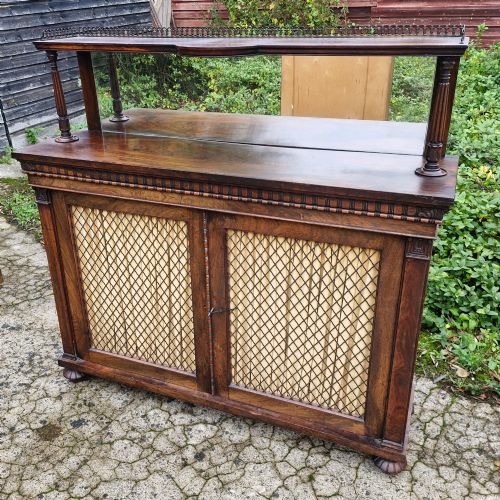
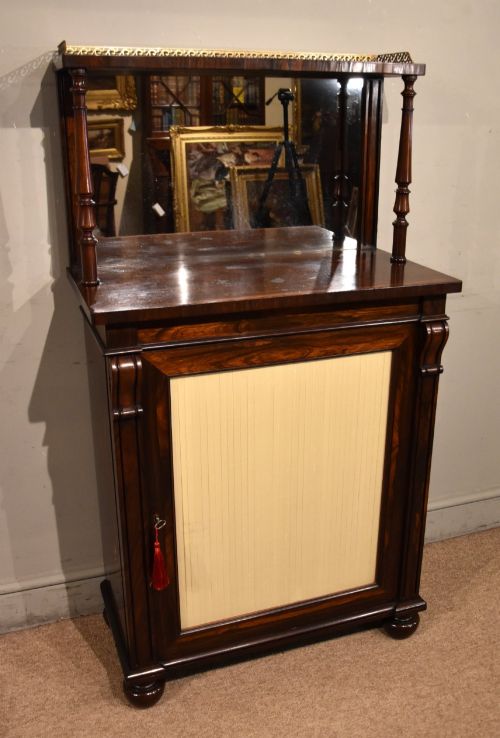
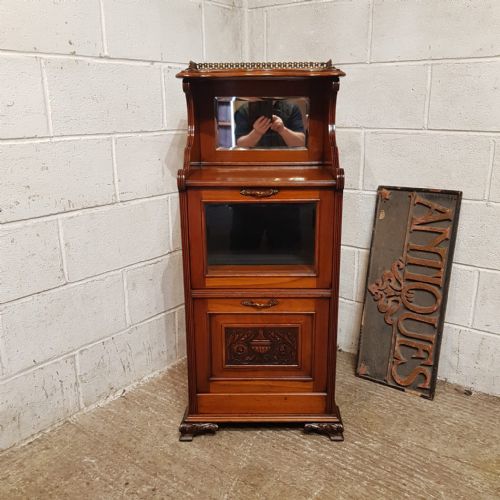
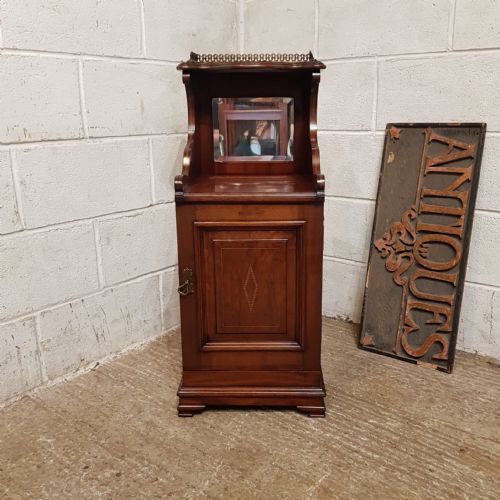
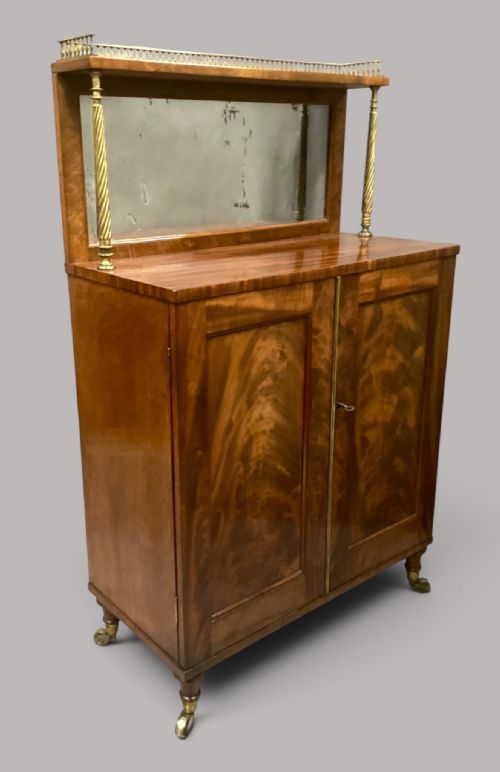
When you search for a brass gallery mirror, you encounter a variety of forms spanning the Georgian, Regency, Victorian, and Edwardian eras. The listings here encompass cabinets, bookcases, console tables, and wall shelves incorporating mirror glass, alongside pendant lights and chiffoniers.
Rosewood and mahogany form the primary structural timbers for these items, frequently paired with brass details and mirror glass. Pieces range from George IV side cabinets and Regency bookcases to late Victorian bedside cabinets and Edwardian cupboards.
The selection also includes specific cabinetmakers and distinct decorative styles such as Art Deco. Buyers are most likely to meet refined timber furniture featuring mirrored elements and period brasswork.
How they were made
Craftsmen utilised dense hardwoods like rosewood and mahogany, shaping them into sideboards, console tables, and wall shelves with careful joinery. Timber surfaces were often polished to highlight natural grain figures.
Metalwork played a key role, with brass and copper integrated into fixtures, galleries, and mounts. Mirror glass and mercury glass were fitted securely into wooden frames or backing panels to create reflective displays.
Brass Gallery Mirror Retail Price Guide 2026
Typical asking prices for brass gallery mirror among the pieces listed under this phrase on Sellingantiques today, from the lower quarter to the upper quarter. They describe what is for sale here now, not the wider market.
What varies in quality
Quality rests in the selection of timbers, such as figured mahogany and rosewood, and the crispness of the brass and gilt work. Superior examples display harmonious proportions and careful integration of the mirrored glass.
The refinement of period details, from George IV cabinet work to Regency console shaping, separates standard utilitarian pieces from exceptional workshop output.
Gillows·Rowley Gallery
The Brass Gallery Mirror Glossary
- Mercury glass
- A type of blown double-walled glass coated with a silvering mixture inside, creating a reflective surface. It was widely used in nineteenth-century decorative objects and lighting.
- Chiffonier
- A small sideboard or cabinet popular in the Georgian and Victorian periods, often featuring doors enclosing shelves and a raised gallery top. They provided useful storage in principal reception rooms.
- Console table
- A table designed to stand against a wall, frequently supported by wall brackets or console legs. Regency examples often combined timber with gilt accents and mirror glass.
- Gilt
- A thin layer of gold leaf applied to wood or metal surfaces for decorative effect. It accentuates carved details and brass mounts on period furniture.
Brass Gallery Mirror: Frequently Asked Questions
What periods do these pieces cover?
The items span from the Georgian and Regency eras through the Victorian and Edwardian periods up to nineteen-twenty.
This broad timeline incorporates George IV, William IV, and Art Deco design characteristics across various wooden furnishings and lighting.
How were mirrored cabinets used?
Mirrored cabinets and wall shelves served both practical and decorative functions in period homes. They displayed prized possessions while bouncing light around the room.
Side cabinets and chiffoniers provided enclosed storage alongside their decorative glass and brass elements.
What timbers are most common?
Rosewood and mahogany dominate the structural woodwork across the selection. These durable hardwoods were chosen for their rich colour and ability to take a fine polish.
Yew wood also appears in specific wall shelf pieces from the early nineteenth century.
How do I identify a Regency piece?
Regency items often feature classical proportions, figured mahogany or rosewood veneers, and refined brass or gilt mounts. Makers of this era focused on architectural lines and elegant joinery.
Comparing the timber finish and hardware style helps distinguish Regency work from later Victorian reproductions.