

Brass Furniture Handles
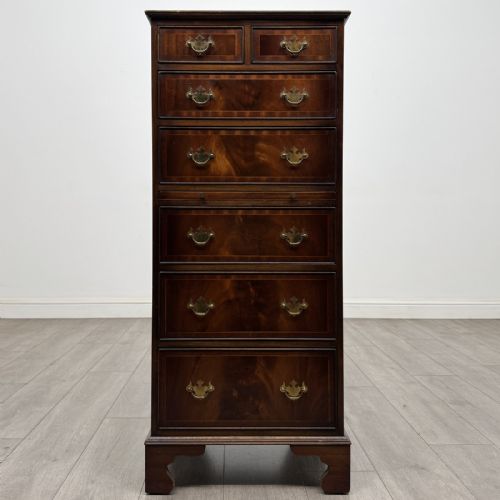
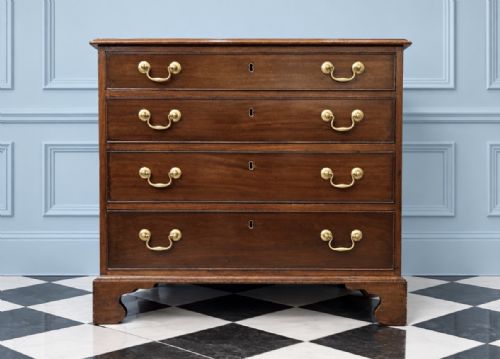
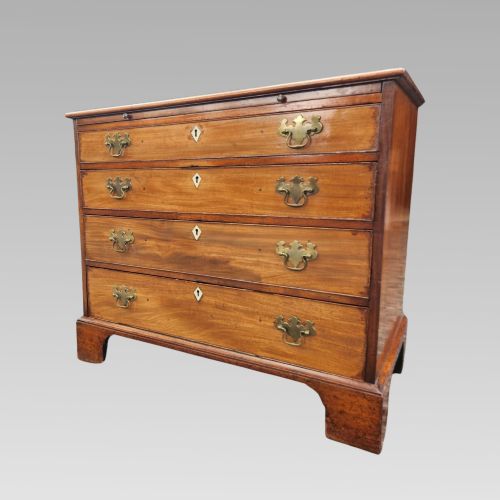
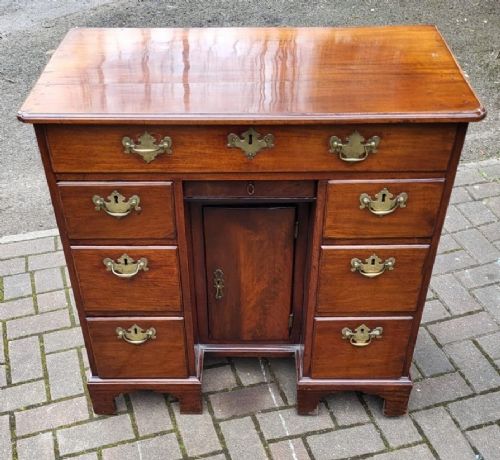
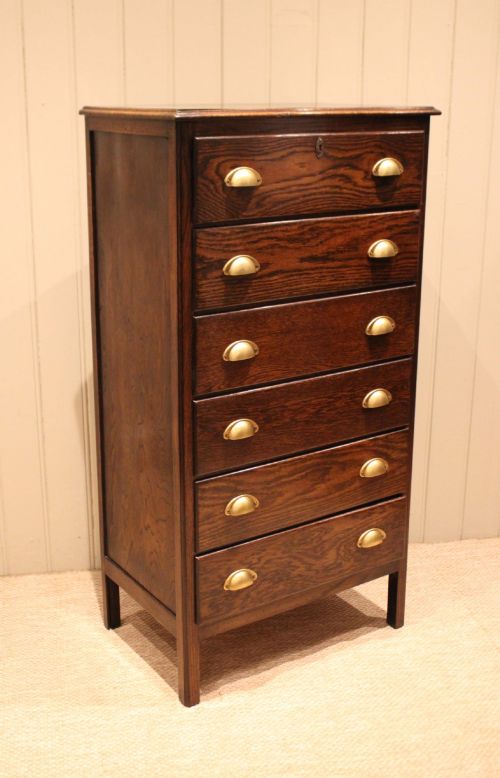
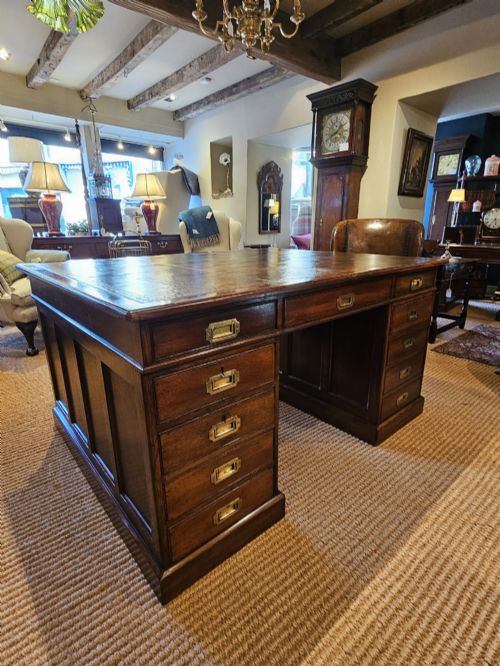
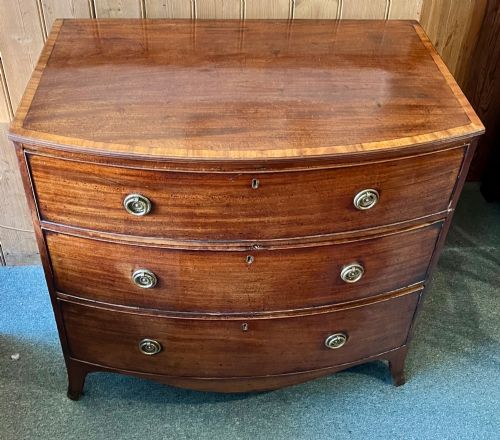
Brass furniture handles give period chests of drawers and campaign desks their defining hardware.
Brass Furniture Handles
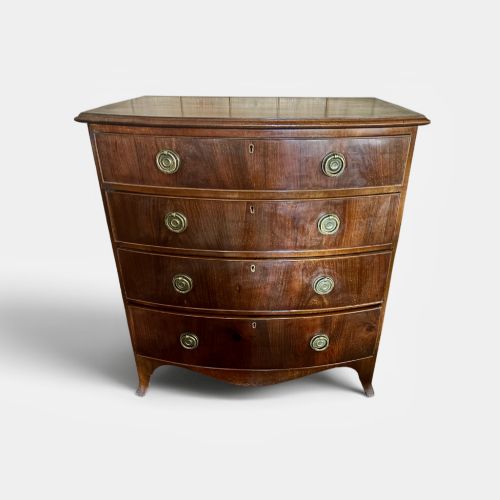
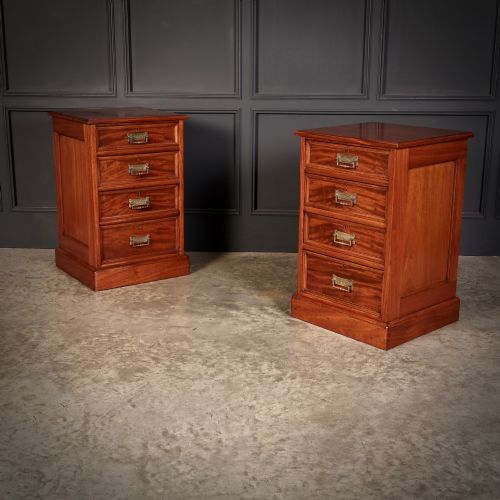
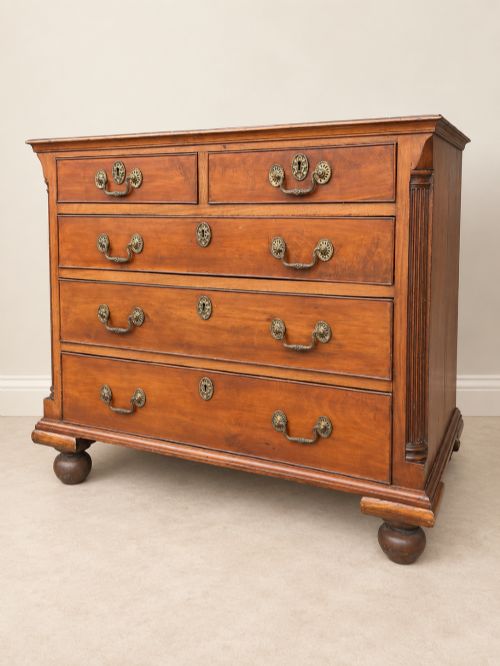
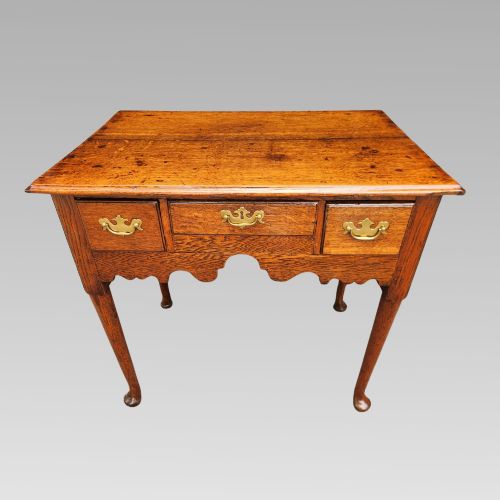
Brass furniture handles appear on 18th century, Georgian, 19th century, Victorian and Edwardian timber furniture. When you search for brass furniture handles, you are looking at the metal mounts, drop handles and plates fitted to chests of drawers, desks and side tables.
The most common versions on this page are attached to mahogany, oak, walnut and satin birch case pieces spanning the Georgian and Victorian eras. These components complete the functional and decorative scheme of period storage furniture.
Materials and construction
Hardware is cast or stamped in brass and fixed to timber carcases made from mahogany, oak and walnut. Makers secured these fittings through drawer fronts using threaded posts, nuts or split pins.
Selected pieces combine brass fittings with inlay, burr veneers and leather surfaces, reflecting the primary materials used across Georgian and Victorian workshops.
Brass Furniture Handles Retail Price Guide 2026
Typical asking prices for brass furniture handles among the pieces listed under this phrase on Sellingantiques today, from the lower quarter to the upper quarter. They describe what is for sale here now, not the wider market.
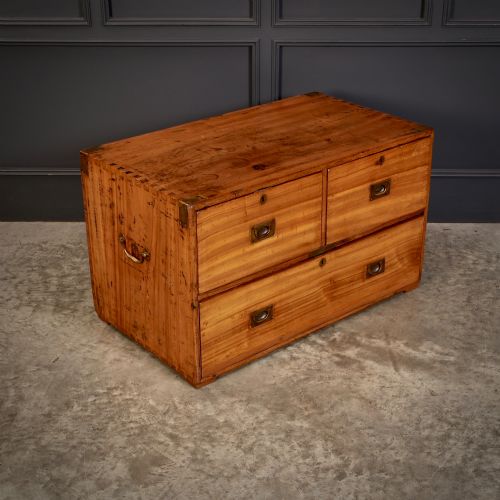
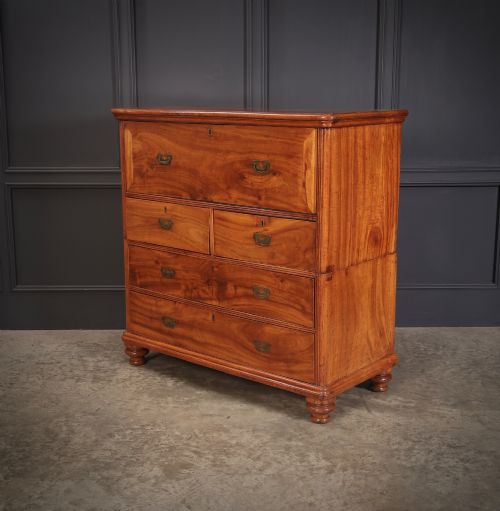
Camphor wood makes an appearance on campaign chests, ensuring your room smells faintly of a botanical apothecary.
Distinctions in quality
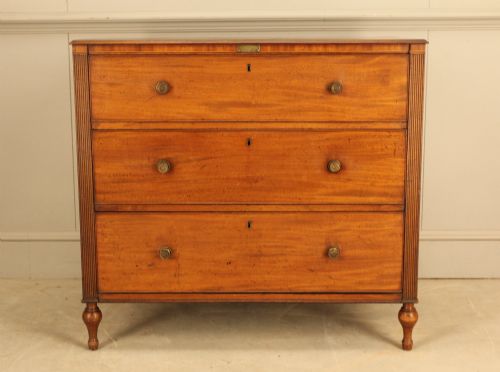
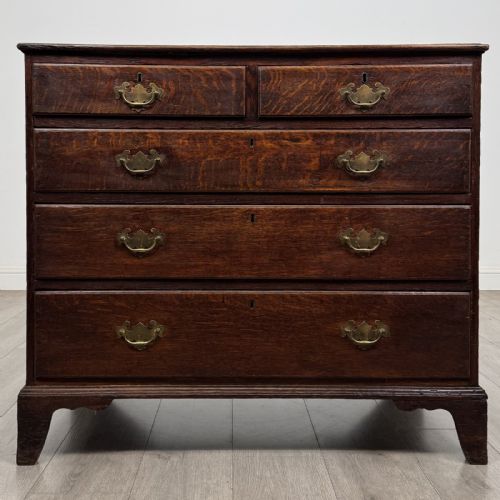
Quality rests on the crispness of the casting and the proportion of the brasswork to the timber drawer front. Heavier cast backplates and well-finished drop handles separate finer examples from standard production.
Originality of the hardware relative to the piece of furniture determines the integrity of the object. Hand-finished backplates demonstrate a higher grade of craftsmanship than mass-produced later replacements.
Army & Navy Stores
The Brass Furniture Handles Glossary
- Brass
- A copper and zinc alloy used extensively for period furniture handles, backplates and escutcheons. It develops a warm natural patina over centuries of handling.
- Campaign chest
- A sectional military chest designed for transport, fitted with flush brass handles and corner brackets to withstand travel. These pieces often feature camphor wood or teak.
- Backplate
- The decorative metal plate mounted behind a drop handle to protect the timber drawer front from wear. It defines the stylistic period of the hardware.
- Lowboy
- A small oak or walnut table with drawers, typically standing on tall legs and fitted with brass drawer pulls. These originated in the early 18th century.
Brass Furniture Handles: Frequently Asked Questions
How do I know if brass handles are original?
Examine the interior of the drawer front for filled holes or mismatched ghost impressions left by earlier backplates. Original fixings generally match the period wear and oxidation of the surrounding timber.
Compare the shadow and patina around the brassplate with the exposed wood beneath. Consistent ageing indicates the hardware has remained on the drawer for generations.
What woods were used with these handles?
Mahogany, oak, walnut, burr walnut and satin birch form the primary carcase timbers supporting these metal fittings. These dense hardwoods provided a stable base for heavy brass plates and drop handles.
Cabinet makers also utilised camphor wood and teak on specialised campaign furniture fitted with flush brass hardware.
How do I clean period brass handles?
Dust the metal gently with a dry cloth to remove surface grime without disturbing the historic oxidation. Avoid harsh commercial polishes that strip away the aged dark patina accumulated over centuries.
Retaining the natural surface colour preserves the character and historical integrity of the hardware.
What furniture styles feature brass handles?
Georgian, George III, Victorian, Edwardian and Queen Anne style pieces frequently incorporate brass hardware. These range from formal mahogany kneehole desks to utilitarian oak filing cabinets.
Drop handles and backplates evolved in design across these periods, matching the prevailing aesthetic of each decade.