





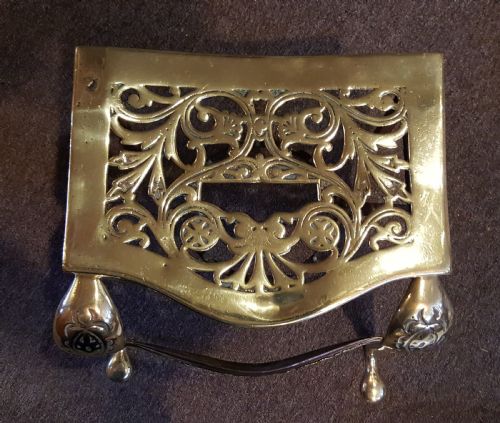

Brass Footman Trivet
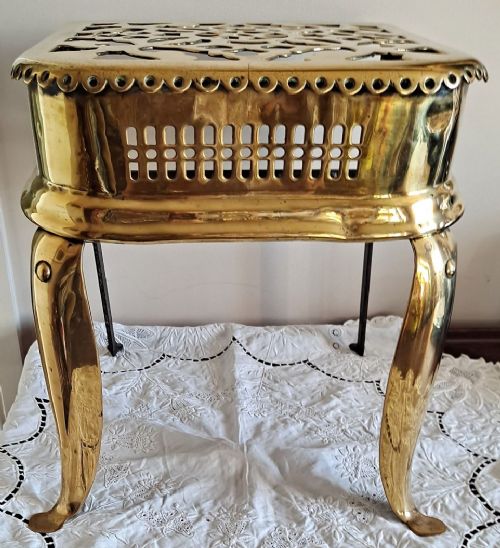
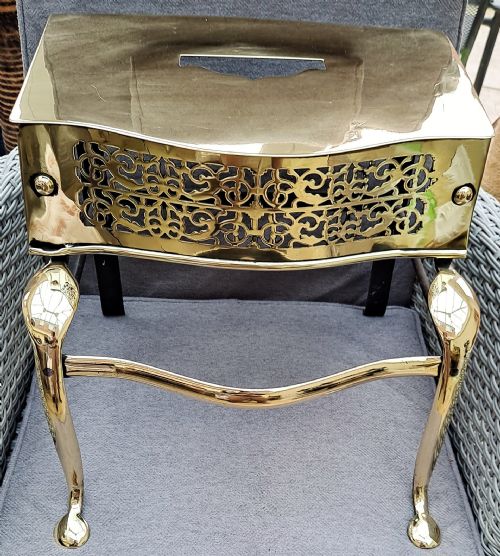
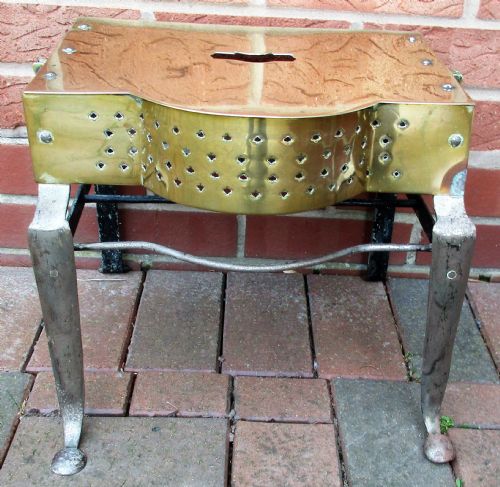
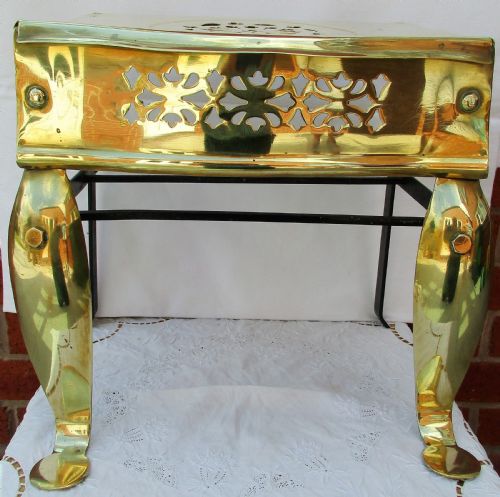
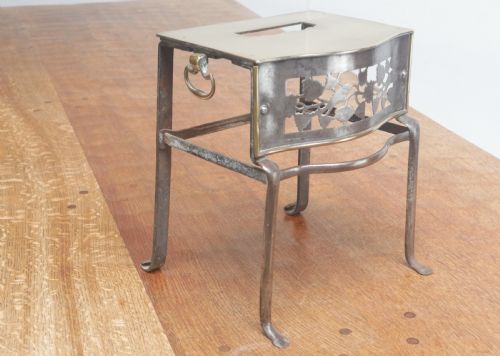
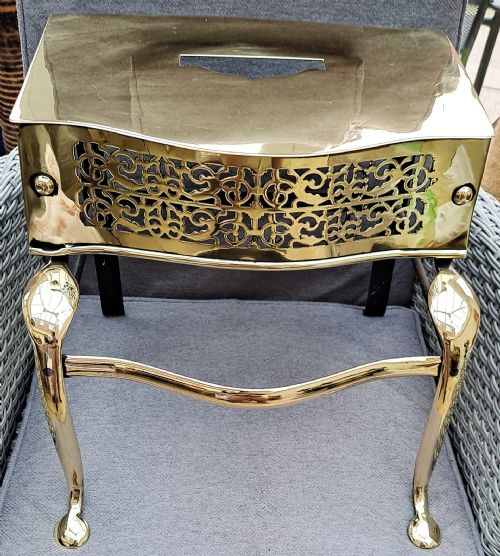
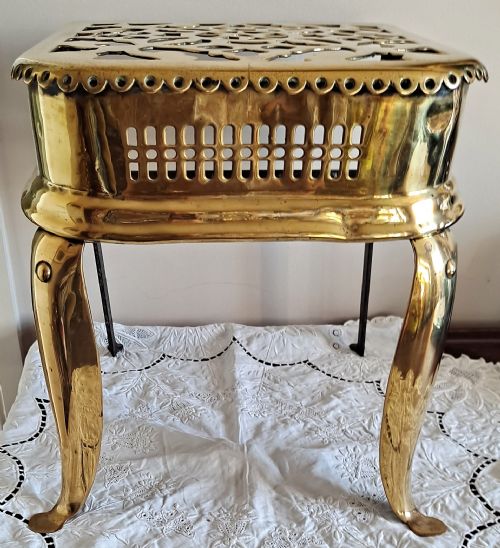
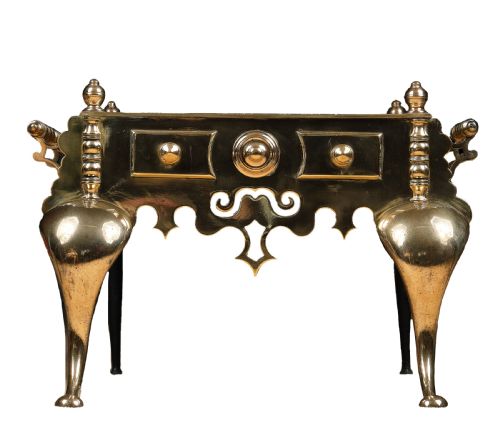
These brass footman trivet pieces are English fireplace accessories for warming plates by the hearth, combining utility with period metalwork.
Brass Footman Trivet
When you search for a brass footman trivet, you are looking at utilitarian hearth furniture designed to stand near an open fire for warming plates or keeping food hot. The pieces on this page span the eighteenth, nineteenth, and Victorian periods, alongside specific Georgian and Regency examples.
Most entries follow traditional forms such as the hearth footman, fireplace plate warmer, or fireside stool, often standing on cabriole legs. Origins stretch across English workshops to Welsh and Isle of Man variants, showing how domestic fire furniture varied by region.
You will encounter items described as inglenook fireplace warmers or porter stools alongside standard trivet forms. The dominant materials recorded in these listings are brass paired with steel and iron.
Materials and construction methods
Makers constructed these fireplace accessories primarily from bright brass for the top plate and upper frame, combined with robust steel and iron for internal bracing or structural legs. This dual-metal construction provided the necessary heat resistance and weight required beside an open coal or wood fire.
Casting and forging techniques shaped the brass plates and the supporting legs, which frequently take the form of cabriole structures. Metalworkers used durable joints to withstand heavy domestic use in eighteenth and nineteenth-century kitchens and formal hearths.
Brass Footman Trivet Retail Price Guide 2026
Typical asking prices for brass footman trivet among the pieces listed under this phrase on Sellingantiques today, from the lower quarter to the upper quarter. They describe what is for sale here now, not the wider market.
Some heavy footman models were stout enough to double as miniature indoor steps for reaching high hearth mantels.
Distinguishing quality and design
Quality in these pieces rests upon the weight of the metal and the precision of the casting, moving from standard utilitarian items to heavy, substantial examples designed for large inglenook fireplaces. Finer pieces demonstrate careful attention to the shaping of cabriole legs and the solidity of the brass top plate.
The integration of steel and iron elements with the decorative brass work indicates the original maker's skill level. Subtleties in proportion and the cleanliness of the metal casting separate standard domestic items from superior fireside equipment.
The Brass Footman Trivet Glossary
- Brass
- An alloy of copper and zinc used extensively for the visible top plates and decorative surfaces of these fire accessories. It provides a bright metallic appearance that reflects hearth warmth.
- Footman
- A low metal stand placed near an open fire to hold plates, kettles, or food. These items served a practical domestic function in historical kitchens and living rooms.
- Trivet
- A small three-legged or four-legged support utensil used for heating items by the fire. In this context, it functions interchangeably with the footman.
- Cabriole
- A furniture leg form curving outward at the knee and tapering inward toward the foot. This shape appears on select hearth stools listed in the inventory.
- Inglenook
- A large recessed space around a fireplace designed for seating or warmth. Heavy footman models were specifically built to sit within these deep hearth areas.
Brass Footman Trivet: Frequently Asked Questions
What is a brass footman trivet used for?
These pieces were positioned near open fires to keep plates warm or heat food in historical homes. They served as practical hearth furniture before modern kitchen appliances.
Today, they function primarily as decorative antiques or display stands in traditional fireplace settings.
How do I date a brass footman?
Dating relies on stylistic markers such as Georgian cabriole legs or Victorian framing methods. Listings often identify items by specific eighteenth and nineteenth-century periods.
Examining the combination of brass and iron components also helps determine the era of manufacture.
Are these trivets made of solid brass?
Most pieces combine a brass top plate with structural elements made of steel and iron. This mix of metals provided stability and heat resistance near open fires.
The visible surfaces are typically brass, while the internal frames utilise stronger ferrous metals.
Where were these fireplace accessories made?
The inventory records pieces originating from English workshops, Welsh makers, and the Isle of Man. Regional variations reflect local metalworking traditions.
Makers tailored these designs for domestic hearths, inglenooks, and formal rooms across different regions.
How do I clean an antique brass trivet?
Maintenance typically involves gentle dusting to preserve the historic metal surface. Many collectors prefer to leave the natural patina accumulated over centuries intact.
Harsh chemical polishes should be avoided to protect the original brass and iron finish.