

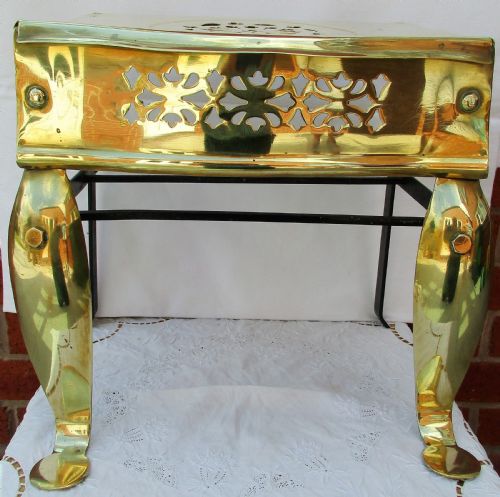
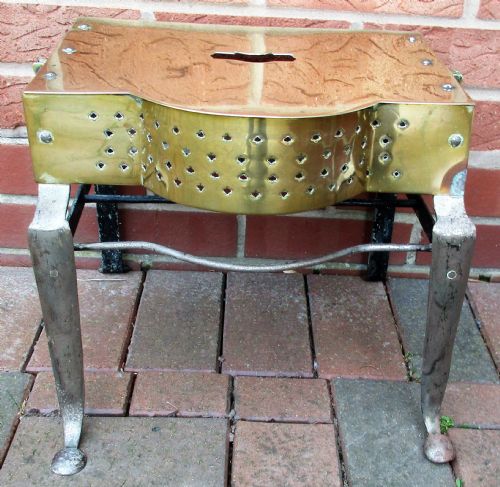
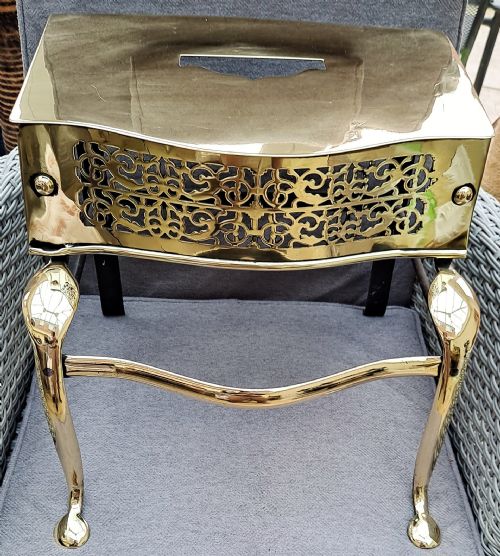
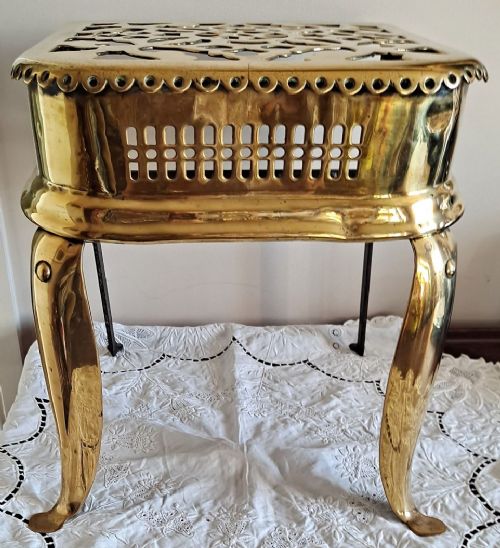




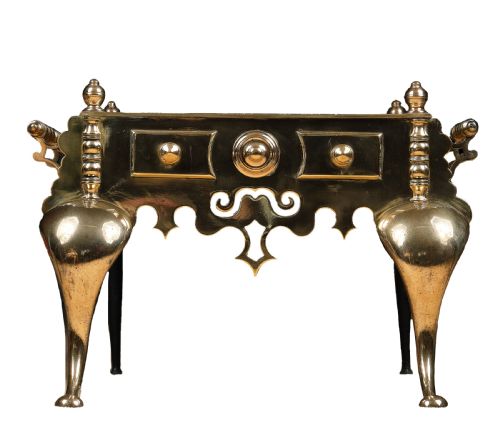


Brass Footman Stand
A brass footman stand is a sturdy hearth accessory used to warm plates beside an open fire.
Brass Footman Stand
A brass footman stand serves as a traditional fireplace accessory designed for warming plates and keeping food hot near the hearth. These pieces appear in Georgian, Regency, and Victorian styles spanning the eighteenth and nineteenth centuries.
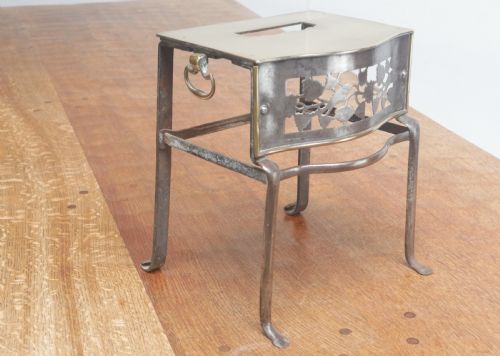
Most examples found here combine a bright brass top plate with a robust steel or iron frame underneath. They function practically as hearth trivets or inglenook fireplace warmers, often standing on short legs for stability.
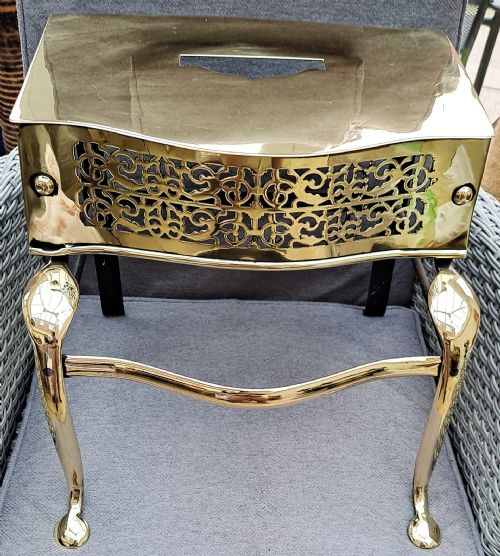
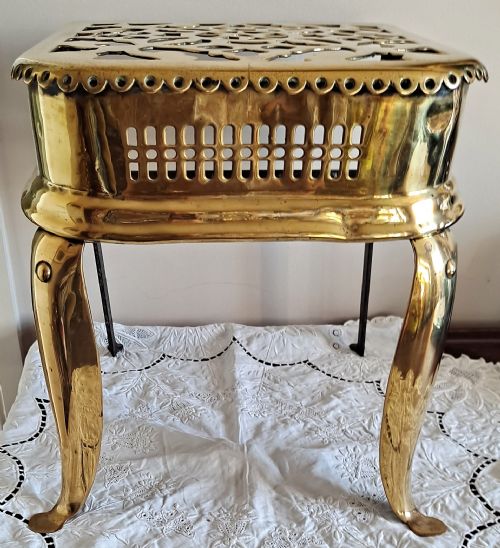
The selections available range from simple utilitarian designs to heavier English and Welsh models with distinct stepped forms or cabriole legs. Collectors encounter various regional interpretations from the nineteenth century alongside earlier Georgian pieces.
How they were made
Blacksmiths and metalworkers built these pieces using durable combinations of brass, steel, and iron. The upper plate typically consists of sheet brass, which conducts heat efficiently while providing a polished surface.
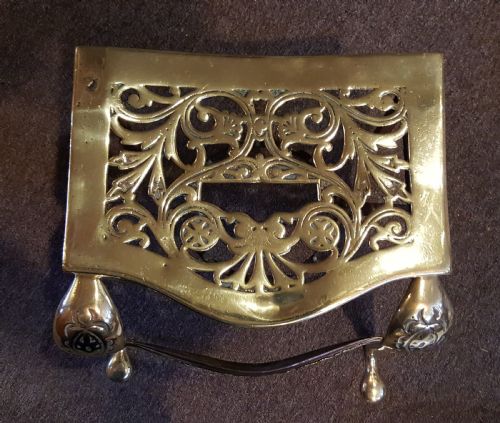
Underneath the brass top, makers constructed supportive frames from forged steel or iron to withstand the intense heat of an open fire. Many examples feature pierced or engraved patterns on the top plate to allow heat to rise effectively.
Brass Footman Stand Retail Price Guide 2026
Typical asking prices for brass footman stand among the pieces listed under this phrase on Sellingantiques today, from the lower quarter to the upper quarter. They describe what is for sale here now, not the wider market.
Listings span the eighteenth and nineteenth centuries, featuring Georgian, Regency, and Victorian styles made from brass, steel, and iron.
What varies in quality
The quality of a brass footman stand depends largely on the weight of the metals used and the crispness of any pierced decoration on the top plate. Heavier pieces indicate substantial construction designed for daily hearth use rather than light decorative purposes.
Fine examples display careful hand-forging in the iron or steel frame, particularly where legs join the main body. The thickness of the brass plate also separates standard utility pieces from more substantial examples.
The Brass Footman Stand Glossary
- Brass footman
- A metal stand placed by the fire to hold plates. This forms the primary object type seen across the listings.
- Hearth trivet
- A low three-legged or four-legged stand used for cooking or warming. It shares a similar function with the footman.
- Inglenook
- A recess or alcove for a hearth. These stands were frequently used inside these large open fireplaces.
- Cabriole leg
- A curved leg resembling the shape of an animal's leg. Certain Georgian footman stools feature this specific leg style.
Brass Footman Stand: Frequently Asked Questions
What is a brass footman stand?
A brass footman stand is a traditional fireplace accessory designed to hold plates and food near an open fire for warming. These pieces date primarily from the Georgian and Victorian periods.
They combine a brass top plate with a sturdy steel or iron frame to withstand high hearth temperatures.
How were these stands used?
Households placed these stands directly in front of or inside the fireplace hearth to keep meals warm before serving. They acted as portable warming shelves in rooms lacking modern kitchen conveniences.
Their sturdy metal construction allowed them to support heavy ceramic or metal plates close to the flames.
What metals are these stands made from?
The listings show pieces constructed from brass, steel, and iron. The top plate is invariably brass for heat conduction and appearance.
The supporting frame and legs utilise iron or steel for structural strength and heat resistance.
How do I date a footman stand?
Dating relies on stylistic clues such as the presence of Georgian cabriole legs versus later Victorian framing details. Construction methods in the iron and steel underframes also help determine the era of manufacture.
Most surviving examples date from the eighteenth and nineteenth centuries.