






Brass Flush Mount
A brass flush mount sits close to the ceiling or surface, offering steady illumination or secure storage through metal hardware.
Brass Flush Mount
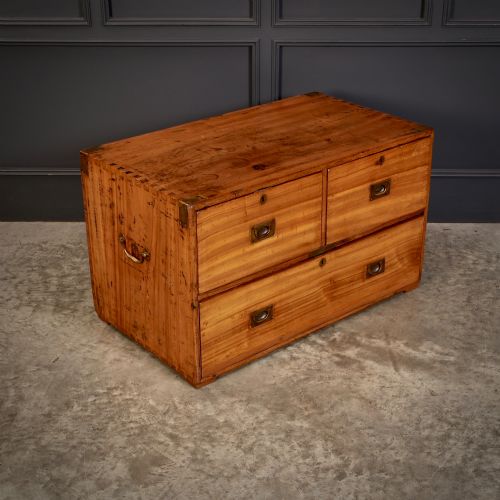
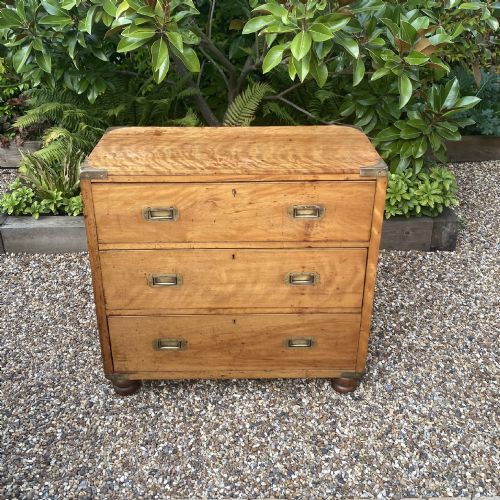
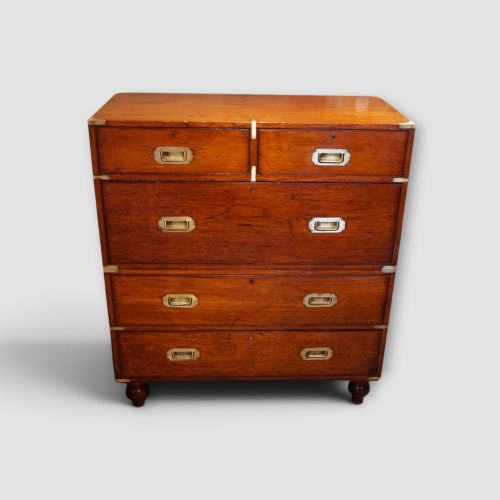
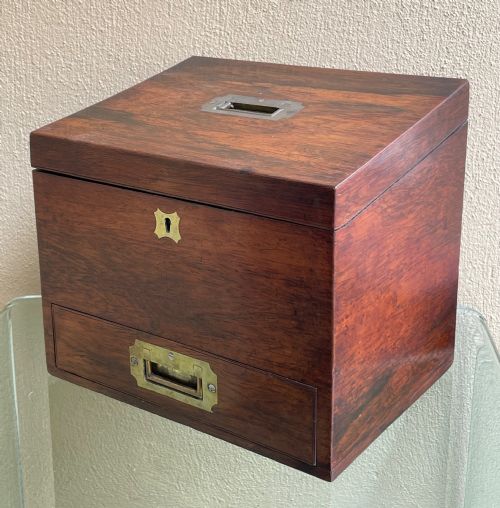
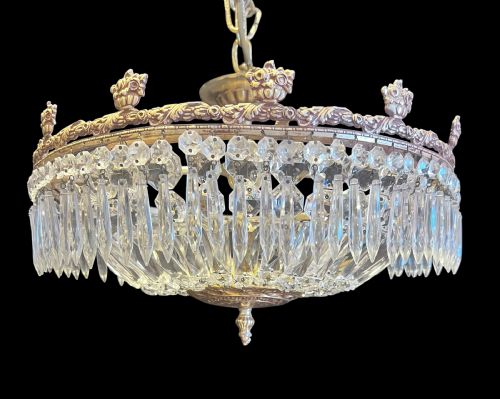
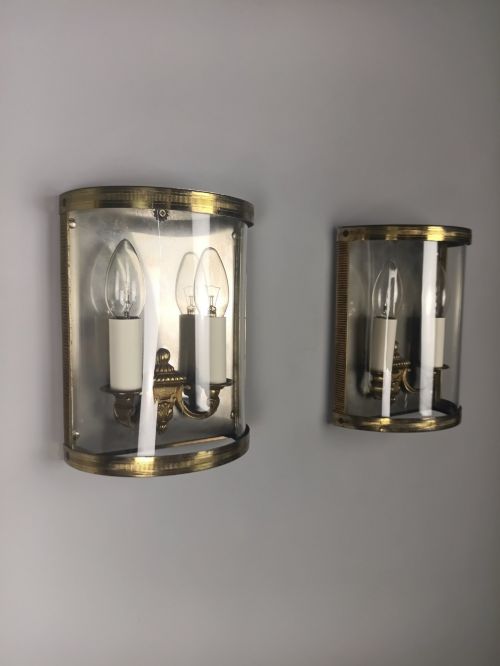
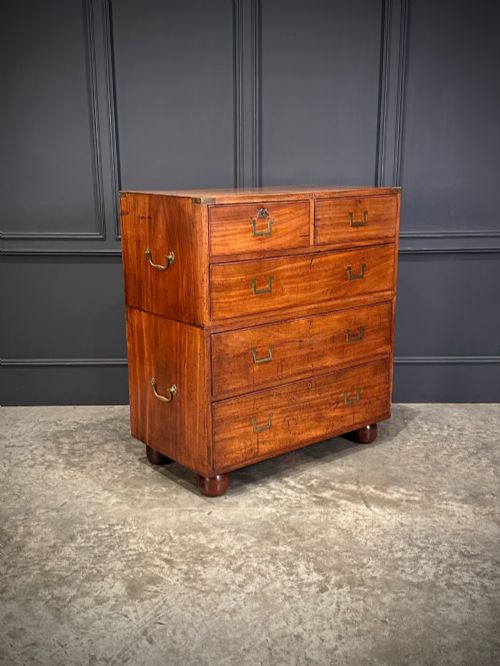
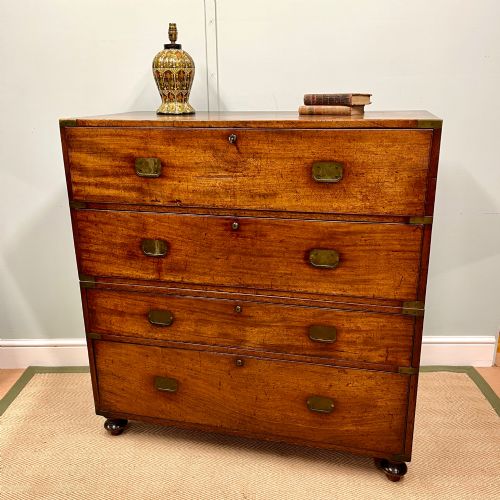
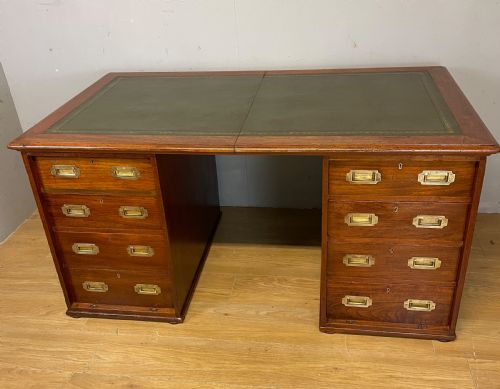
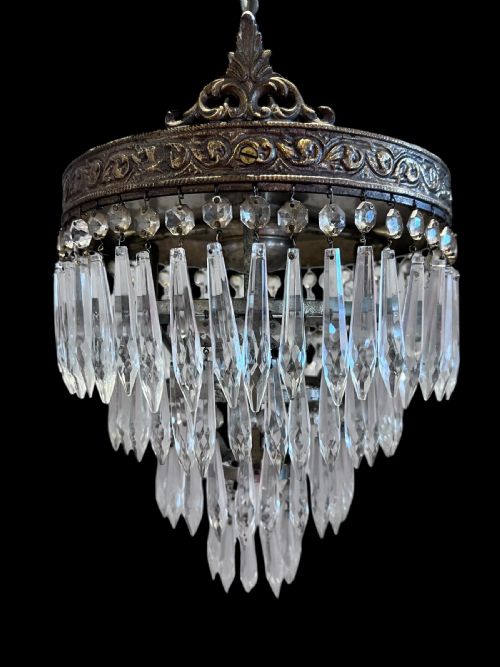
When you search for a brass flush mount, you encounter two distinct traditions: lighting fixtures such as chandeliers, plafonieres, and wall lights, alongside military campaign furniture fitted with flush brass mounts, handles, and corners. These pieces originate from the nineteenth century, the Edwardian era, and the 1930s, spanning British campaign chests and French glass lighting.
The furniture examples are most commonly chests of drawers, secretaire chests, desks, and trunks built in sections from teak, mahogany, camphorwood, and oak. The lighting examples take the form of glass and crystal fixtures secured with brass frames, mounts, and lanterns designed to sit tight against architectural surfaces.
These items were originally built for travel or compact interiors, meaning every element serves a structural or space-saving purpose. Buyers choose them for their robust construction, metal detailing, and ability to sit flush within rooms lacking high ceilings or open floor space.
How they were made
The construction relies on dense hardwoods such as teak, mahogany, camphorwood, and oak, chosen for their resilience during transport. Furniture pieces feature recessed brass hardware, flush handles, and corner brackets screwed directly into the timber to protect edges from impact.
Lighting fixtures combine cast brass, gilt brass, or bronze with cut glass, crystal beads, and blown glass shades. Metal components are shaped and polished to hold heavy glass drops, tents, and bowls securely against ceilings and walls.
Brass Flush Mount Retail Price Guide 2026
Typical asking prices for brass flush mount among the pieces listed under this phrase on Sellingantiques today, from the lower quarter to the upper quarter. They describe what is for sale here now, not the wider market.
Listings feature campaign furniture and lighting spanning the nineteenth century through the 1930s, constructed in teak, mahogany, camphorwood, brass, and cut glass.
What varies in quality
Quality rests in the precision of the brass work and the selection of timber or glass. Superior campaign pieces display tightly fitted flush brass corners, secret drawers with intact runners, and uniform grain in the teak or mahogany.
In lighting fixtures, the grade of the cut glass, the clarity of the crystal beads, and the weight of the cast brass frame determine the overall calibre of the piece. Finer examples maintain original gilding and complete bead strands without replacements.
Army & Navy Stores
The Brass Flush Mount Glossary
- Campaign chest
- A portable chest of drawers built in two or three sections with recessed brass handles and corner brackets, designed for military transport.
- Plafondier
- A ceiling light fixture that mounts flush or very close to the ceiling surface, often constructed with glass and metal mounts.
- Secretaire chest
- A chest of drawers featuring a fitted writing drawer that pulls down to reveal a desk surface and small pigeonholes.
- Gilt brass
- Brass that has been treated with a thin layer of gold leaf or gilt finish to enhance its decorative appearance.
Brass Flush Mount: Frequently Asked Questions
What is a brass flush mount?
A brass flush mount refers to hardware and lighting or furniture that sits flat against a surface. It includes ceiling lights with brass frames and campaign chests featuring recessed brass handles.
These designs were originally created to save space and withstand travel. Today they function as practical lighting and storage in modern homes.
How do I identify campaign furniture?
Campaign furniture is defined by its modular construction and recessed brass corners and handles. Pieces often split into two or three stackable sections for easy transport.
Woods like teak, mahogany, and camphorwood are standard. The flush brass mounts prevent snagging and protect the edges during movement.
Where were flush mount lights used?
Flush mount lights and plafonieres were designed for rooms with lower ceilings where hanging chandeliers were impractical. They distribute light evenly while staying close to the ceiling plane.
French and British makers produced these fixtures using cut glass, crystal beads, and brass mounts to reflect interior light effectively.
What timbers were used for campaign chests?
Cabinetmakers utilised durable tropical hardwoods that resisted warping in transit. Teak, mahogany, camphorwood, and occasionally oak appear across nineteenth-century examples.
Camphorwood was particularly favoured for trunks and chests due to its natural scent and insect-repellent properties. Teak provided exceptional strength in marine environments.