


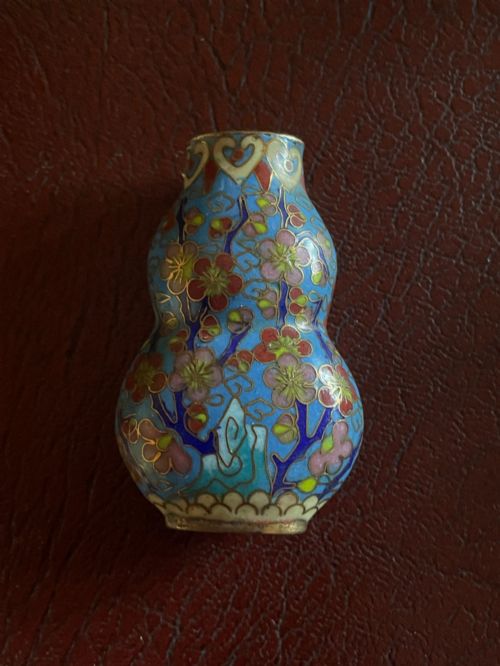


Brass Flower Vessel
A brass flower vessel brings weight and rich metallic warmth to a room, holding cut stems or standing alone as a sculptural focal point.
Brass Flower Vessel
A brass flower vessel encompasses everything from slender mantle vases to heavy footed jardinières designed for larger botanical displays. These pieces bridge utilitarian gardening functions and ornamental arts across multiple centuries of metalworking tradition.
The selections span distinct cultural expressions, featuring restrained Victorian forms alongside ornate Chinese cloisonné and sinuous Art Nouveau planters. Buyers encounter heavy bronze bowls alongside sheet metal buckets and delicate miniature vases.
Nineteenth-century examples dominate the offerings, showing patination acquired through decades of use. Craftsmen of the period utilised varied metal alloys to achieve different tonal qualities, from pale yellow brass to deep reddish copper.
Materials and construction methods
Many vessels rely on heavy cast bronze or brass, shaped in foundries to create thick walls capable of holding water securely. Artisans then chased the cooled metal surfaces by hand, cutting intricate decorative motifs into the exterior.
Lighter pieces utilise beaten sheet copper or brass, joined at seams and supported by applied feet or handles. Workshops frequently combined metals, pairing gilt bronze mounts with cloisonné enamel panels or adding silvered bronze highlights.
Enamelling techniques appear on several Oriental and European items, fusing coloured glass powders directly to metal foundations. Hand-carved details on Indian Raj period bronzes demonstrate alternative methods of surface enrichment.
Brass Flower Vessel Retail Price Guide 2026
Typical asking prices for brass flower vessel among the pieces listed under this phrase on Sellingantiques today, from the lower quarter to the upper quarter. They describe what is for sale here now, not the wider market.
Listings feature vessels spanning the eighteenth to the twentieth centuries, utilising brass, copper, bronze, and cloisonné enamel.
Distinctions in quality and execution
Quality reveals itself in the thickness of the metal and the crispness of the hand-chased or carved enrichment. Superior examples display confident, deep incisions rather than shallow mechanical stamping.
Weight serves as a reliable indicator of substance, particularly in cast bronze bowls and large jardinières where thinner walls indicate lesser ambition. The integrity of internal construction and the seamless execution of applied handles further separate standard production from masterwork.
Artistic cohesion elevates certain pieces, particularly within Art Nouveau and French Empire designs where form and ornament unite harmoniously. Maker attribution, such as signed foundry work, adds archival distinction to material excellence.
Charles Korschann Paris
The Brass Flower Vessel Glossary
- Jardinière
- A large ornamental pot or stand designed to hold growing plants or cut floral arrangements. They frequently appear in heavy copper or brass during the Victorian period.
- Cloisonné
- An ancient technique for decorating metal object surfaces with coloured glass paste placed within wire compartments. Artisans fire the piece to fuse the enamel to the underlying bronze or copper.
- Chasing
- A metalsmithing method where the artisan pushes metal from the front using hammers and punches to create raised or recessed patterns. This surface work distinguishes hand-finished vessels from plain spun metal.
- Patina
- The natural surface film that forms on metal through age, handling, and oxidation. Collectors prize undisturbed patination for the historical depth it lends to antique bronze and brass.
- Posy vase
- A small vessel intended to hold a compact bunch of short-stemmed flowers. These pieces often feature narrower necks to support individual stems upright.
Brass Flower Vessel: Frequently Asked Questions
How do I clean an antique brass flower vessel?
Most collectors prefer to leave the accumulated age patination undisturbed, as aggressive polishing removes historical character.
Dust gently with a dry cloth and wash the interior only with lukewarm water when necessary to remove soil or residue.
Can I use these vessels for fresh water displays?
Many heavy brass and bronze pieces tolerate water well, though older soldered seams require careful inspection before filling.
Using a hidden glass or plastic liner inside historic planters prevents moisture damage and preserves the original interior surface.
What is the difference between a jardinière and a vase?
A jardinière is wider and typically sits low on a surface to house potted plants or heavy trailing arrangements.
Vases offer greater height relative to their width, designed primarily to display upright cut stems and branches.
How do I date a nineteenth-century brass vessel?
Examine the construction marks, weight, and assembly methods, as cast seams and hand-chasing differ significantly from later machine stamping.
Stylistic cues such as Victorian proportions or Art Nouveau whiplash lines provide reliable chronological markers.