




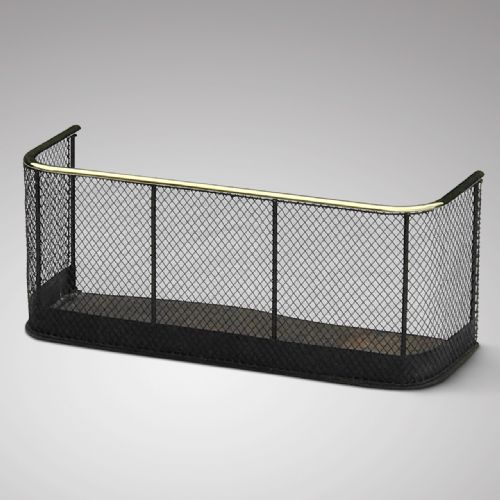

Brass Fender Screen
These brass fender screen pieces combine polished metal frames with protective wire mesh to keep hearths safe whilst retaining room warmth.
Brass Fender Screen
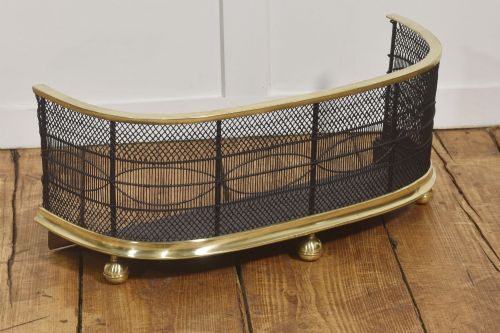
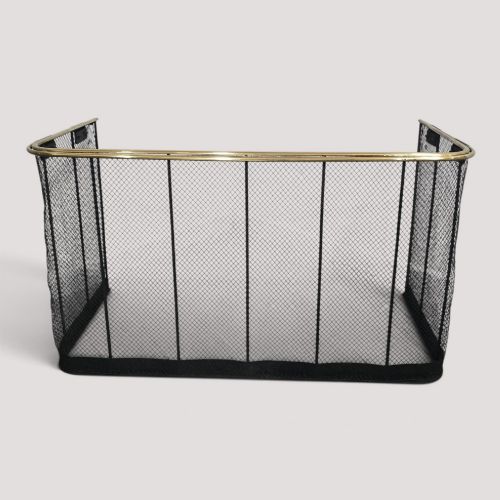
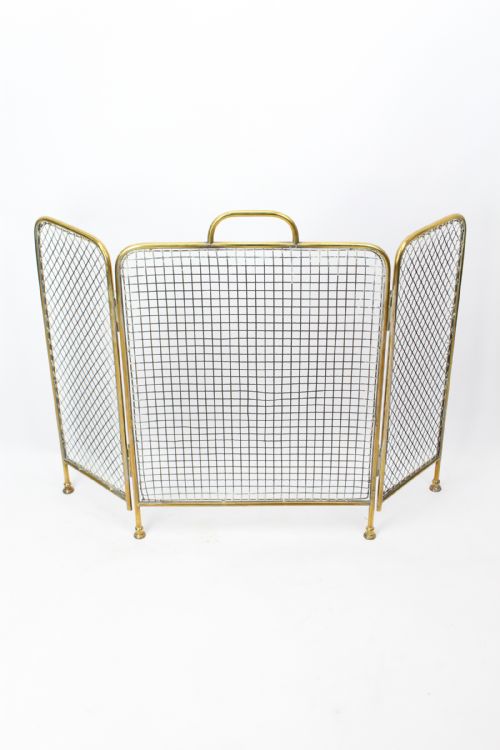
A brass fender screen serves to protect rooms from stray sparks while maintaining an open view of the hearth fire. Buyers searching for a brass fender screen encounter practical nursery guards and folding fire guards designed to enclose the fireplace hearth safely.
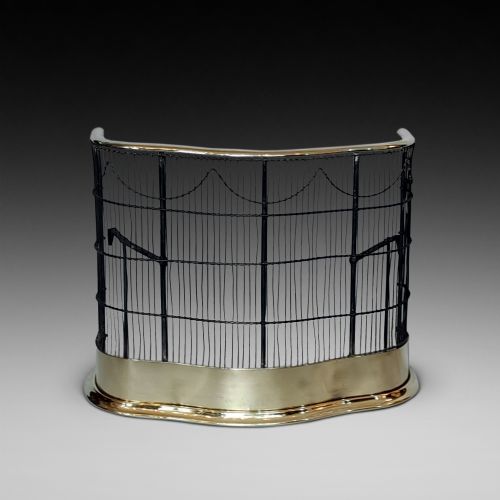
The selections span the Regency, Victorian, and Edwardian periods, bringing substantial historical character to domestic interiors. Formats range from bowed and serpentine profiles to gate fronted variations and nursery fenders fitted with clothes rails or top rails.
Originating predominantly in the nineteenth century, these fireplace accessories combine functional metal frameworks with protective enclosures. The typical piece balances sturdy iron or steel wire mesh panels with polished brass top rails and framing.
Materials and construction methods
The protective barriers utilise woven iron wire or steel wire mesh secured firmly within rigid metal borders. Folding mechanisms and gate fronted designs required precise metalworking to allow smooth daily operation.
Brass Fender Screen Retail Price Guide 2026
Typical asking prices for brass fender screen among the pieces listed under this phrase on Sellingantiques today, from the lower quarter to the upper quarter. They describe what is for sale here now, not the wider market.
Listings feature items spanning the 19th Century, Victorian, Regency, and Edwardian periods, utilising brass, iron, wire mesh, and steel.
Assessing quality and craftsmanship
Superior examples demonstrate meticulous joinery in the brass framing and secure, even tension across the woven wire mesh panels. The weight and gauge of the metal used for both the frame and the protective mesh dictate the overall structural rigidity.
Refined detailing distinguishes finer pieces, such as gracefully bowed or serpentine frames and carefully finished brass top rails. Simpler utilitarian designs prioritise basic containment, whereas superior pieces integrate decorative brass rims with robust folding mechanisms.
The Brass Fender Screen Glossary
- Fender
- A low metal guard placed in front of an open fireplace to contain falling coals and sparks. These often incorporate mesh screens or rails.
- Nursery fender
- A tall protective enclosure designed to keep children and pets at a safe distance from the hearth. They frequently feature integrated top rails or clothes drying bars.
- Serpentine
- A gently undulating curved shape resembling a snake, often seen in the footprint of nineteenth century fire guards. This contour allowed the guard to fit closely around protruding hearths.
- Wirework
- The craft of bending, weaving, and joining metal wire into functional protective mesh panels. It forms the transparent barrier in traditional fire screens.
Brass Fender Screen: Frequently Asked Questions
What is a brass fender screen used for?
These pieces serve primarily as safety barriers in front of open hearths, preventing sparks and embers from reaching room flooring. They also provide a physical boundary to protect children and pets from hot fireplace areas.
Historically, larger nursery versions also functioned as convenient spots for airing laundry near the warmth of the fire. Today, they remain practical accessories that preserve traditional interior aesthetics.
Are these screens suitable for daily use?
Most original guards remain structurally sound enough for regular placement around active fireplaces. The combination of brass frames and steel wire mesh provides durable protection against everyday hearth debris.
Careful handling of folding sections and hinges ensures the hardware continues to function smoothly. Regular gentle cleaning maintains the polished appearance of the brass components.
What styles are available?
The available selection includes Regency, Victorian, and Edwardian designs ranging from simple wirework frames to elaborate nursery fenders. Common variations feature bowed, serpentine, or rectangular footprints tailored to different hearth shapes.
Some pieces include practical additions such as top rails, clothes rails, or hinged gate fronts. Each style reflects the domestic safety requirements and metalworking fashions of its specific period.