




Brass Desk Magnifying Glass
A brass desk magnifying glass brings optical utility and tactile weight to a writing table, offering both practical focus and period presence.
Brass Desk Magnifying Glass
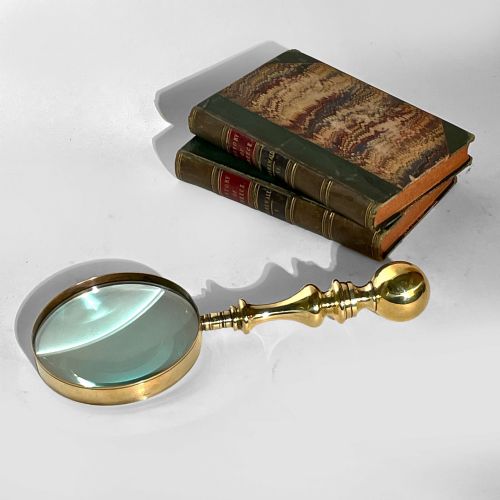
A brass desk magnifying glass combines functional magnification with the robust materials of nineteenth and twentieth-century studies and libraries. Buyers encounter everything from pivoting bullseye lenses to heavy paperweights and folding adjustable reading instruments.
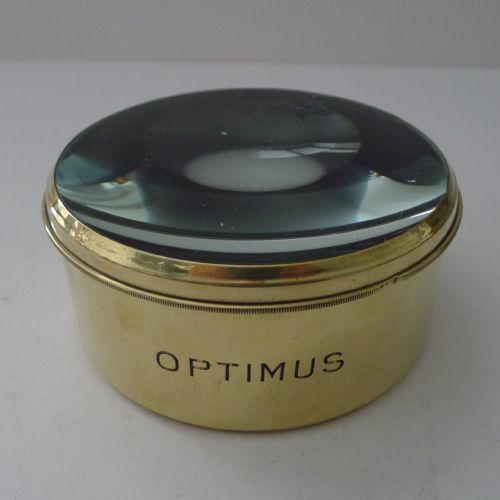
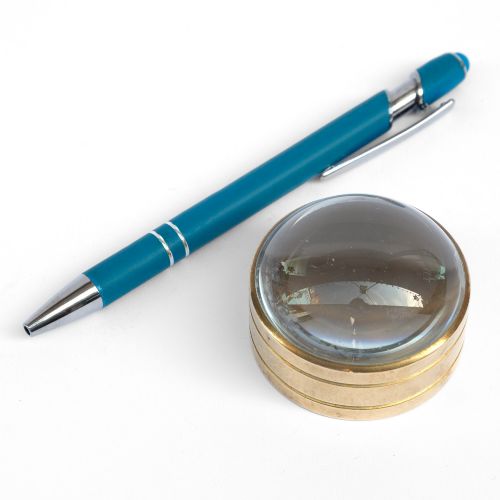
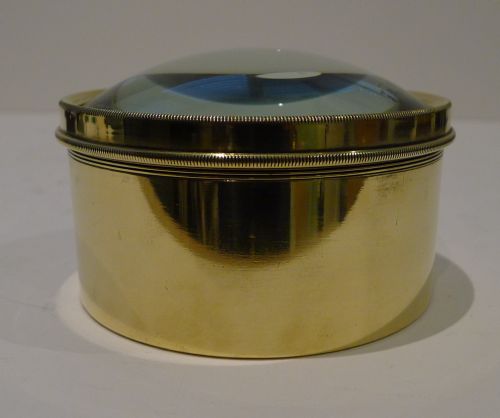
The selections available here span from early nineteenth-century Regency and Victorian scientific pieces to Edwardian and Art Deco library accessories. The standard format most frequently met is the substantial brass desk magnifying glass or paperweight originating from around nineteen-ten.
These instruments function as both practical tools for examining maps and text and as decorative elements for a study or desk top. Their forms include angle-poise arms, bulbous mounts, and folding frames designed for regular handling.
How They Were Made
Makers constructed these pieces using heavy cast brass frames paired with clear optical glass lenses designed for daily desk use. Many examples incorporate turned wooden handles or bases in mahogany, rosewood, and ebony, alongside supplementary metalwork in silver plate.
Joining techniques rely on threaded brass fittings, pivoting joints, and weighted bases that allow the lens to maintain position on a flat surface. Patents and maker signatures, such as those by Francis West or Thomas Rubergall, indicate specialised optical workshops.
Brass Desk Magnifying Glass Retail Price Guide 2026
Typical asking prices for brass desk magnifying glass among the pieces listed under this phrase on Sellingantiques today, from the lower quarter to the upper quarter. They describe what is for sale here now, not the wider market.
The listings on this site encompass periods from the early nineteenth century through to the nineteen-thirties, utilising brass, glass, mahogany, and rosewood.
What Varies in Quality
The caliber of a desk magnifier rests on the clarity and weight of the glass lens, alongside the engineering of its pivoting or folding mechanism. Heavier brass castings and robust frames provide superior stability compared to lighter, purely decorative iterations.
Examples bearing identifiable maker marks or patent registrations demonstrate higher workshop standards and greater documentary interest. The integration of secondary materials like dense rosewood or ebony further elevates the finish of the piece.
Thomas Rubergall·P H Vogel And Co·Francis West·Cindo Paris
The Brass Desk Magnifying Glass Glossary
- Bullseye lens
- A thick, convex magnifying glass designed to concentrate light or enlarge text beneath a rounded profile.
- Angle-poise
- An articulated arm mechanism allowing the magnifying glass to be adjusted and held at various heights and angles over a desk.
- Stanhope lens
- A specialised microscopic lens system allowing a hidden photographic micro-picture to be viewed through magnification.
- Paperweight base
- A weighted mount that permits a magnifying glass to rest flat upon documents while keeping the lens elevated.
- Optimus lens
- A proprietary trade name used for specific quality optical glass lenses found in period instruments.
Brass Desk Magnifying Glass: Frequently Asked Questions
How were these magnifying glasses used?
These instruments sat upon writing desks and library tables to assist with reading fine print, maps, and detailed documents.
Many doubled as heavy paperweights to keep loose papers secure while providing immediate optical aid.
How do I date an antique magnifying glass?
Dating relies on stylistic markers, patent dates stamped into the metal, and construction methods associated with specific decades.
Victorian and Edwardian examples often feature distinct brass casting styles and wood turnings typical of their respective eras.
What materials are typical for these pieces?
The primary materials are cast brass and optical glass, frequently complemented by wooden handles in mahogany, rosewood, or ebony.
Some pieces incorporate leather accents, silver plate, or heavier metal bases to provide stability on the desk.
Where were these optical instruments made?
The majority originate from English workshops and London opticians, though continental makers like French firms also produced them.
Specialist makers and patent holders stamped their business names directly onto the brass frames or mounts.