
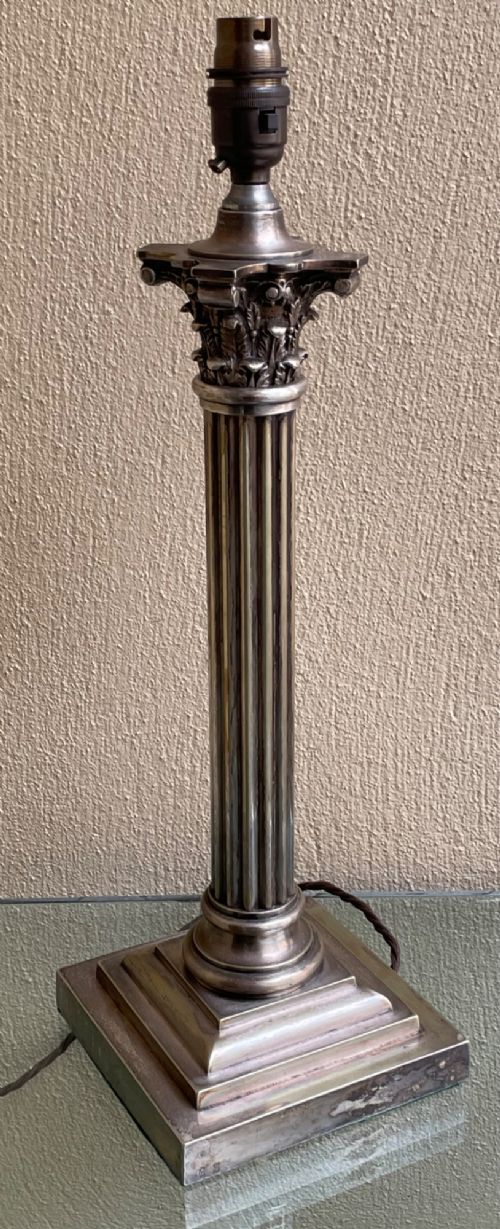
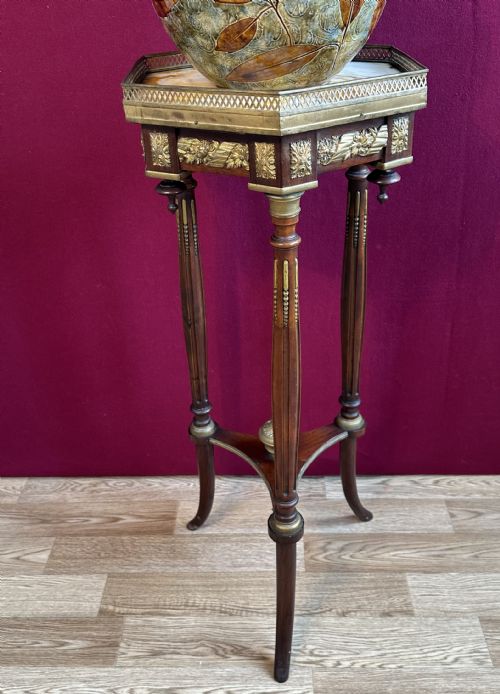

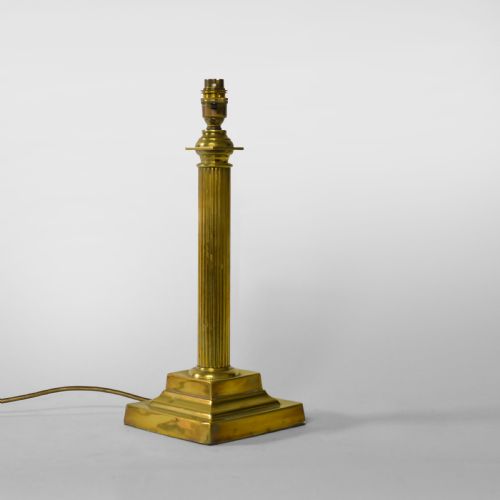
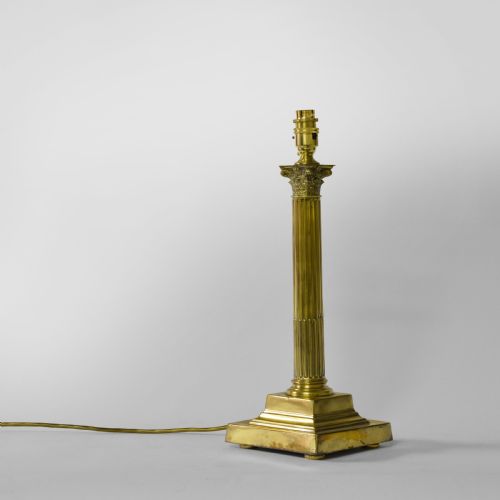


Brass Column Pedestal
Brass column pedestal designs combine architectural metalwork with functional display, offering a classic support for lamps, plants, and decorative objects.
Brass Column Pedestal
A brass column pedestal serves primarily as a stable support for lighting, plants, or decorative items within domestic interiors. When exploring brass column pedestal options, buyers frequently encounter lamp bases and plant stands drawn from Victorian and Edwardian periods.
The objects span table lamps, floor lamps, plant stands, and occasional tables, often incorporating classical orders into their metal shafts. Nineteenth century and early twentieth century examples dominate the selection, reflecting enduring taste for architectural forms.
Many pieces integrate brass with contrasting materials such as mahogany, marble, onyx, and glass. These combinations create varied silhouettes ranging from slender torcheres to sturdy oil lamp bases and multi-tiered stands.
Assessing quality and craftsmanship
Quality rests in the crispness of the brass casting, particularly on capital details like acanthus leaves and volutes. Heavier gauge metal and substantial stone or timber components indicate superior manufacture compared to lighter, hollow alternatives.
Proportion and scale distinguish finer examples, where the diameter of the column balances harmoniously with the base and top platform. Surface finishing, including chased surface work and patination, further separates standard production from superior pieces.
Listings feature items spanning the Georgian period through the 1930s, constructed from brass, mahogany, marble, onyx, glass, and oak.
The Brass Column Pedestal Glossary
- Corinthian capital
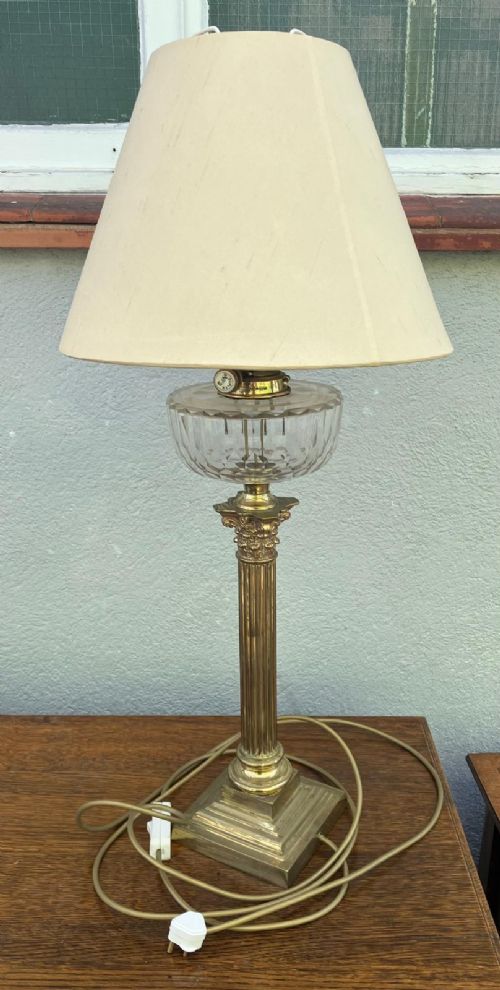
- The ornate top section of a column featuring carved acanthus leaves and small scrolls. It appears frequently on brass lamp bases from the Victorian and Edwardian eras.
- Torchere
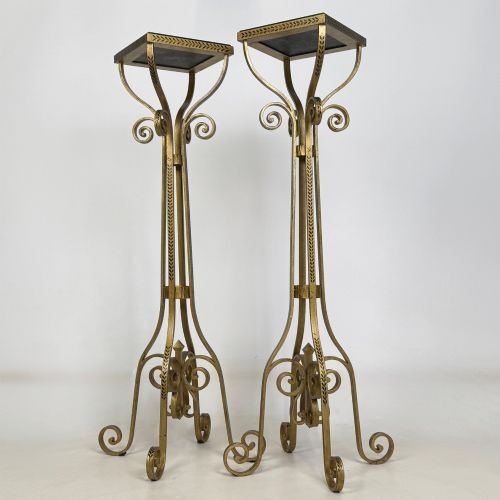
- A tall, slender stand designed to hold a light source, plant, or decorative urn. These pieces often utilise mahogany shafts supported by brass mounts.
- Onyx
- A banded variety of chalcedony utilised alongside brass for table tops and plant stands during the late nineteenth and early twentieth centuries.
- Doric
- The simplest of the classical column orders, featuring a plain capital and unadorned shaft. This style provides a restrained architectural presence on lamp bases.
- Pembroke table
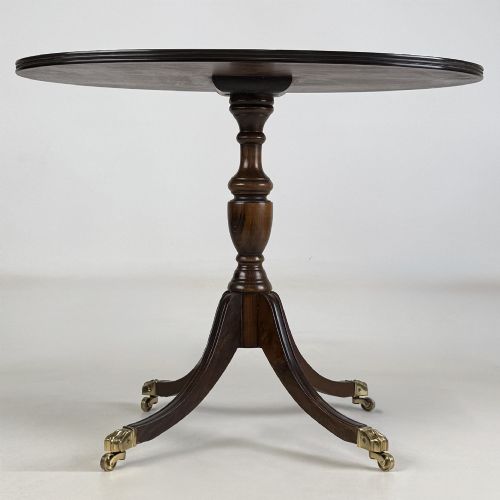
- A small occasional table with hinged drop leaves on two opposing sides. These timber tables occasionally incorporate brass hardware and drawer fittings.
Brass Column Pedestal: Frequently Asked Questions
What is a brass column pedestal used for?
These pieces function as elevated display surfaces for ornamental items, house plants, and lighting fixtures. Their sturdy vertical construction allows them to occupy minimal floor or table space while adding height to interior displays.
In period settings, tall versions supported oil lamps or standard lamps, while smaller variants served as table lamps or plant holders. Their architectural design suits both traditional and eclectic modern rooms.
How do I identify a Victorian brass lamp?
Victorian brass lamps typically display heavy cast metal components, classical column orders, and substantial weighted bases. Many feature maker stamps or registration marks near the base.
They frequently combine with cut glass, ceramic reservoirs, or opaline shades. The patination on the brass generally shows deeper oxidation consistent with age.
What materials accompany brass on these stands?
Makers frequently paired brass with polished mahogany, carved oak, and imported marble. Onyx and glass also appear in twentieth century plant stands and lamp bases.
These contrasting materials added colour, texture, and structural weight to the slender metal columns.
Are these pieces stable enough for plants?
Plant stands and pedestals from the nineteenth and early twentieth centuries were engineered to bear weight safely. Heavy marble or timber tops combined with weighted brass bases provide a low centre of gravity.
When placing heavy pots, checking the width of the top platform ensures secure balance.