


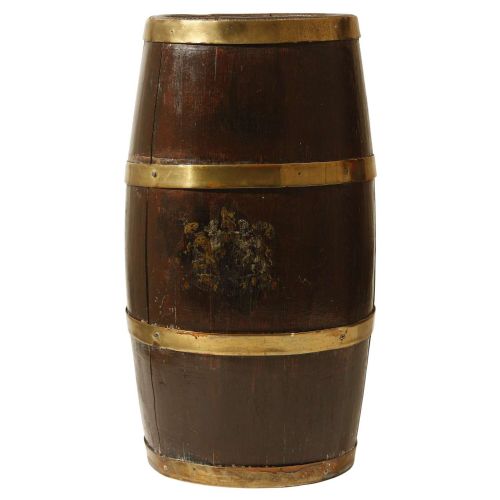


Brass Coat of Arms
These brass coat of arms pieces bring heraldic weight and warm metalwork into a room, appealing directly to collectors of armorial history.
Brass Coat of Arms
A brass coat of arms brings together heavy metalwork and heraldic design, appearing across a range of household and decorative objects on this page. Buyers searching this phrase look for armorial display pieces that connect domestic interiors with historical lineages.
The selections available here lean towards functional and decorative furnishings from the nineteenth century onward. Coopered oak umbrella stands, fire screens, doorstops, and wall plaques dominate the forms recorded in our listings and archive.
Many examples combine heavy brass elements with timber backings or mountings, particularly oak barrels and frames. Others integrate armorial motifs into military items and desk accessories, showing how widely heraldry was applied in past centuries.
How they were made
Makers utilised heavy casting and embossing techniques to shape the brass components of these pieces. Chasing and relief work often define the surface detail on plaques, fire screens, and doorstops.
Woodworking skills complement the metalwork, particularly in the construction of coopered oak umbrella stands and log boxes. Brass bands, braces, and inset crests are fitted securely to these timber structures using traditional joinery methods.
Brass Coat of Arms Retail Price Guide 2026
Typical asking prices for brass coat of arms among the pieces listed under this phrase on Sellingantiques today, from the lower quarter to the upper quarter. They describe what is for sale here now, not the wider market.
Materials recorded across these listings include brass, oak, steel, paint, leather, horsehair, boiled leather, and silver plate.
What varies in quality
The clarity of the armorial casting and the depth of the chased detail separate standard items from finer works. Crisper lines in the heraldic bearings indicate superior skill in the original workshop.
Material combination and structural integrity also influence the standing of a piece. Well-matched oak framing with robust brass bindings demonstrates careful proportioning and lasting construction.
The Brass Coat of Arms Glossary
- Coat of arms
- A distinct heraldic design on a shield or background used to identify families, institutions, or regiments. It forms the central visual motif of the brasswork found in these items.
- Embossed
- Raised in relief from the surface by hammering or pressing the metal from behind. This technique gives depth to many of the brass plates and fire screens.
- Chased
- Decorated or indented on the front surface using small punches and hammers after casting. It refines the fine lines within heraldic shields and mantling.
- Coopered
- Made from staves of wood fitted together and bound with metal hoops, typical of barrel-form umbrella stands and log boxes. This method ensures sturdy cylindrical vessels.
- Armorial
- Relating to heraldic arms or a coat of arms. It describes the decorative theme linking doorstops, jardinières, and wall plaques in the collection.
Brass Coat of Arms: Frequently Asked Questions
What objects feature a brass coat of arms?
These pieces appear across a diverse selection of domestic objects, including fire screens, doorstops, umbrella stands, and wall plaques. Metal heraldry was applied widely to both decorative items and everyday furnishings.
Items range from large oak barrel stick stands with brass braces to small desk accessories and cast brass plates. Each object integrates heraldic motifs into its primary function.
How were stick stands with coats of arms used?
Coopered oak umbrella and stick stands served practical functions in nineteenth-century hallways while displaying heraldic pride. They kept walking sticks and wet umbrellas organised near the entrance.
The brass mounts and inset crests added formal decorative weight to hallway furniture, aligning utility with traditional armorial display.
Are these pieces mostly Victorian?
A significant portion of the items originates from the nineteenth century, reflecting Victorian and revivalist enthusiasm for heraldry. Pieces span periods from seventeenth-century Dutch work to early twentieth-century trench art.
Stylistic revivals, such as Dutch Renaissance and Gothic Revival, heavily influenced the creation of armorial brasswork across different decades.
How do I care for antique brass and oak?
Maintain the brass elements by dusting gently and avoiding harsh chemical polishes that strip historical patination. Preservation of the aged surface maintains the character of the metalwork.
Keep the oak timber conditioned and away from extreme heat sources to protect coopered joints and fitted brass bands from movement.