

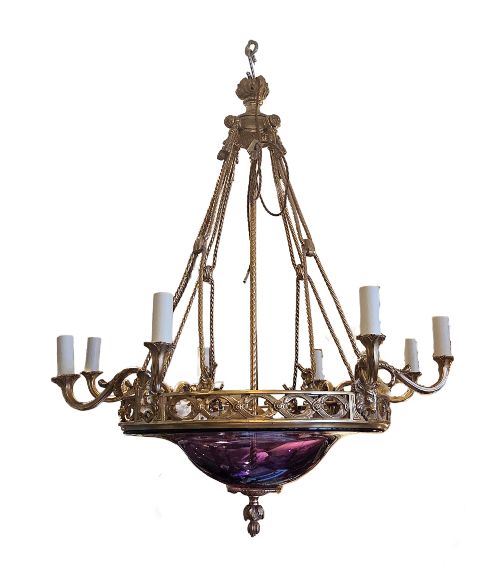
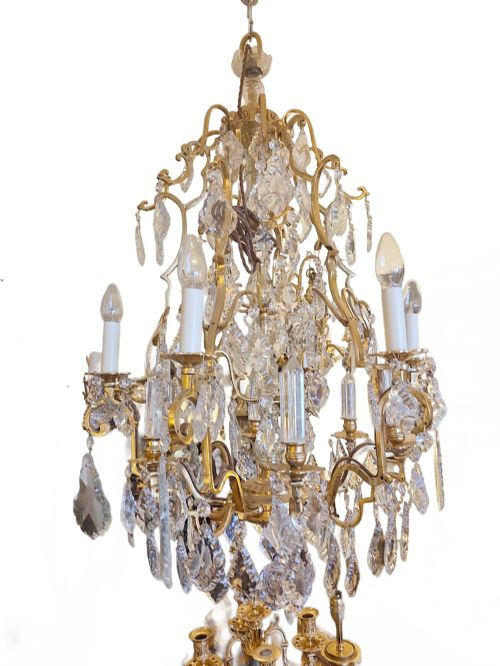
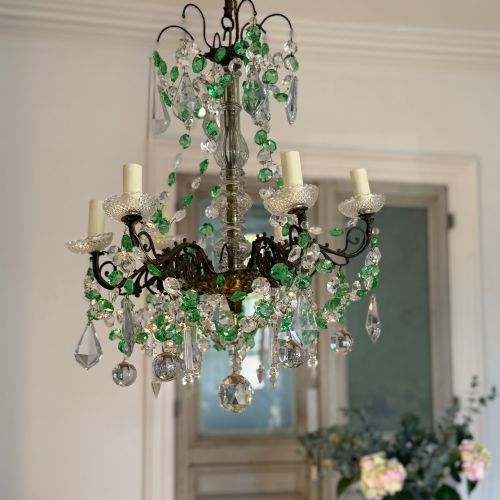
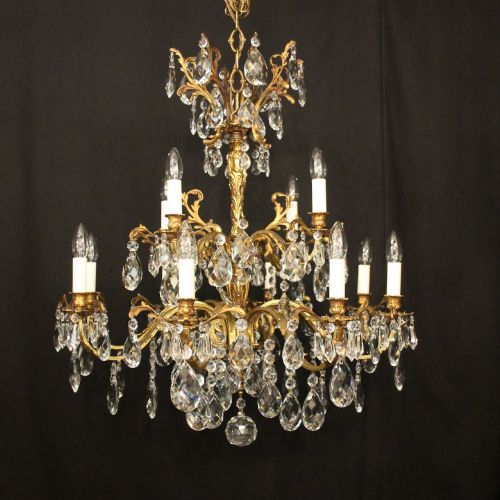
Brass Chandelier Fixture
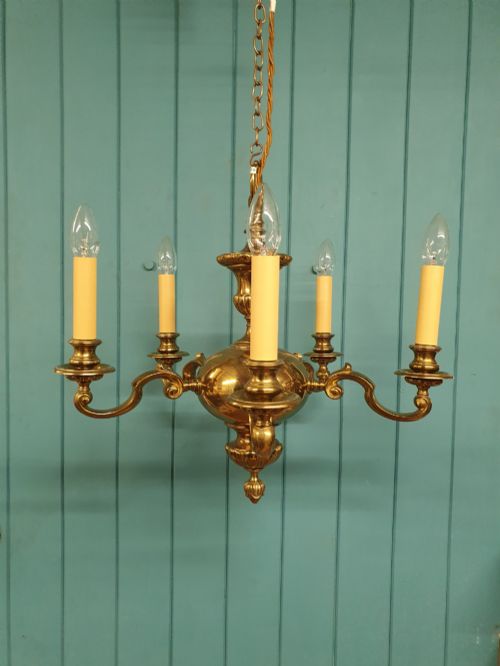
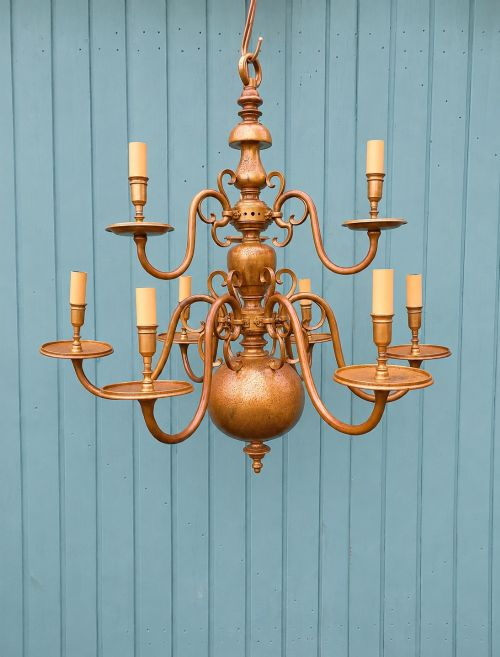
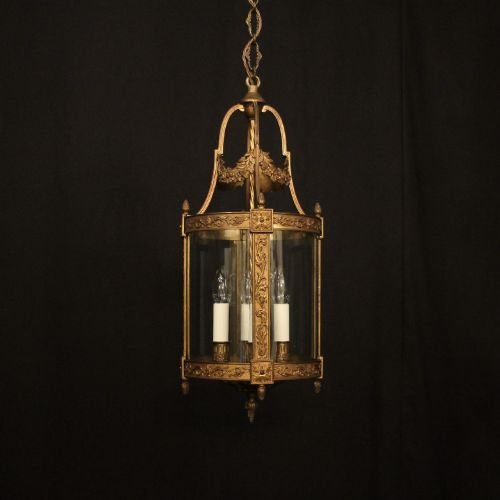
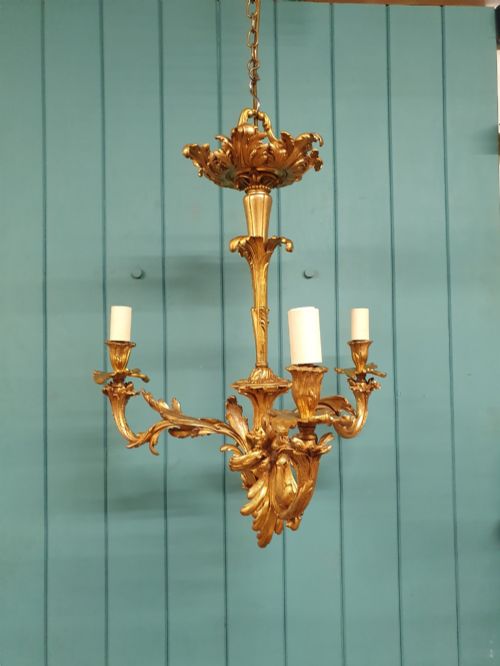
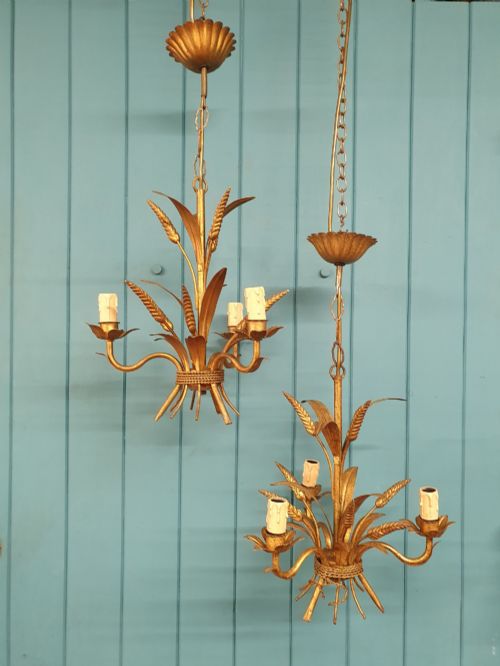
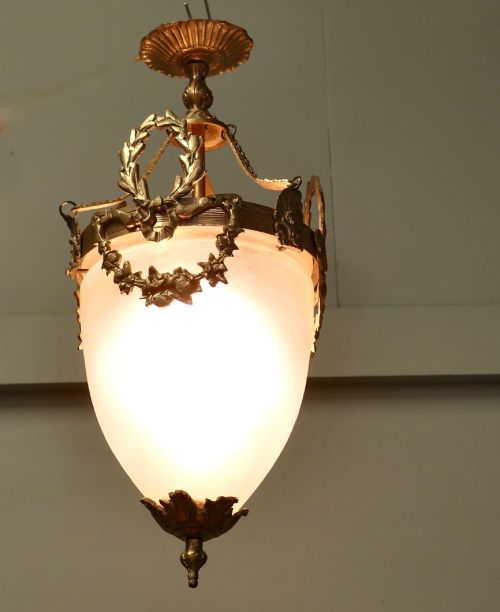
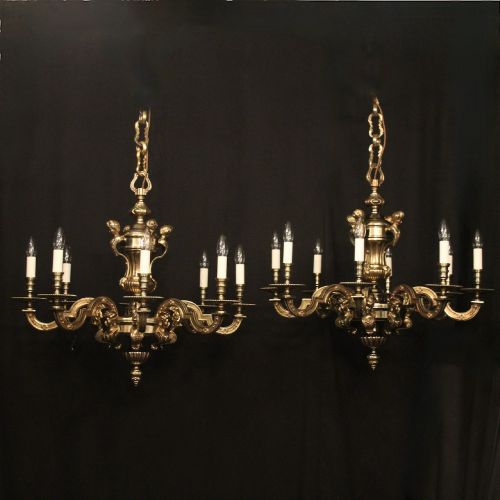
A brass chandelier fixture suspends illumination from above, bringing substantial presence and warm metal tones to a room.
Brass Chandelier Fixture
A brass chandelier fixture brings overhead lighting into domestic spaces through suspended metal frameworks. When you search for this phrase, you encounter multi-armed ceiling lights designed to distribute illumination across a room.
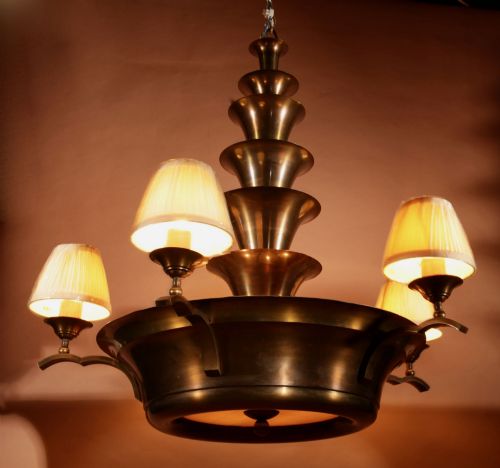
The selections span the nineteenth century through the early twentieth century, encompassing Edwardian examples and nineteen-thirties designs. French chateau, Art Deco, Gothic Revival, and Neoclassical styles dominate the forms.
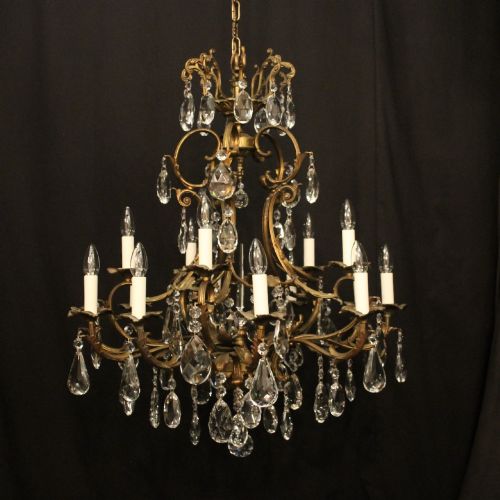
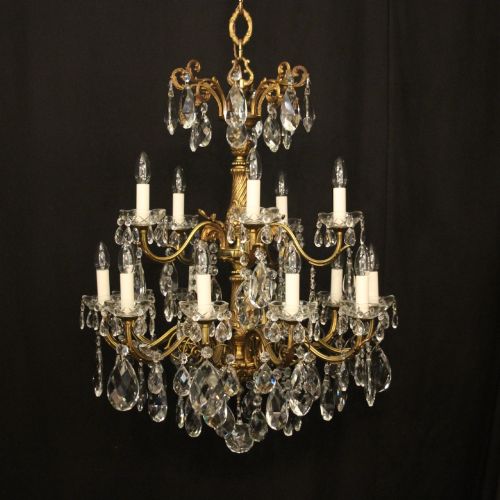
Most pieces originate from French workshops, with Dutch and Italian examples also appearing. Common configurations range from simple four-light brass pendants to elaborate fifteen-light gilded bronze and crystal arrangements.
Construction and materials
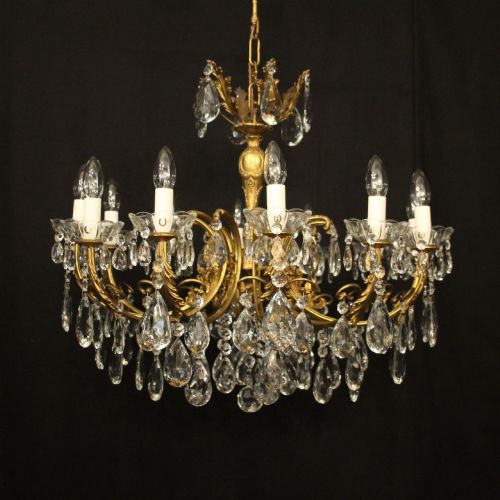
Metalwork forms the structural core, utilising brass, gilt bronze, gilded bronze, ormolu, and silvered bronze. Smiths and founders cast and chased these metals into arms, frames, and decorative mounts.
Refractive elements frequently accompany the metal structure. Cut glass, crystal, and cut crystal drops, spandrels, and beads hang from frames to scatter light.
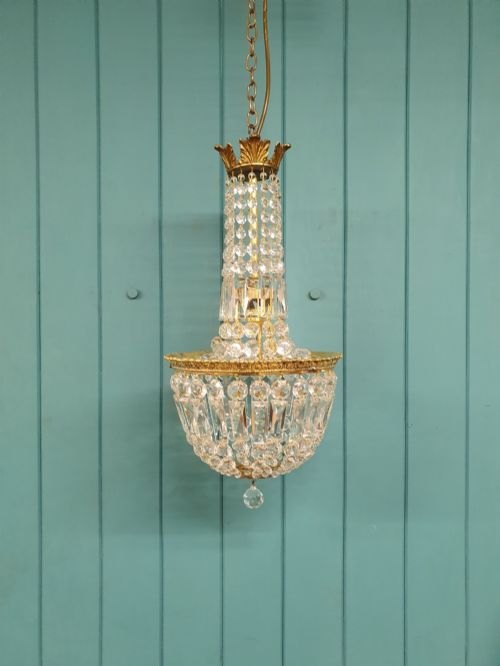
Specific forms incorporate secondary materials such as porcelain flowers or copper details. Birdcage, tent and waterfall, and multi-tiered configurations organise the metal armature and glass drops into hierarchical structures.
Brass Chandelier Fixture Retail Price Guide 2026
Typical asking prices for brass chandelier fixture among the pieces listed under this phrase on Sellingantiques today, from the lower quarter to the upper quarter. They describe what is for sale here now, not the wider market.
Certain early twentieth-century creations include tiny porcelain flowers mixed into the metalwork, proving that even a light source needs a garden.
Distinctions in manufacture
The precision of the metal casting dictates the definition of surface ornament and acanthus leaves. Finer pieces display crisp chasing work on bronze and brass components rather than soft, rounded edges.
The integration of crystal elements determines visual cohesion. Heavy cut glass and crystal components with sharp facets reflect light with greater intensity than pressed or moulded glass alternatives.
Scale and structural ambition separate standard domestic fixtures from grander examples. Multi-tiered frames, numerous light arms, and complex birdcage or tent designs require advanced engineering to support the combined weight of metal and glass.
The Brass Chandelier Fixture Glossary
- Ormolu
- Gilded bronze produced by applying a mercury and gold amalgam to a bronze base and heating it. This technique creates a durable golden surface finish characteristic of French luxury lighting.
- Tent and waterfall
- A lighting configuration where strings of crystal beads form an upper conical tent above a cascading cluster of drops. It creates a layered silhouette that maximises light refraction.
- Birdcage
- A metal frame construction shaped like an aviary or open cage, often wrapped in crystal strands. This style gained popularity in French lighting design.
- Lyre
- A decorative motif shaped like an ancient stringed musical instrument incorporated into the central frame or backplate. It appears frequently in Neoclassical designs.
- Spike chandelier
- A fixture featuring distinct protruding crystal spires or spears arranged around the central body. These elements emphasise vertical lines in early twentieth-century designs.
Brass Chandelier Fixture: Frequently Asked Questions
How do I hang a heavy brass chandelier?
Suspension requires securing the fixture directly into ceiling joists or installing a heavy-duty electrical box rated for the combined weight of metal and crystal. Professional installation ensures the wiring and support chains safely bear the load.
Height placement depends on room function and ceiling clearance. Dining room fixtures generally hang lower over tables, while hallway or entryway lights sit higher to maintain clearance.
What styles are available in these fixtures?
The available lighting encompasses several historical revivals and period aesthetics. French Rococo, Empire, Neoclassical, and Gothic styles represent the decorative influences of the nineteenth and early twentieth centuries.
Art Deco designs also appear, offering streamlined geometric alternatives to ornate nineteenth-century forms. Italian and Dutch workshops contribute regional interpretations using brass, bronze, and crystal.
How do I clean an antique crystal chandelier?
Maintenance involves dusting the metal frame and individual crystal drops regularly with a soft cloth. For thorough cleaning, apply a mild solution of warm water and gentle soap directly to the glass components while they remain attached.
Avoid spraying liquid cleaning products directly onto old brass or bronze surfaces, as moisture can damage patinated finishes. Dry all crystal elements completely to restore their refractive clarity.
How can I tell the period of a fixture?
Dating relies on stylistic markers, construction techniques, and material combinations. Nineteenth-century pieces often feature heavy bronze castings and elaborate Neoclassical or Gothic revival motifs.
Early twentieth-century and Edwardian examples shift toward lighter constructions, sometimes incorporating Art Deco geometry or simplified birdcage and tent configurations.