



Brass Chandelier Crystal Prisms
Brass chandelier crystal prisms bring brilliant refracted light into a room, combining heavy metal frames with hanging glass drops.
Brass Chandelier Crystal Prisms
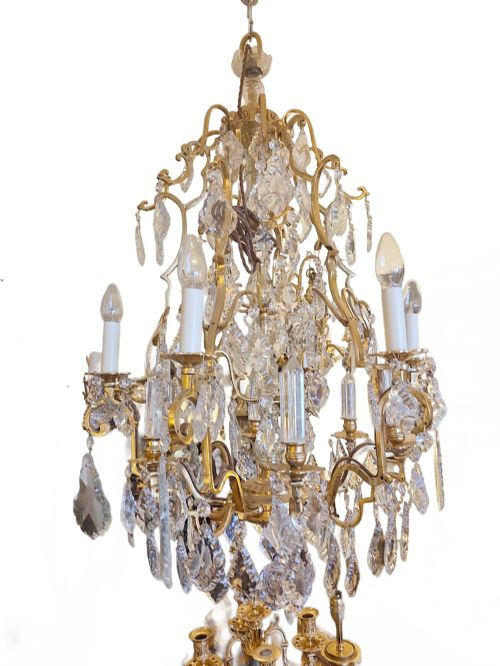
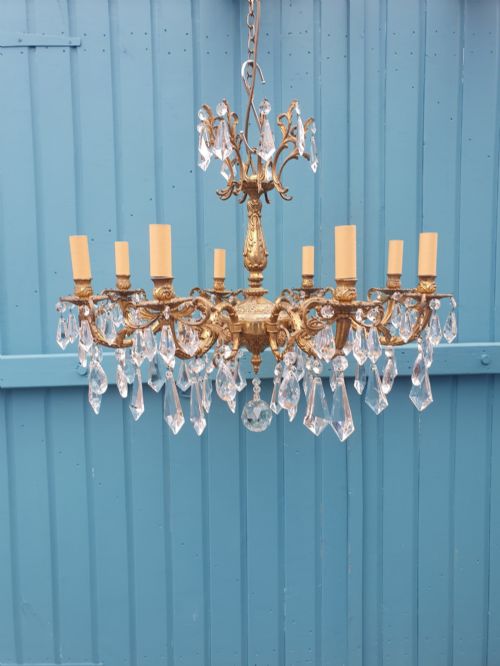
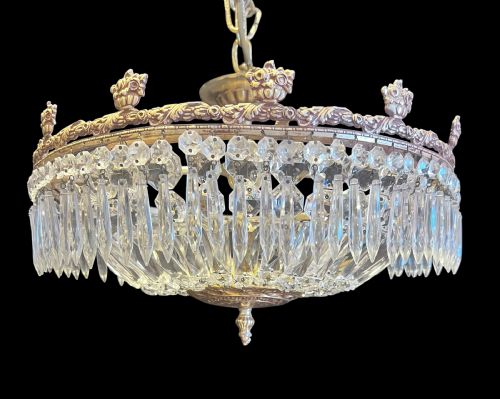
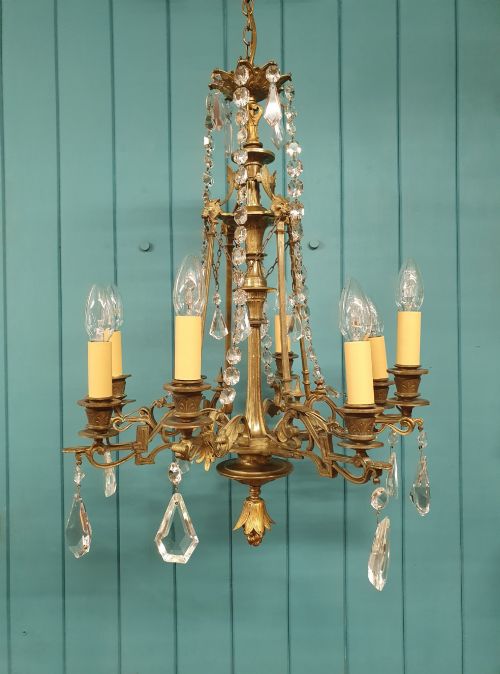
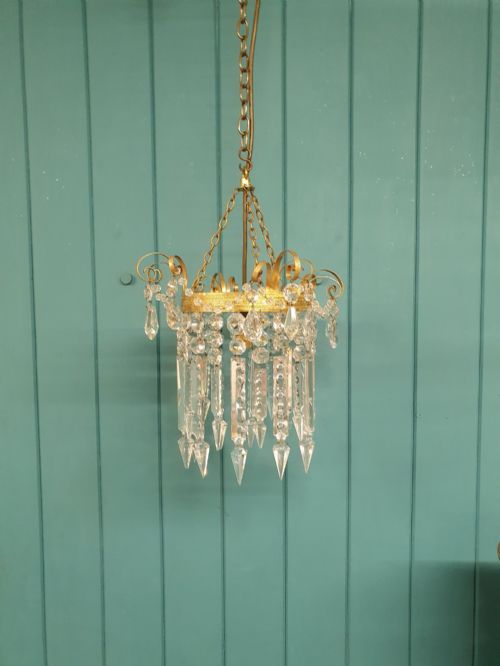
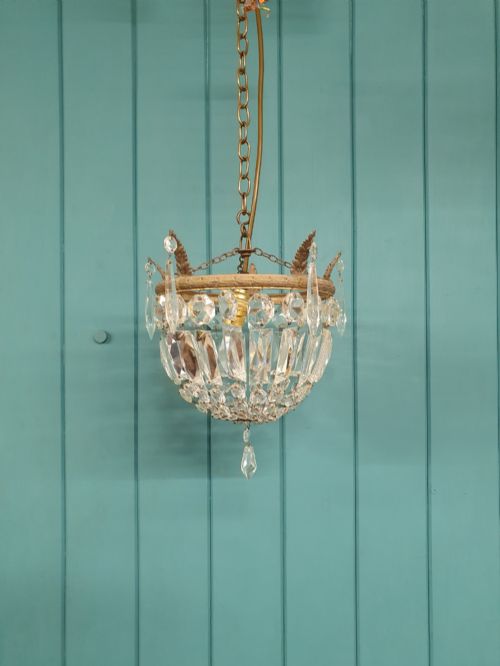
Brass chandelier crystal prisms encompass ceiling lights and pendants originating across the nineteenth and early twentieth centuries, spanning Edwardian, Victorian, and French stylistic influences. When searching for brass chandelier crystal prisms, buyers encounter forms ranging from small single tier ceiling fixtures to large multi arm candelabra structures.
Materials and construction methods
Frames are constructed from brass or gilded bronze, providing a sturdy metallic armature to support the weight of suspended glass elements. These metal structures are cast or formed into arms, rings, and decorative mounts, sometimes incorporating detailed motifs such as lion masks.
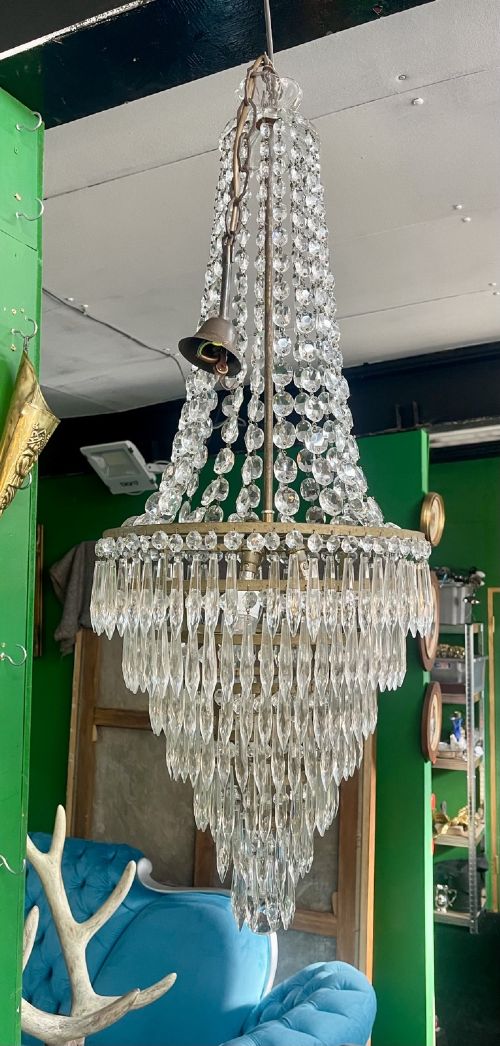
Cut glass, lead crystal, and plain glass are shaped into drops, prisms, coffin drops, beads, and swags. These glass components are wired or pinned together to form cascades, tiers, and bag shapes that refract light from the internal light sources.
Brass Chandelier Crystal Prisms Retail Price Guide 2026
Typical asking prices for brass chandelier crystal prisms among the pieces listed under this phrase on Sellingantiques today, from the lower quarter to the upper quarter. They describe what is for sale here now, not the wider market.
Several early twentieth century pieces incorporate prison bag structures, offering a surprisingly robust cage design for adventurous hallways.
Evaluating quality and craftsmanship
The standard of a fixture depends on the precision of the brass casting and the clarity of the glass elements. Finely cast metalwork displays crisp detail in mounts and arms, while high quality crystal shows superior cutting and light refraction.
Proportion and structural integration set finer examples apart, where the scale of the brass frame balances the density and arrangement of the glass drops, lustres, and swags.
The Brass Chandelier Crystal Prisms Glossary
- Coffin prism
- A prismatic glass drop shaped with flat facets resembling a traditional coffin silhouette. These cuts direct light sharply across a room.
- Tent and waterfall
- A lighting configuration featuring an upper tent of glass beads leading down to a wider cascading waterfall of drops. This layered construction maximises glass density.
- Lustre
- A pendant glass drop or hanging prism attached to a lighting fixture. Lustres catch and scatter illumination from the bulbs or candles.
- Spike chandelier
- A vertical ceiling light design centred on a prominent downward pointing glass or brass spike. It forms a compact profile popular in smaller rooms.
Brass Chandelier Crystal Prisms: Frequently Asked Questions
How do I clean a brass and crystal chandelier?
Maintenance involves gently wiping the brass frame with a dry cloth and washing individual glass prisms by hand using mild soapy water. Each drop should be dried thoroughly before being reattached to the metal armature.
Taking down the glass components one section at a time prevents confusion regarding their original placement on the swags and wires.
What rooms suit a small prism chandelier?
Compact fixtures with crystal prisms work well in hallways, entryways, cloakrooms, and bedrooms with lower ceilings. Their reflective glass helps brighten confined spaces without dominating the room's proportions.
Positioning the light at an appropriate height ensures the hanging drops remain safe from accidental contact while still casting refracted patterns.
How do French styles differ from Edwardian pieces?
French lighting designs from this era often incorporate gilded bronze, elaborate cage or tent frameworks, and Classical or Rococo ornamentation. They tend to lean towards grander multi arm configurations and heavy crystal deployment.
Edwardian alternatives frequently present cleaner lines, including spike profiles, smaller basket forms, and simpler brass mountings suited to domestic interiors of the period.
Can these antique chandeliers be rewired for modern use?
Most antique lighting fixtures can be adapted to accept modern electrical standards by a qualified professional. Rewiring ensures the internal components meet current safety regulations while preserving the historic frame and glass work.
Consulting an electrician allows for the retention of original sockets or the discreet integration of contemporary lamp holders suited to low energy bulbs.