
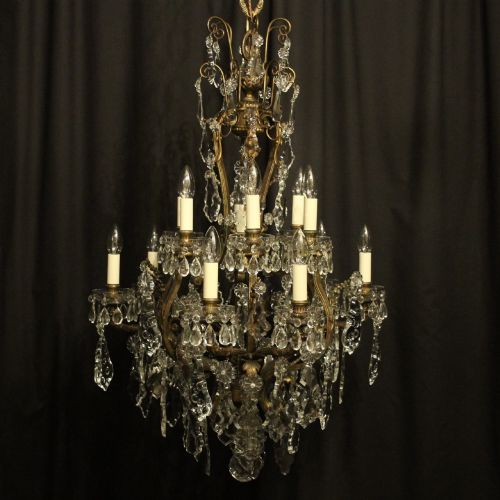

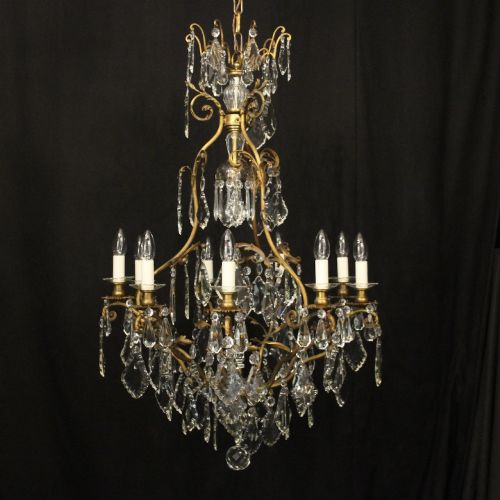
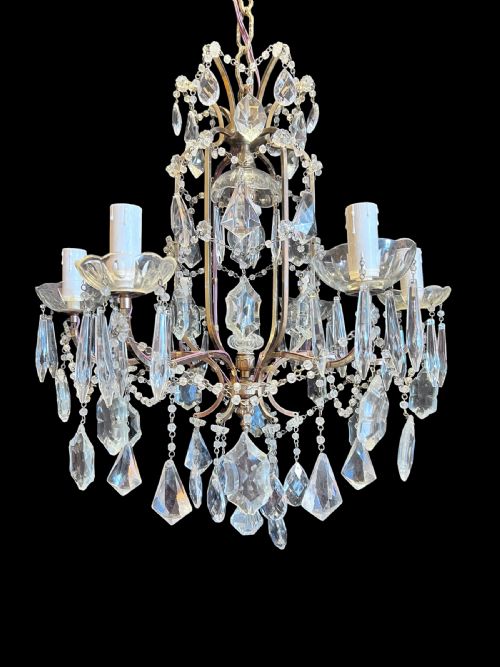
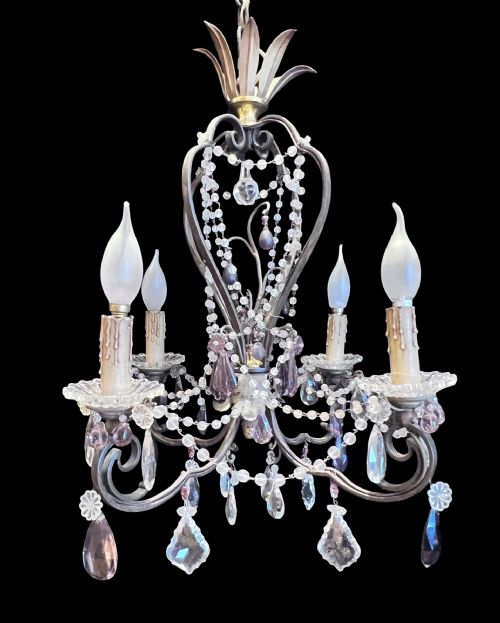


Brass Caged Light
A brass caged light delivers directional illumination through enclosed metal frames, bringing practical industrial and nautical character into domestic interiors.
Brass Caged Light
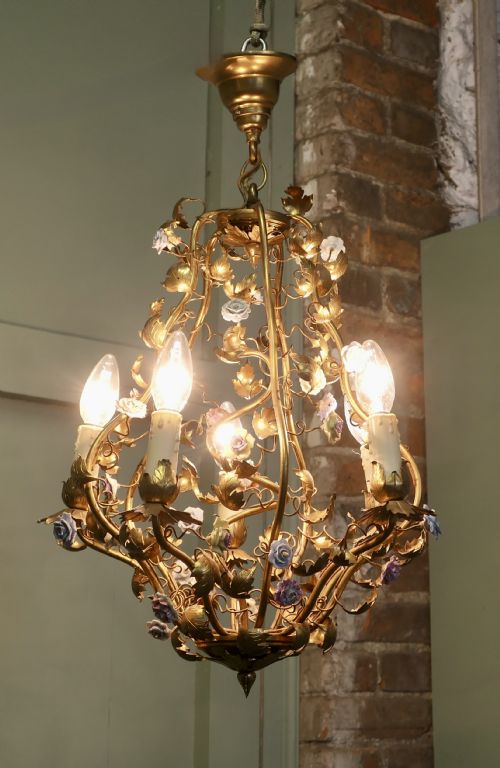
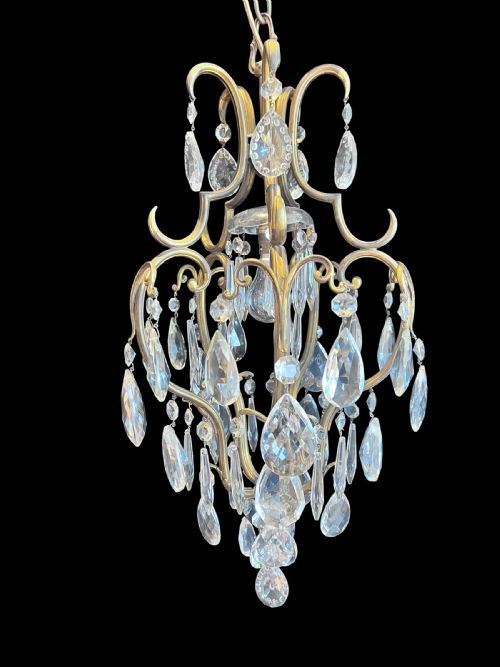
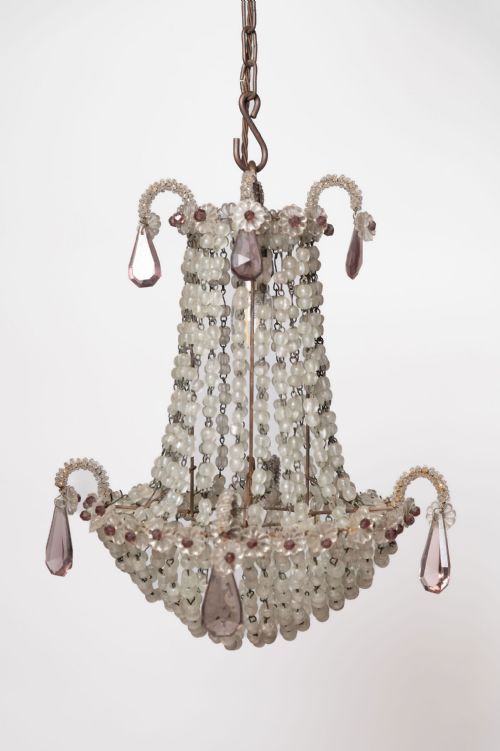
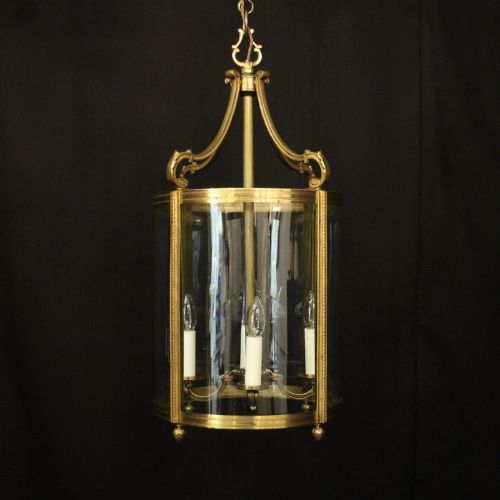
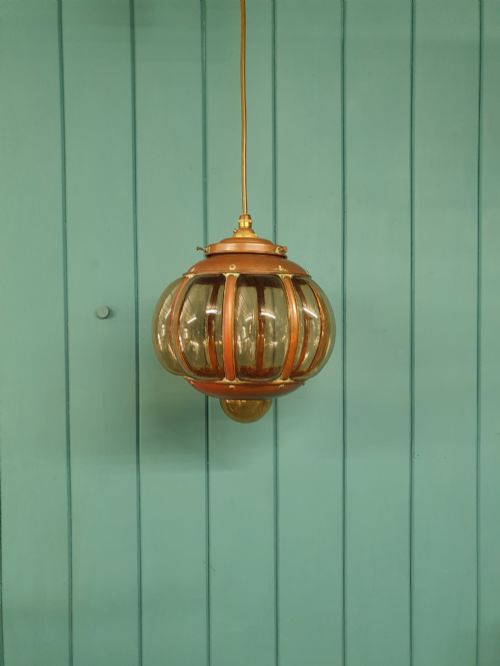
When buyers search for a brass caged light, they encounter sturdy hanging lanterns, pendant lights, and wall lights originating from the nineteenth and early twentieth centuries. These fixtures combine structural metal frameworks with protective glass elements designed for utility in hallways, ships, and country houses.
The selections on this page span the Victorian era, Edwardian period, and the 1920s and 1930s, reflecting diverse manufacturing hubs across Britain and continental Europe. Buyers regularly find designs ranging from simple nautical pendants to ornate French hall lanterns and gilt brass configurations.
While many examples lean toward utilitarian maritime or industrial roots, others incorporate fine decorative casting styles influenced by French neoclassical and rococo traditions. The core characteristic uniting them all remains the protective metal cage surrounding the glass body.
Materials and construction methods
Makers constructed these fixtures primarily using cast or spun brass, copper, and gilt bronze, often pairing the metal frames with clear, smoked, or bevelled glass panels. This combination provided robust protection for the interior light source while maximising illumination.
Artisans secured the glass within the metal cages using screws, hinges, and soldered joints designed to withstand movement and moisture. The metal components frequently received applied finishes such as gilding or patination to enhance their visual depth.
Many a Victorian sea captain likely blinked at finding his sturdy shipboard lamp repurposed inside a stately French chateau hallway.
Assessing quality in enclosed lighting
The distinction between standard examples and superior pieces rests on the weight of the metal framework and the precision of the casting. Heavy, solid brass or bronze cages with crisp detailing denote higher workshop standards than thin, pressed sheet metal alternatives.
Glass selection further separates the tiers, with thick bevelled or hand-blown glass panels indicating superior craftsmanship compared to plain, thin machine-made replacements. Original patination and intact structural hardware complete the markers of a well-preserved survivor.
La Mason Bagues
The Brass Caged Light Glossary
- Cage chandelier
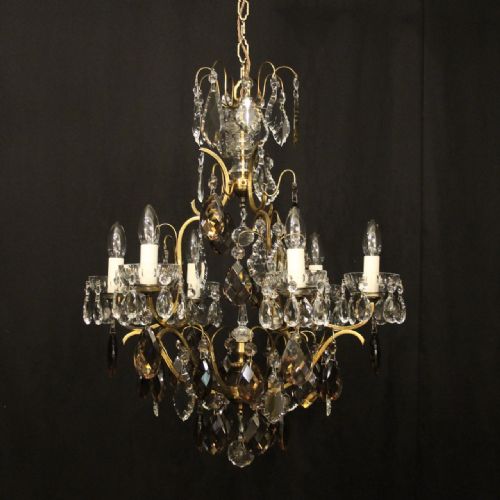
- A lighting fixture featuring an open metal armature enclosing the internal lights and crystal drops. This framework gives the profile its distinctive enclosed silhouette.
- Bevelled glass
- Glass panes featuring ground and polished slanted edges around the perimeter. This treatment catches and refracts light as it passes through the cage.
- Gilt bronze
- Copper alloy treated with a thin layer of gold or gold-coloured finish. It provides a rich metallic surface that resists tarnishing over decades.
- Hall lantern
- An enclosed ceiling-hung light fixture traditionally placed in entranceways and corridors. These pieces often utilise protective glass panels within a metal frame.
- Ormolu
- Finely chased and gilt bronze ornament applied to decorative objects and light fixtures. The technique produces a bright, luxurious surface finish popular in nineteenth-century design.
Brass Caged Light: Frequently Asked Questions
Where should I hang a brass caged light?
These fixtures suit hallways, porches, and high-traffic corridors where durable enclosed lighting is practical. Their compact or structured profiles also work effectively in kitchens and boot rooms.
Ensure ceilings are high enough to accommodate hanging lanterns safely, particularly in spaces with constant movement. Wall-mounted variants provide robust illumination beside exterior doors or along staircases.
Are these lights suitable for modern wiring?
Most antique fixtures require professional rewiring to meet contemporary electrical safety standards before installation. Modern cables and lamp holders integrate easily into the existing internal channels of these metal frames.
Consult a qualified electrician to check the load capacity and ensure the fixture safely supports contemporary LED or incandescent bulbs.
How do I date a brass caged light?
Examine the construction techniques, screw types, and mounting hardware used in the metal frame. Hand-cut threads, heavy casting, and specific patination styles often point to Victorian or Edwardian origins.
Stylistic cues such as French neoclassical motifs or utilitarian nautical influences help narrow the manufacture decade between the late nineteenth century and the 1930s.