



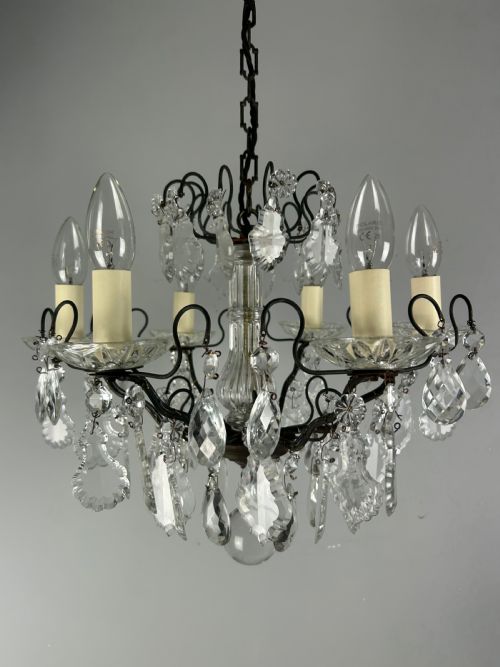

Brass Cage Light Fixture
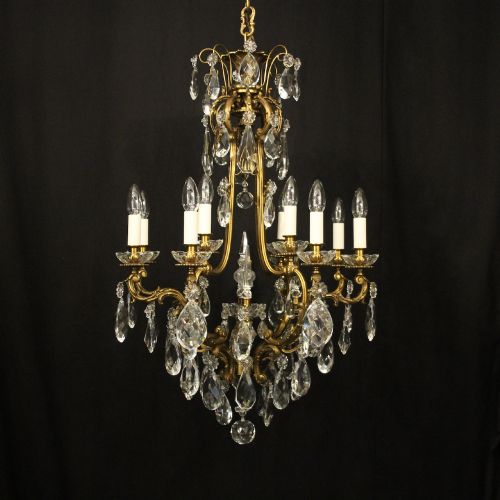
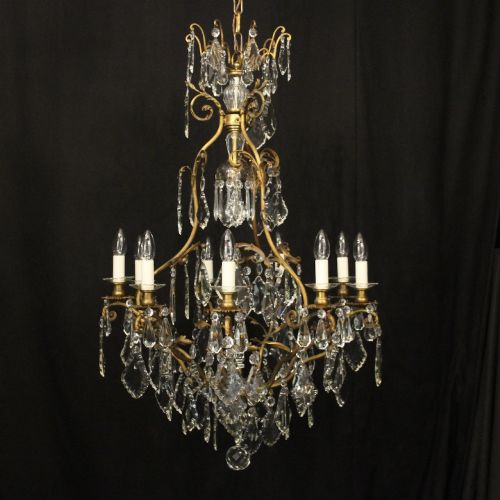
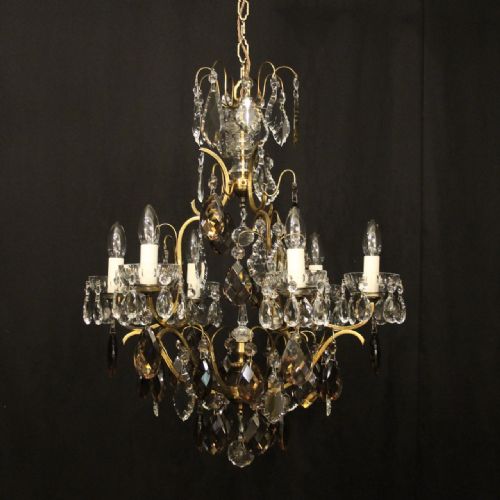
A brass cage light fixture brings heavy metal framework and sparkling crystal drops together to anchor a room.
Brass Cage Light Fixture
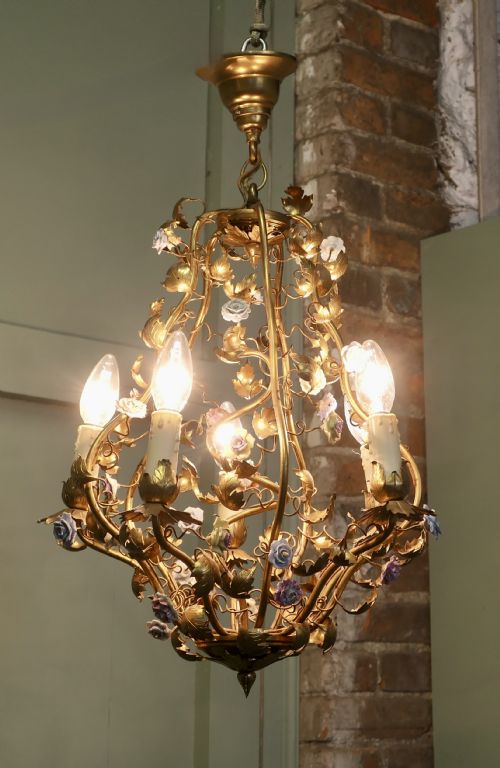
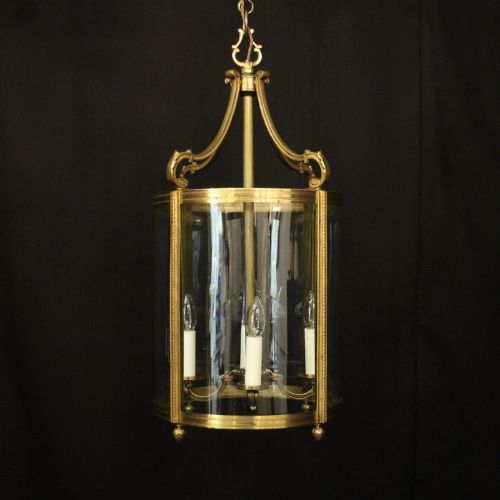
A brass cage light fixture encompasses open-frame chandeliers and hanging lanterns designed to enclose bulbs or candles within a structured metal armature. The selection here leans heavily towards French and Italian examples dating from the nineteenth century up through the nineteen-thirties, with Edwardian pieces also represented.
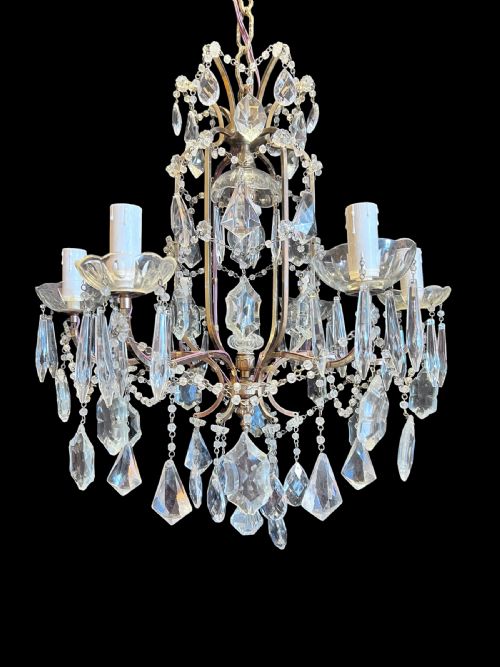
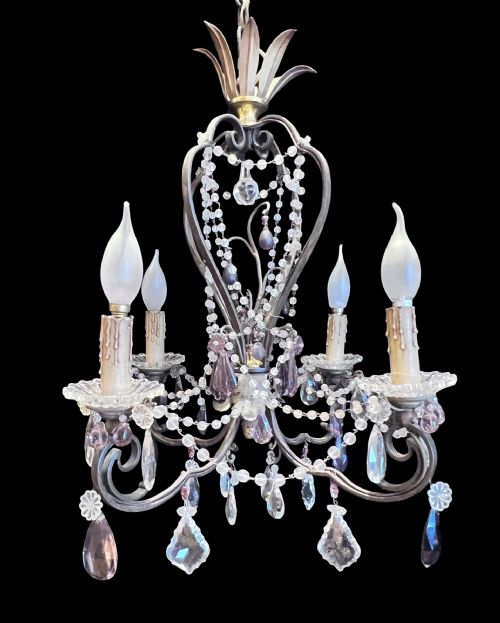
Buyers will most frequently encounter multi-light chandeliers featuring brass, gilded bronze, or gilt metal frameworks. These range from compact three-light fixtures to grand twelve-light and fifteen-light compositions adorned with crystal drops and prisms.
Materials and construction
The construction relies on sturdy metal armatures fashioned from brass, dark brass, copper, iron, or gilded bronze to form the structural cage. Artisans then wired or pinned cut glass, crystal, and occasionally ceramic flowers or coloured fruits directly to the metal framework.
Many of the examples utilise gilt finishes, silver gilding, or patinated dark brass to accentuate the intricate metalwork. Drop crystals and prisms are suspended from the cage structure to refract light outward across the room.
Materials appearing across the current inventory include solid brass, gilt bronze, copper, smoked glass, and cut crystal alongside coloured fruit adornments.
Judging the work
Quality rests in the substance of the metal frame and the clarity of the suspended glass or crystal elements. Heavier cast bronzes and meticulously chased brass frames sit firmly above simpler, lighter sheet-metal constructions.
The precision of the crystal cutting and the completeness of the original prisms dictate the finish of the piece. Finer examples display a cohesive balance between the density of the metal cage and the abundance of glass drops.
La Mason Bagues
The Brass Cage Light Fixture Glossary
- Birdcage
- A style of chandelier characterised by a curved metal framework resembling the profile of an avian cage. These frames often taper at top and bottom while housing internal candle arms.
- Gilt metal
- Base metal treated with a thin layer of gold leaf or gilt paint to simulate solid gold. This technique was widely utilised across nineteenth and early twentieth century lighting.
- Prism
- A cut glass or crystal pendant suspended from a chandelier to refract light. Prisms vary in shape from simple tears to complex coloured fruits.
- Pendant light
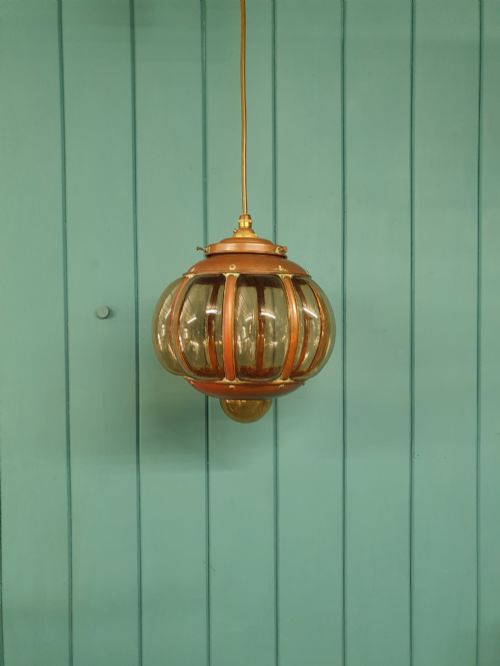
- A single light fixture suspended from the ceiling by a chain, cord, or metal rod. These fixtures hang directly down rather than spreading light across multiple horizontal arms.
- Toleware
- Enamelled and painted metalware used for decorative elements on light fixtures. It frequently takes the form of painted flowers or leaves integrated into the metal frame.
Brass Cage Light Fixture: Frequently Asked Questions
How do I clean a crystal cage chandelier?
Cleaning requires removing the delicate crystal drops and washing them individually in warm soapy water before drying with a soft cloth. The brass or bronze frame should be dusted gently with a dry brush to preserve the patination.
Harsh chemical cleaners must be avoided as they can strip the gilt finish or damage the surrounding metalwork. Taking time during the process ensures the prisms retain their sharp refractive quality.
What rooms suit a brass cage light fixture?
These fixtures suit dining rooms, hallways, and living spaces where high ceilings allow the hanging frame and crystal drops to catch the eye. Their structured metalwork provides a defined focal point above a central table or seating area.
Smaller single-tier or pendant versions work well in more compact rooms or entryways. The scale of the fixture should match the proportions of the space to maintain proper balance.
How do I date an antique brass light?
Dating relies on examining the casting methods of the brass or bronze frame and the specific style of the glass components. Nineteenth-century examples often feature heavier cast metalwork and hand-cut crystal drops compared to later twentieth-century iterations.
Wiring methods and screw types can also offer clues, though many fixtures have been rewired for modern use. Comparing the decorative motifs against known periods helps narrow down the decade of manufacture.
Are these fixtures wired for modern electricity?
Most antique fixtures found on the market have been adapted for contemporary electrical standards while retaining their original frames. Buyers should inspect the internal wiring or consult a qualified electrician to ensure safety compliance.
Adapting a vintage piece allows it to function reliably without altering its historic exterior appearance. Using lower-wattage or LED candle bulbs helps protect fragile crystal and glass from excessive heat.