



Brass Box Clock
A brass box clock brings precision engineering into domestic and maritime spaces, offering tactile mechanical interest alongside polished metal housings.
Brass Box Clock
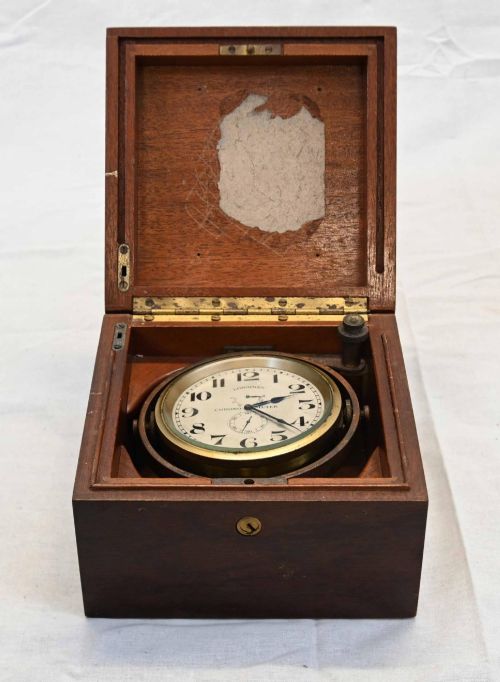
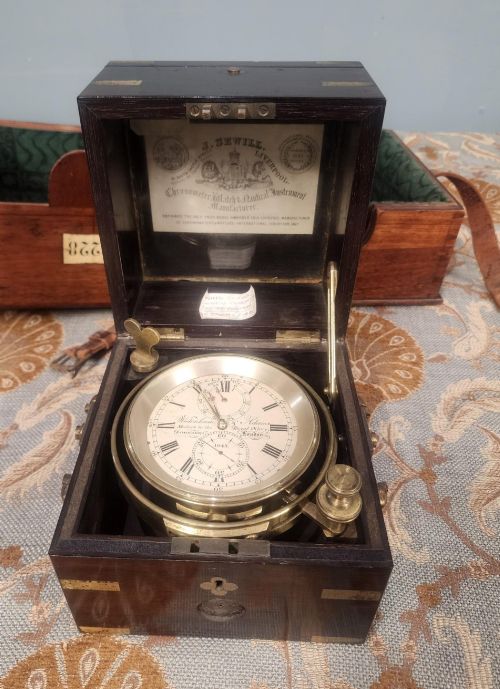
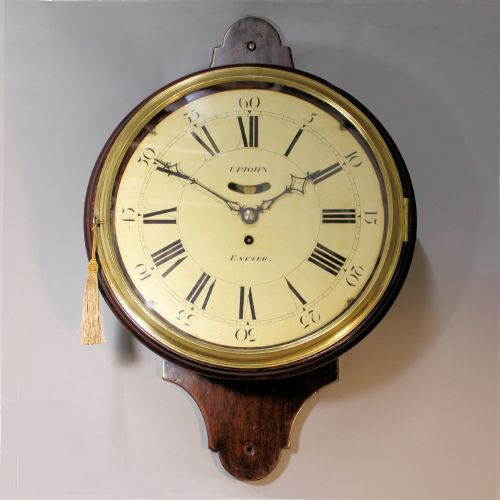
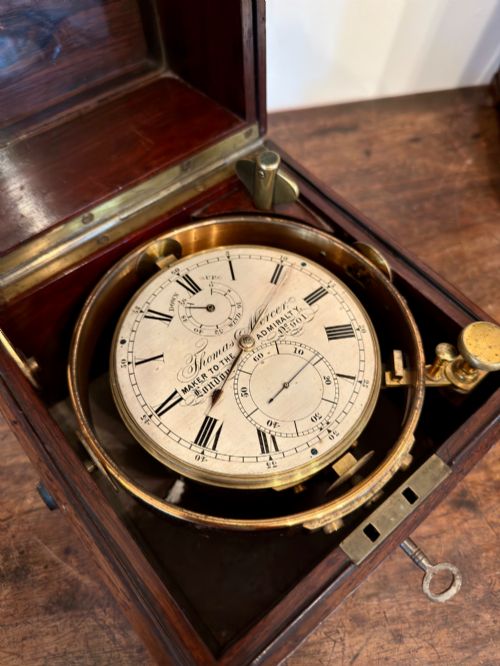
A brass box clock encompasses a varied selection of timepieces housed within rigid enclosures, ranging from marine chronometers and carriage clocks to wall-mounted dial clocks and specialised signal box instruments. Buyers searching for a brass box clock encounter pieces spanning the eighteenth, nineteenth, and twentieth centuries, reflecting both traditional domestic styles and utilitarian maritime or railway applications.
Dating ranges from the Georgian and Regency eras through the Victorian period and into mid-century modern designs, incorporating materials such as enamel dials, silvered metal, and glass panels. Whether examining an 18th-century salt box wall clock or a mid-century Jaeger-LeCoultre Atmos clock, each form demonstrates the specific functional requirements of its original setting.
Materials and construction
The primary structural material across these pieces is brass, frequently utilised for protective outer cases, bezels, and internal gear trains, sometimes appearing as gilt brass or gilt bronze. Wood housings in mahogany and rosewood provide sturdy backings and surrounds for wall-mounted and dial variants.
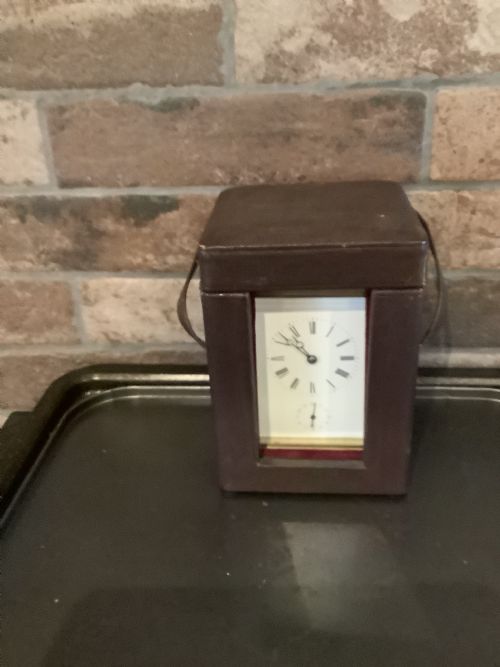
Enamel and silvered metal form the legible dial faces, protected by glazed bezels and glass panels that allow visibility of the escapements and gear movements. Leather and wood frequently constitute the secondary protective transport boxes associated with precision marine chronometers and carriage clocks.
Brass Box Clock Retail Price Guide 2026
Typical asking prices for brass box clock among the pieces listed under this phrase on Sellingantiques today, from the lower quarter to the upper quarter. They describe what is for sale here now, not the wider market.
Form variations range from marine chronometers and railway signal box instruments to French carriage clocks and wall-mounted fusee dials.
Assessing quality and preservation
Quality in these timepieces rests upon the precision of the mechanical movement, evident in complications such as fusee escapements, repeating strikes, alarm functions, and marine chronometer exactitude. The integrity of the housing, whether a heavy gilt bronze gorge case or a polished mahogany wall surround, further distinguishes high-tier examples.
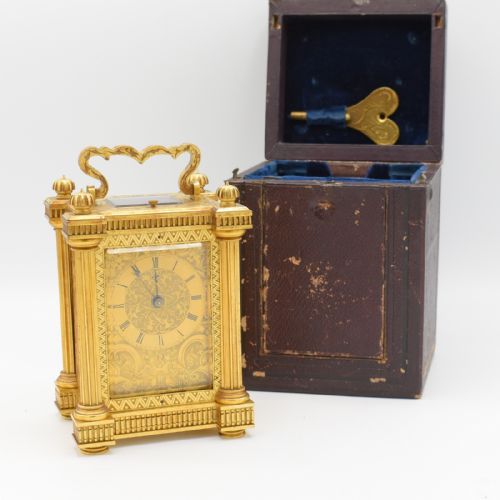
The presence of original associated elements, including fitted wooden boxes, manufacturer paperwork, keys, and original dials, elevates the standing of a piece significantly. Finer makers demonstrate superior finishing on internal components and crisp engraving on dial faces and backplates.
Upjohn of Exeter·Mercer of London·Howell & James London·Thomas Mercer·Litherland Davies Of Liverpool·L Epee·Jaeger LeCoultre·Smith·John Thwaites·James McCabe·Drocourt
The Brass Box Clock Glossary
- Fusee
- A conical pulley used in older clockwork to maintain even tension on the gear train as the mainspring unwinds. This mechanism helps to ensure consistent timekeeping.
- Carriage clock
- A small, spring-driven timekeeper designed for travel, typically featuring a brass frame with glass panels and a folding handle on top.
- Marine chronometer
- A highly accurate portable timekeeper used at sea for determining longitude by celestial navigation.
- Gorge case
- A distinct style of brass carriage clock housing characterised by stepped mouldings and glazed side panels.
- Verge escapement
- An early type of mechanical escapement utilising a crown wheel and a rod with pallets to regulate the drop of power.
Brass Box Clock: Frequently Asked Questions
What is a brass box clock?
A brass box clock is a portable or fixed timekeeper housed primarily in a brass enclosure, encompassing items such as marine chronometers, carriage clocks, and specialised railway dial clocks.
These pieces combine robust metal housing with intricate mechanical movements designed for transport or specific professional environments.
How do you wind a carriage clock?
Winding typically involves inserting a specialised key into the winding arbour located on the backplate or base of the movement, turning it gently until resistance is felt.
Care must be taken not to overwind the mainspring, ensuring the longevity of the delicate gear train inside the brass case.
Where were carriage clocks used?
Carriage clocks were originally designed for wealthy travellers during the nineteenth century, allowing them to keep accurate time while moving by horse-drawn carriage or train.
Over time, they transitioned into popular domestic mantelpieces and presentation items.
How do you distinguish older periods?
Distinguishing periods relies on observing stylistic markers, such as the heavy gilt bronze framing of 19th-century French pieces compared to earlier Georgian dial surrounds or mid-century modern minimalism.
Signatures, movement types, and accompanying documentation like original boxes and papers also help establish the era of manufacture.