

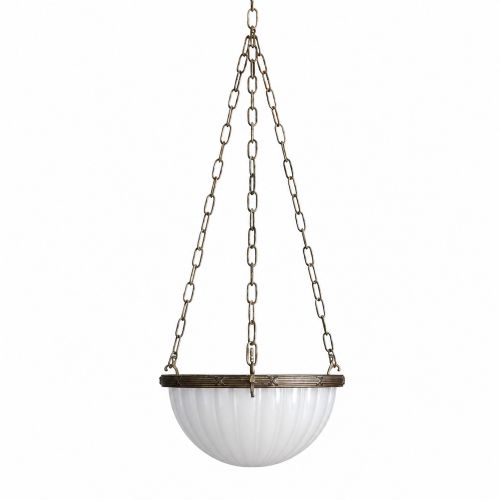


Brass Bowl Pendant Light
These brass bowl pendant light pieces combine utilitarian metalwork with decorative glass to illuminate period spaces with warm, diffused overhead lighting.
Brass Bowl Pendant Light
A brass bowl pendant light sits overhead, suspended from ceilings to cast illumination downwards through glass or alabaster basins. When buyers search for a brass bowl pendant light, they encounter hanging dishes, plafonniers, and chandeliers ranging from Victorian examples to Art Deco designs.
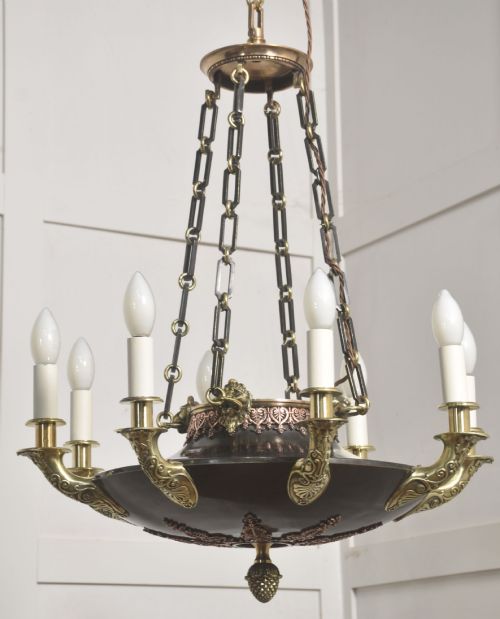
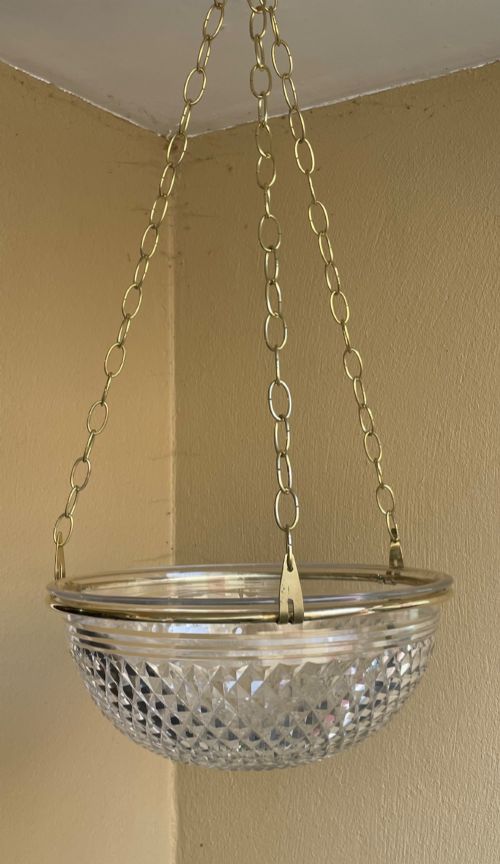
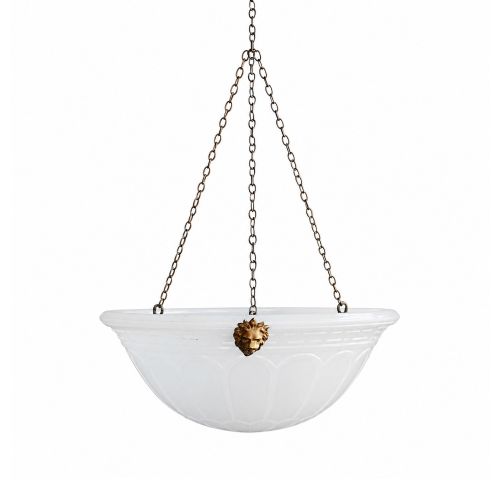
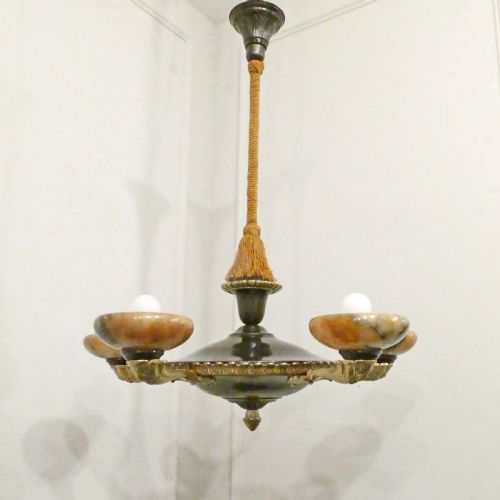
The selections on this page span several decades, featuring Edwardian cut glass pieces alongside 1930s alabaster hanging dish lights. Formats vary from simple single-suspension bowls to multi-light chandeliers employing bronze, copper, and brass frameworks.
How they were made
Makers shaped structural components from brass, bronze, and copper, forming mountings, chains, and suspension rings that support heavy glass and stone bowls. Metal elements undergo casting and turning to create the supportive hardware required for overhead weight distribution.
Diffusing bowls utilise cut glass, frosted glass, moonstone, opalescent glass, mirrored glass, and white alabaster. These materials are moulded, cut, or carved into basins and clam shell forms designed to soften and spread light evenly across a room.
Brass Bowl Pendant Light Retail Price Guide 2026
Typical asking prices for brass bowl pendant light among the pieces listed under this phrase on Sellingantiques today, from the lower quarter to the upper quarter. They describe what is for sale here now, not the wider market.
Listings feature brass, bronze, and copper paired with cut glass, frosted glass, moonstone, crystal, and alabaster across Victorian, Edwardian, and Art Deco periods.
What varies in quality
The sophistication of the glasswork dictates the character of the piece, distinguishing moulded utilitarian shades from intricately cut crystal or carved alabaster basins. Weight and depth of the materials determine both the visual presence and the structural substance of the hanging fixture.
Metalwork execution shifts between simple spun brass collars and heavy bronze castings ornamented in Empire or Neoclassical styles. The refinement of the suspension fittings and the integration between metal mounts and stone or glass bowls define the overall standard of manufacture.
The Brass Bowl Pendant Light Glossary
- Plafonnier
- A ceiling-mounted or close-hung bowl light that directs illumination upwards or downwards. These fixtures sit relatively flat against or close to the ceiling line.
- Moonstone
- A type of semi-translucent art glass with a milky appearance that diffuses light softly. It appears frequently in early twentieth-century lighting.
- Alabaster
- A fine-grained stone used for carved bowls that allows light to glow through its natural veining. English examples from the interwar period utilise this material for hanging dish lights.
- Empire Revival
- A decorative style drawing on nineteenth-century classical motifs such as laurel wreaths, urns, and bold symmetry. Fixtures from this design vocabulary employ bronze and brass mounts.
Brass Bowl Pendant Light: Frequently Asked Questions
How do I hang a bowl pendant?
These fixtures suspend from ceilings using chains, rods, or wired suspensions attached to robust structural hooks. Professional electrical installation ensures the weight of the metal and glass bowl is safely supported.
Ceiling height dictates the drop length of the pendant, particularly for larger chandeliers and hanging dish lights. Matching the suspension hardware to the period of the fitting maintains historical consistency.
What is a plafonnier light?
A plafonnier is a bowl-shaped ceiling light that sits close to the overhead surface or hangs on a short suspension. These fixtures originated in France and became popular across Edwardian and Art Deco interiors.
The enclosed or semi-enclosed bowl design conceals the bulb while spreading ambient illumination across the room. They suit hallways, bedrooms, and rooms with lower ceiling clearances.
How do I date these lights?
Stylistic markers such as Edwardian cut glass, Art Deco opalescent finishes, and Victorian bronze mounts help assign fixtures to specific eras. Manufacturing techniques and materials like early twentieth-century moonstone glass provide further chronological clues.
Examining the metal alloy, wiring channels, and fixing methods reveals the period of production. Comparing the decorative vocabulary against documented design movements confirms the decade.
Where should I use alabaster bowls?
Alabaster hanging dish lights provide soft, warm illumination suited to principal living spaces, dining rooms, and hallways. The dense stone diffuses glare while highlighting natural mineral veining.
Because alabaster is heavy, these fixtures require secure ceiling joist anchorages. Their classic Neoclassical and Art Deco lines complement both period properties and minimalist interiors.