



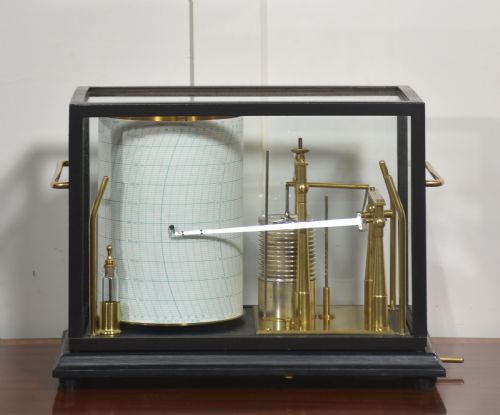


Brass and Wood Instrument
A brass and wood instrument brings together precision brass mechanics and rich mahogany, rosewood, or oak cases from Georgian and Victorian workshops.
Brass and Wood Instrument
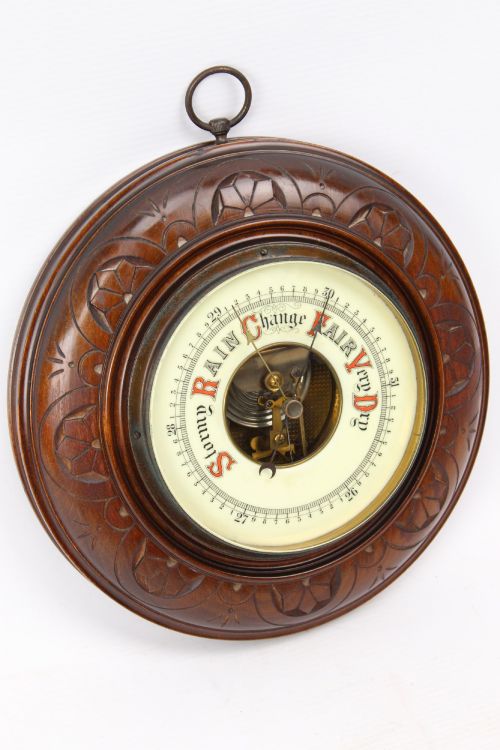
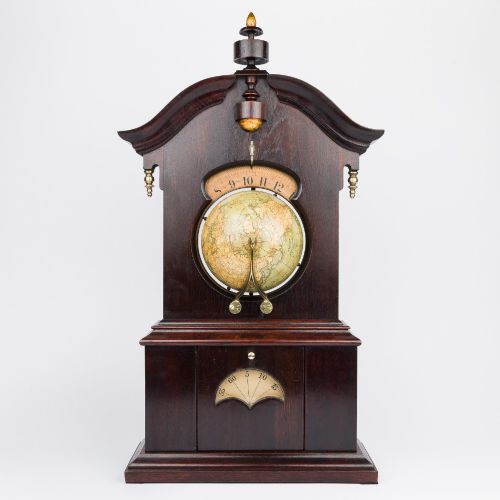
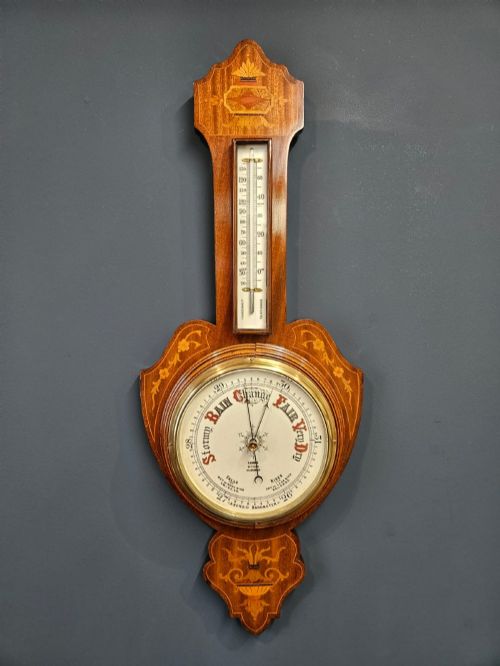
When you search for a brass and wood instrument, you encounter scientific and domestic apparatus from the Georgian, Victorian, and Edwardian eras. These objects combine functional utility with traditional cabinetmaking, housing brass dials, tubes, and bezels inside fitted wooden enclosures.
Makers utilised contrasting materials to create items that served practical purposes in houses, offices, and aboard ships. The combination of polished metalwork and figured timber defines the visual character of the category.
Materials and construction
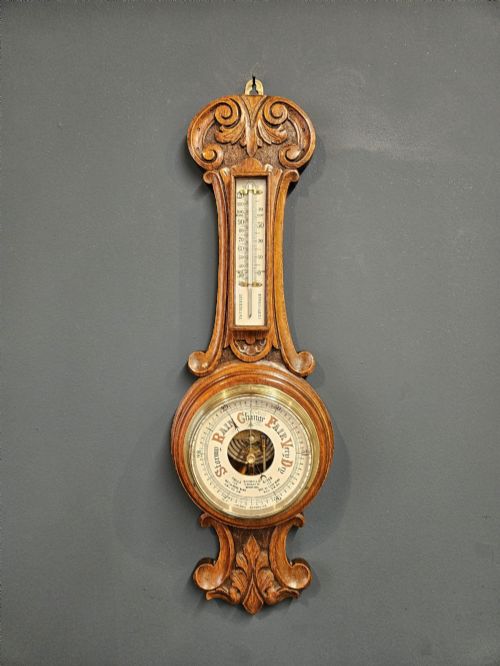
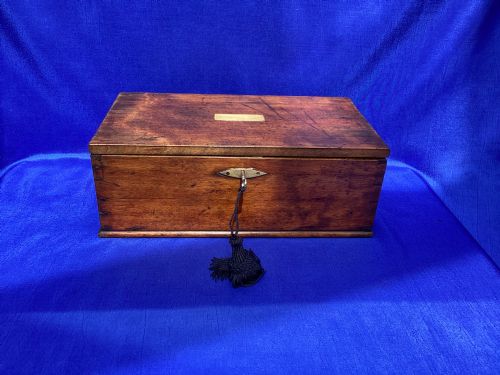
Makers constructed the housings using dense timbers such as mahogany, rosewood, walnut, and oak, often incorporating satinwood stringing or intricate carved details. These woods provided stability for delicate internal mechanics while offering a polished exterior finish.
Brass formed the primary material for dials, bezels, barometer tubes, and structural mountings, polished to a bright finish or lacquered to prevent tarnishing. Glass protected delicate paper scales, mercury tubes, and clock faces from dust and damage.
Joinery techniques included dovetailed corners for instrument cases and precise turned bezels for dials. Paper charts and printed scales were mounted inside barographs and aneroid barometers to record meteorological data.
Brass and Wood Instrument Retail Price Guide 2026
Typical asking prices for brass and wood instrument among the pieces listed under this phrase on Sellingantiques today, from the lower quarter to the upper quarter. They describe what is for sale here now, not the wider market.
What separates examples
Quality rests in the precision of the internal mechanics and the refinement of the timber case. Finer pieces feature skeletonised movements, hand-engraved brass dials, and cabinetwork with book-matched veneers or careful inlay.
Short and Mason·Negretti and Zambra·Holtzapffel and Co·John Gilbert·Alexander Wright·W Watson and Sons
The Brass and Wood Instrument Glossary
- Aneroid barometer
- A device that measures atmospheric pressure utilising a flexible metal box without liquid. It expands or contracts with pressure changes, moving a needle across a brass dial.
- Barograph
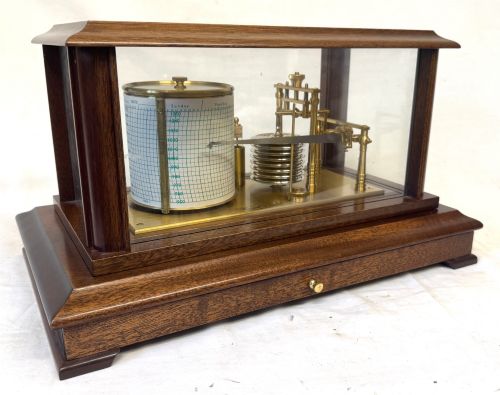
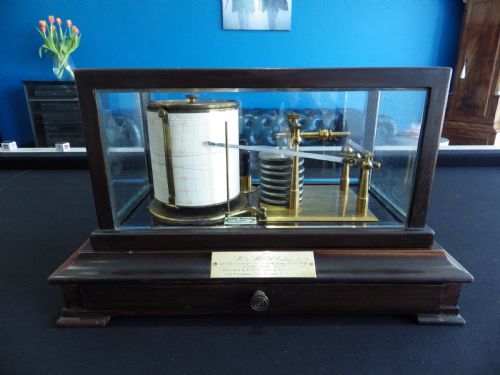
- A recording meteorological instrument that draws barometric pressure fluctuations onto a rotating drum holding paper charts. These devices usually sit within a mahogany or oak case with a glazed lid and chart drawer.
- Stick barometer
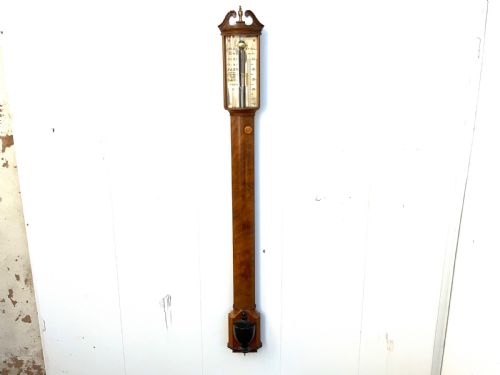
- A tall, vertical instrument containing a mercury-filled glass tube mounted on a wooden board. They often feature exposed cistern covers and vernier scales for precise readings.
- Skeletonised movement
- A clock or barometer mechanism with open plates that expose the internal gears and springs to view. This style allows the observer to inspect the brass workings directly through the dial.
- Fortin barometer
- A precise mercury barometer featuring an adjustable cistern floor to set the mercury level accurately to a fixed ivory point. These were standard for scientific observation.
Brass and Wood Instrument: Frequently Asked Questions
How do I read a stick barometer?
A stick barometer measures atmospheric pressure through the height of a mercury column inside a glass tube. You observe the top of the column against the graduated scale, using any attached vernier scale for exact measurements.
Rising mercury indicates improving weather, while falling mercury points toward approaching storms. The wooden backboard holds the tube steady and mounts to the wall with hanging brackets.
How do barographs record weather?
Barographs use a series of stacked aneroid metal boxes that respond to changes in air pressure. This movement transfers through levers to an inked arm that traces a line onto paper secured to a clockwork drum.
The rotating drum completes one revolution per week, providing a continuous graphical record of atmospheric conditions. Users store replacement paper charts in a fitted drawer beneath the main mechanism.
How do I maintain a wooden barometer case?
Keep wooden instrument cases away from direct sunlight and heat sources to prevent the timber from drying or cracking. Dust the polished mahogany, rosewood, or oak surfaces regularly with a dry cloth.
Apply a microcrystalline wax occasionally to nourish the timber grain without building up heavy residues. Avoid using liquid polishes that might seep into joints or damage delicate brass bezels.