





Brass and Wire Fender
These brass and wire fender pieces offer essential protection for hearths, combining sturdy wire mesh frames with polished brass rails to keep rooms safe.
Brass and Wire Fender
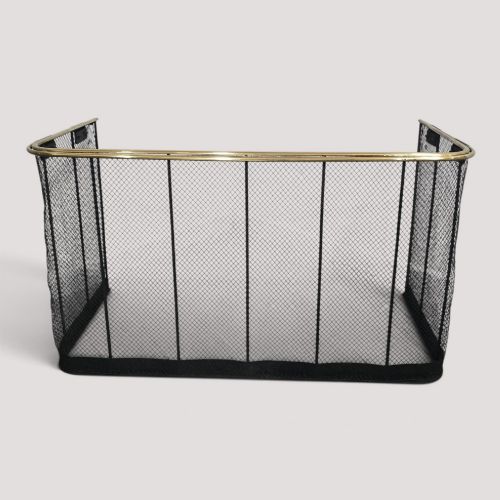
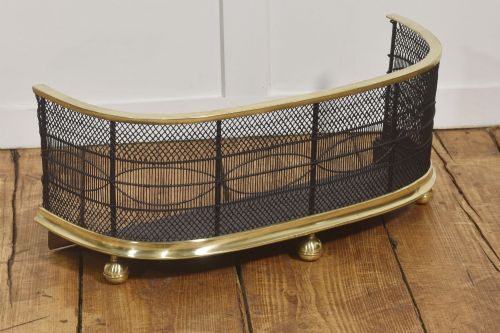
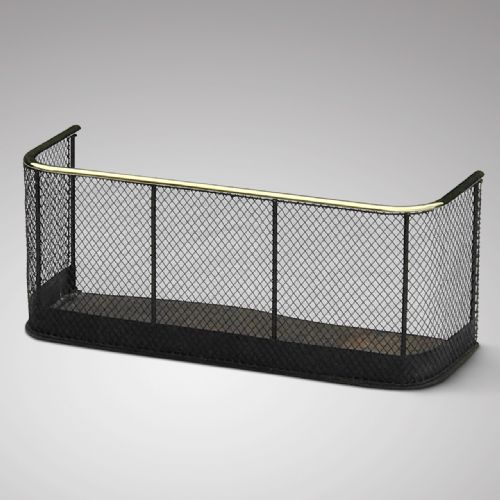
When you search for a brass and wire fender, you are looking at hearth guards designed to contain sparks and keep children or clothing safely away from open fires. The pieces you meet on this page span the Regency, Victorian, and nineteenth-century periods, taking forms such as fireguards, nursery fenders, and fireplace screens.
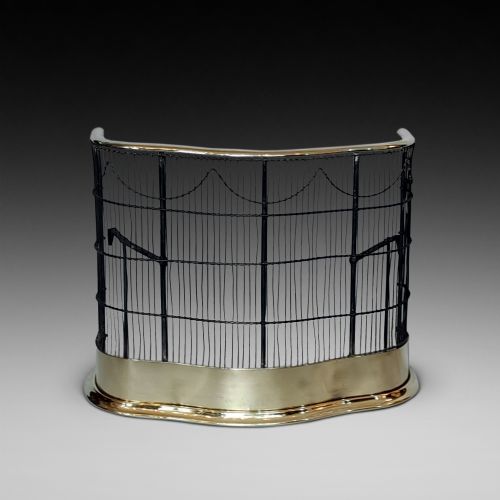
Most examples combine a robust metal frame with fine wire mesh or woven iron wire, topped by a characteristic polished brass rail or rim. You will encounter both straight frames and curved shapes like bowed or serpentine designs that extend around the hearth.
How they were made
These items were constructed using combinations of brass, iron, and steel wire, joined to form durable protective barriers. Makers utilised woven iron wire and wire mesh for the body, allowing heat to radiate while blocking stray embers.
Frames incorporated solid brass top rails or rims, sometimes including additional practical elements like clothes rails for warming garments near the fire.
Brass and Wire Fender Retail Price Guide 2026
Typical asking prices for brass and wire fender among the pieces listed under this phrase on Sellingantiques today, from the lower quarter to the upper quarter. They describe what is for sale here now, not the wider market.
Listings span the nineteenth century, including specific Regency and Victorian period pieces made from brass, iron wire mesh, and steel.
What varies in quality
Quality in these pieces is determined by the precision of the wirework and the solidity of the brass framing. Finer examples display tightly woven mesh and substantial brass top rails that maintain their structural integrity.
The sophistication of the shape also separates standard pieces from finer ones, with well-formed serpentine curves and bowed frames requiring greater skill from the maker.
The Brass and Wire Fender Glossary
- Nursery fender
- A tall protective guard designed specifically to encircle a hearth and prevent children from getting too close to the fire. These often feature clothes rails along the top.
- Serpentine fire guard
- A fire guard featuring a gently undulating, wave-like curved front. This shape required more advanced metalworking skill to construct than a straight guard.
- Wire mesh
- A flexible material formed by interlacing metal wires, used across these guards to let heat pass through while stopping sparks. It forms the main body of many nineteenth-century pieces.
- Brass rail
- The polished metallic upper border of a fender or guard. It provides a clean finished edge and a convenient handhold or drying rail.
Brass and Wire Fender: Frequently Asked Questions
What is a brass and wire fender?
A brass and wire fender is a protective hearth screen made from a combination of wire mesh and brass framing. These pieces were built to contain sparks and maintain a safe distance between the fire and the room.
They appear in various period styles, including Regency and Victorian designs, often incorporating a sturdy top rail.
How were nursery fenders used?
Nursery fenders were placed around open fireplaces in family rooms to keep children and domestic items safely away from flames. The tall frames acted as a complete barrier.
Some examples included integrated rails specifically designed for airing or warming clothes near the hearth.
What materials make up these guards?
These guards are constructed primarily from brass, iron, and steel wire. The body typically consists of woven iron or steel wire mesh.
The structural framework and decorative top borders are made from brass and iron components.
How do I identify a Regency fire guard?
Regency fire guards reflect the neoclassical styles of the early nineteenth century. They feature specific period framing and construction techniques characteristic of that era.
Comparing the form and metalwork details against dated examples helps confirm the period of origin.