

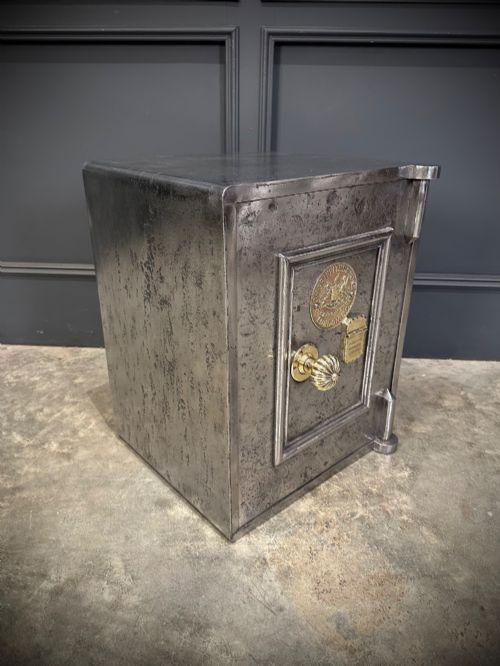
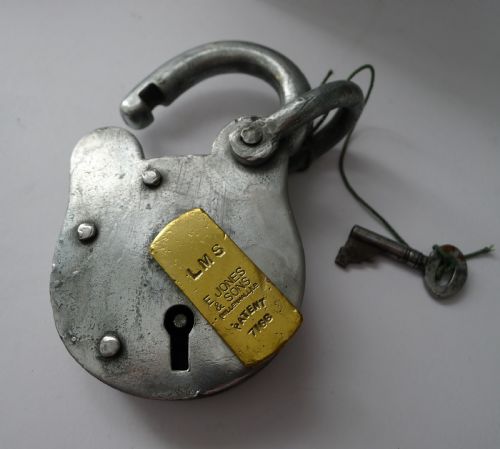


Brass and Steel Lock
A brass and steel lock is a sturdy mechanism of security and design, built to last through centuries of everyday use.
Brass and Steel Lock
When you search for a brass and steel lock, you encounter functional security devices and firearm ignition mechanisms spanning several centuries. These items combine the strength of ferrous metals with the warmth and corrosion resistance of copper alloys.
The objects on this page include utilitarian door hardware, domestic padlocks, heavy safe mechanisms, and the intricate lockplates of flintlock and percussion pistols. Georgian and Victorian examples dominate the selection, showing how makers integrated brass embellishments into steel frames.
Originating from British, European, and Ottoman workshops, these pieces range from railway security devices to military sidearms. Each specimen demonstrates the practical application of mixed metals for strength and visual contrast.
Materials and construction
Makers formed the primary mechanisms and springs of these locks from hardened steel to withstand tension and wear. Brass plates, mounts, and keys provided a softer, non-rusting contrast that accepted decorative engraving and casting.
Cabinet makers and locksmiths integrated wood elements such as walnut into box locks and pistol stocks, securing them with brass pins and plates. Secondary materials like bone and mother-of-pearl appear as decorative inlays on firearm grips and specialised enclosures.
Forging, filing, and hand-engraving defined the construction process, leaving tool marks that indicate individual craftsmanship. Locksmiths cut intricate wards and fitted brass escutcheons by hand to ensure precise operation.
Brass and Steel Lock Retail Price Guide 2026
Typical asking prices for brass and steel lock among the pieces listed under this phrase on Sellingantiques today, from the lower quarter to the upper quarter. They describe what is for sale here now, not the wider market.
Listings span from the seventeenth century to the Edwardian period, covering domestic hardware, safes, and firearm mechanisms.
Assessing quality and execution
Quality in a brass and steel lock rests upon the crispness of the mechanical components and the depth of hand-engraving on the metal surfaces. Finer examples display symmetrical mounts, well-fitted keys, and smooth interior action without excessive play.
The integration of decorative elements like mother-of-pearl inlays or cast brass embellishments distinguishes standard utility pieces from exhibition-grade work. Survival of original keys and functioning internal springs significantly elevates the desirability of any surviving mechanism.
J Robinson·A W Spires·Milners Safe
The Brass and Steel Lock Glossary
- Box Lock
- A firearm action where the lock mechanism is enclosed within a metal frame, often forged from steel with brass details. This design integrates the breech and lock into a single unit.
- Flintlock
- A mechanical ignition system for firearms that uses a flint struck against a steel frizzen to create sparks. The steel component must possess the correct temper to generate a reliable spark.
- Miquelet
- A type of snaplock firearm ignition common in the Mediterranean and Ottoman regions during the early modern period. It utilises an external mainspring and a combined frizzen and pan cover.
- Escutcheon
- A protective brass or metal plate surrounding a keyhole. It prevents the surrounding wood or material from wearing away through repeated use of the key.
- Percussion Cap
- A later ignition system that replaced flintlocks in the nineteenth century, using a small priming compound detonated by a hammer. These locks require precision steel nipples and robust hammers.
Brass and Steel Lock: Frequently Asked Questions
What is a brass and steel lock?
A brass and steel lock is a mechanical device or ignition mechanism constructed from iron alloys and copper-zinc compounds. These objects combine the functional durability of steel with the decorative properties of brass.
They encompass domestic padlocks, safe mechanisms, and firearm locks from the seventeenth century through the Edwardian era.
How do I date a brass and steel lock?
Dating relies on mechanical evolution, stylistic markers, and stamped maker marks or proof house stamps. Georgian and Victorian examples display distinct casting styles and mounting patterns.
Material choices, such as the inclusion of mother-of-pearl or specific wood types like walnut, also provide chronological context.
Are these locks still in working order?
Many of the firearm actions and padlocks retain their mechanical functionality, though their primary purpose today is historical study and display. Internal springs and mechanisms vary in condition depending on past use and storage.
Keys are often present with domestic locks, while firearm locks operate on flint or percussion principles.
How should I display a brass and steel lock?
These pieces suit stable indoor environments away from excessive moisture to protect the exposed steel from oxidation. Mounting them on stable stands allows observation of both the brass mounts and the steel inner workings.
Regular light dusting preserves the contrast between the polished steel and the warmer brass components.