






Brass and Metal Clock
A brass and metal clock unites industrial weight with domestic precision, bringing period mechanics and polished metalwork into a room.
Brass and Metal Clock
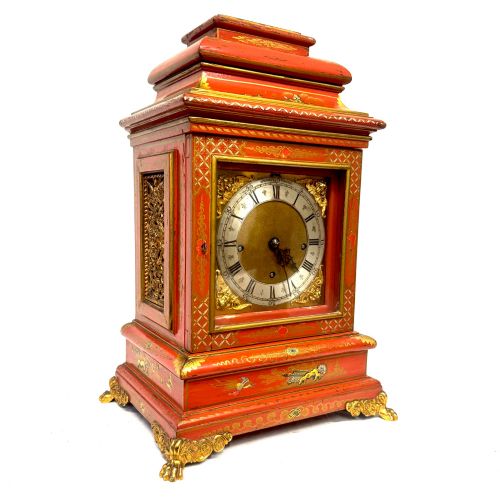
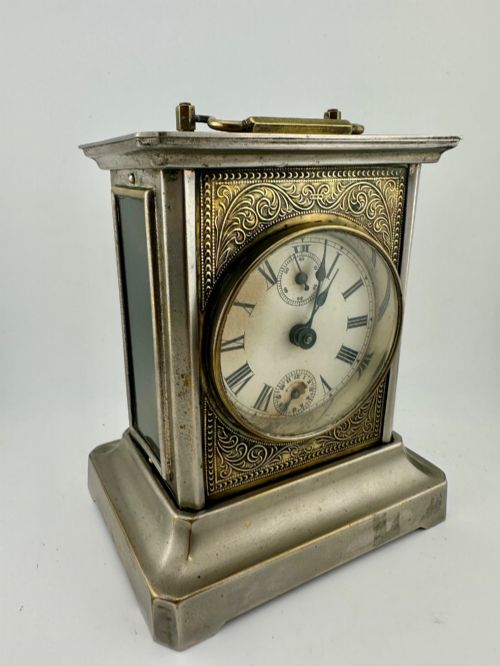
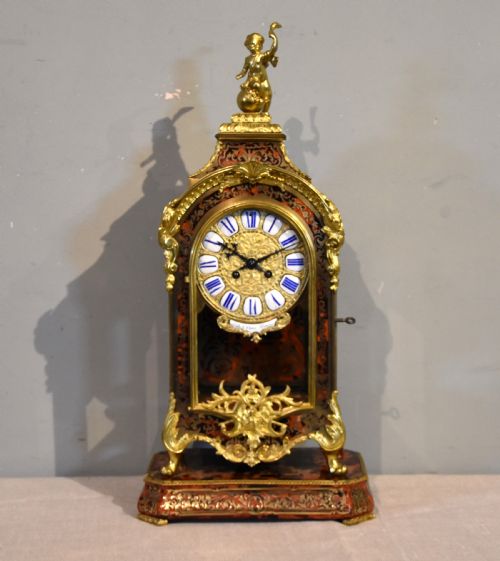
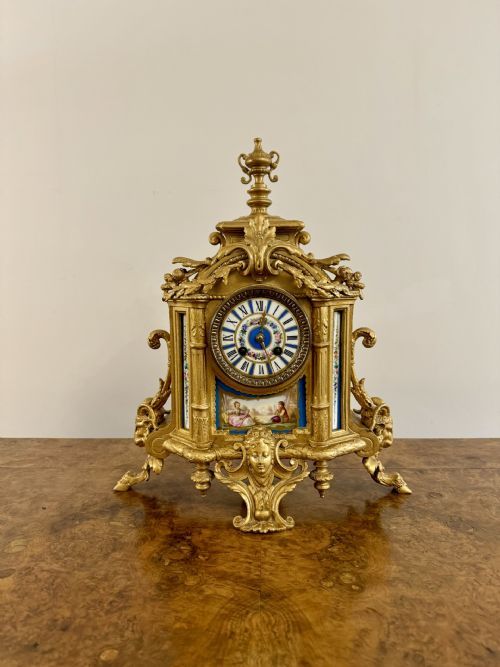
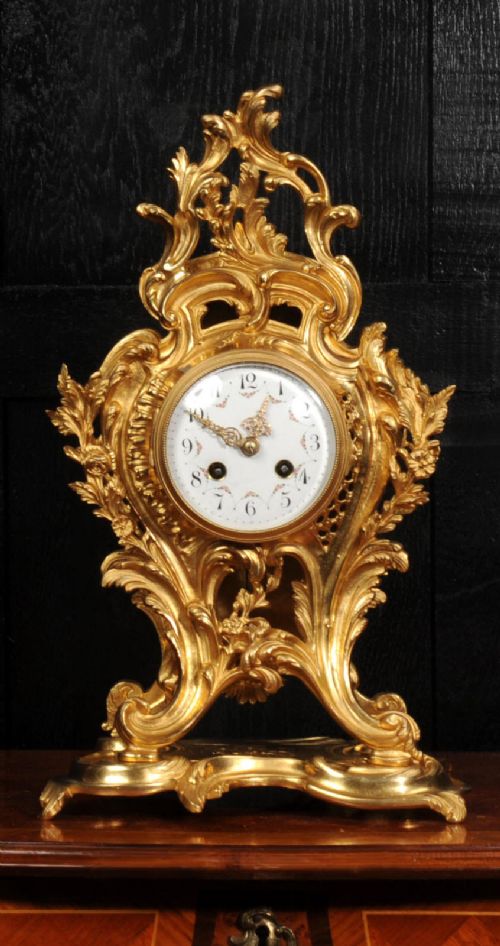
A brass and metal clock encompasses a broad sweep of timekeeping instruments, drawing heavily on nineteenth-century Victorian and Regency output alongside mid-century interpretations. You encounter these timepieces most frequently as mantel clocks, carriage clocks, and wall-mounted versions.
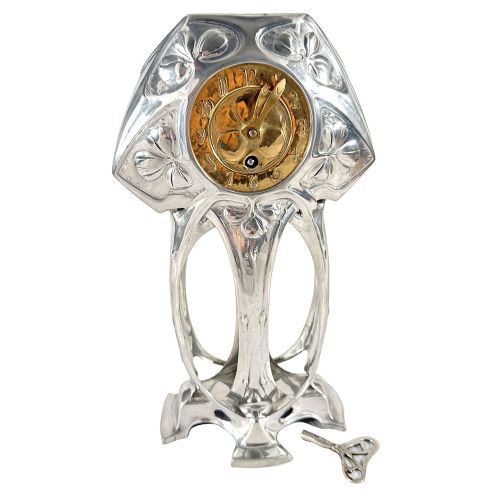
The materials span standard brass and gilt metal through to bronze, marble, porcelain, and enamel. Styles range from French Rococo Revival and Baroque to Art Deco and Gothic Revival forms.
Materials and Manufacture
Constructors utilised cast brass, gilt bronze, and ormolu mounts fixed to ebonised wood, marble, or ceramic bodies. Enamel dials and porcelain plaques provide contrasting surfaces for painted numerals and fine metal hands.
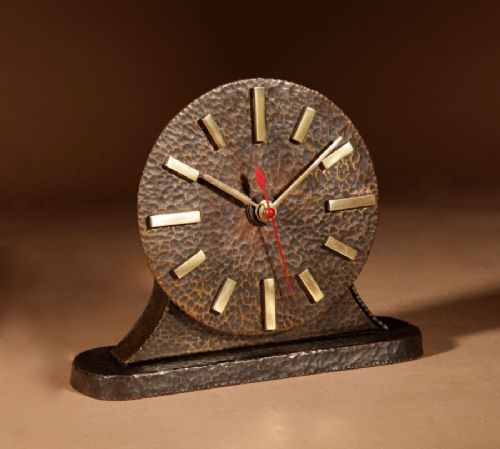
Movements incorporate fusee chains, pendulum regulation, and striking mechanisms. Artisans employed hammer-patinated finishes, intricate wire inlays, and champlevé enamel work to enrich the metal surfaces.
Brass and Metal Clock Retail Price Guide 2026
Typical asking prices for brass and metal clock among the pieces listed under this phrase on Sellingantiques today, from the lower quarter to the upper quarter. They describe what is for sale here now, not the wider market.
Listings feature periods from the Regency era through to mid-century modern designs, utilising brass, gilt bronze, marble, porcelain, and enamel.
Variations in Quality
Finer examples demonstrate crisp chasing on gilt bronze mounts, heavier gauge brass cases, and precision-cut gear trains by known makers. Poorer construction shows soft casting detail, plain plated finishes, and erratic timekeeping movements.
The integration of materials dictates distinction, as seen where hand-painted porcelain or champlevé enamel is harmonised with solid brass framing rather than superficial gilding on base metals.
John Barwise of London·Japy Freres·Mathias Bauerle·P.H Mourey·Jaeger LeCoultre
The Brass and Metal Clock Glossary
- Ormolu
- Gilt bronze produced by applying a mercury-gilded amalgam to cast brass or bronze. This technique creates a rich, durable gold-coloured surface common on nineteenth-century French cases.
- Fusee
- A conical pulley used in spring-driven clocks to equalise the declining power of the mainspring as it unwinds. It ensures consistent force reaches the escapement for accurate timekeeping.
- Champlevé
- An enamelling technique where troughs are dug into a metal surface and filled with vitreous enamel powder before firing. The metal partitions remain visible between the fired colour.
- Carriage clock
- A small, portable spring-driven clock with a carrying handle, originally designed for travellers. They often feature repeating mechanisms and glass panels revealing the escapement.
- Cartel clock
- An ornamental wall clock mounted in an asymmetrical, scrollwork frame typically cast in gilt bronze or metal. The style developed during the French Rococo period.
Brass and Metal Clock: Frequently Asked Questions
How do I wind an antique brass clock?
Insert the appropriate winding key into the dial arbor and turn it gently until resistance indicates the mainspring is fully tensioned. Avoid over-winding to protect the internal components.
Ensure you identify whether the movement has separate arbors for time and strike functions before winding each side accordingly.
What is a fusee movement?
A fusee movement employs a conical pulley connected to the mainspring via a chain or cord, maintaining steady tension as the spring unwinds. This mechanism improves timekeeping accuracy across the power reserve.
You find fusee movements frequently in better quality British clocks from the Regency and Victorian eras.
Where should I place a heavy bronze mantel clock?
Position the clock on a stable, level surface such as a heavy mantelpiece or sturdy sideboard to support its considerable weight. Uneven placement can disrupt the pendulum beat and cause the clock to stop.
Keep the clock away from direct sunlight, draughts, and moisture sources that could affect the metal finish and internal oils.