

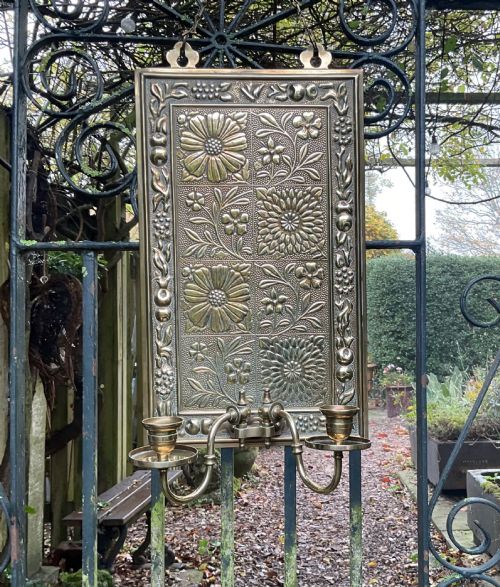
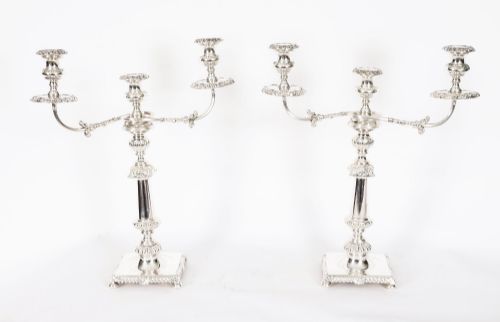
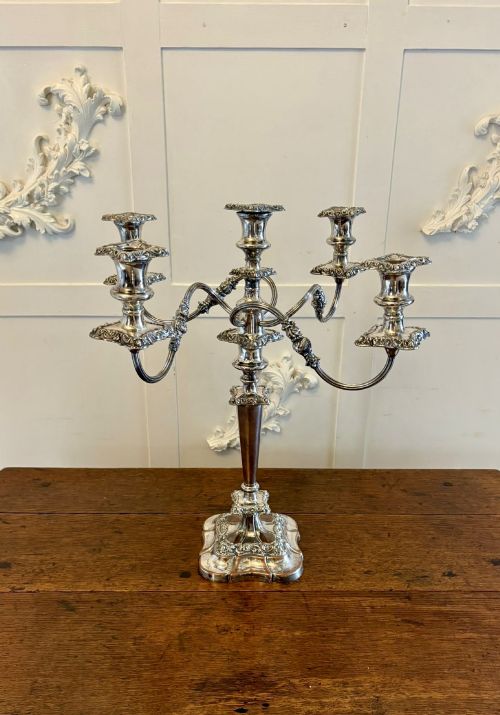
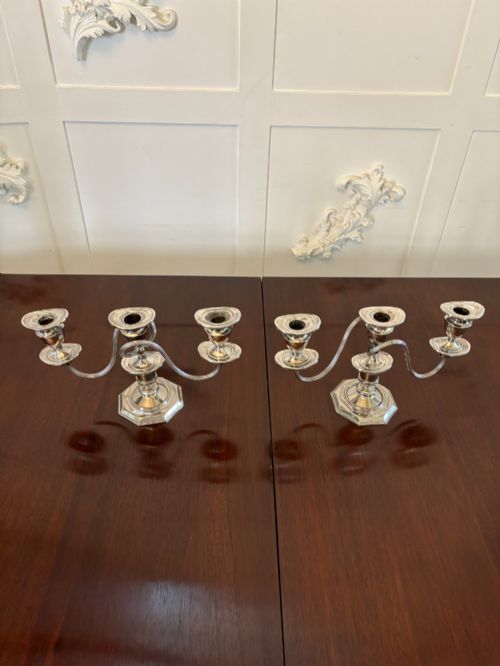

Branching Candle Holder
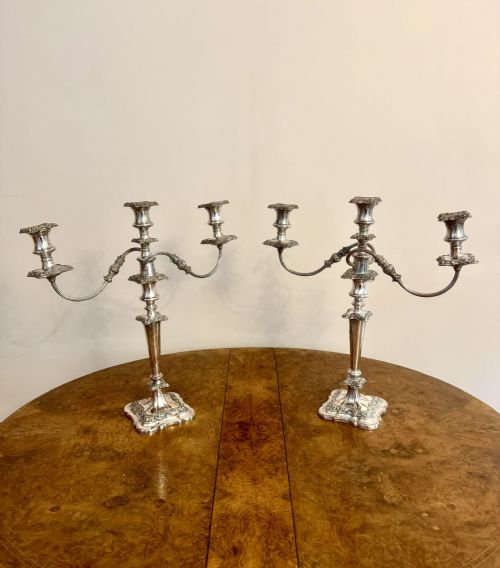
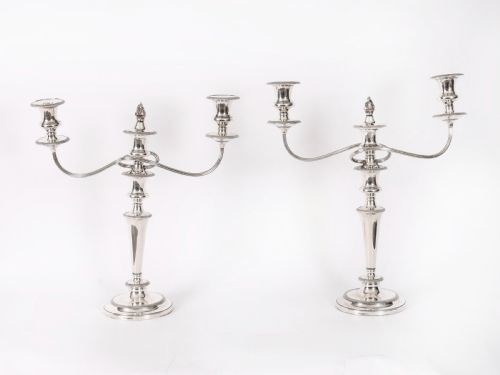
A branching candle holder extends multiple arms to lift several lights above a dining table or sideboard, offering both illumination and grandeur.
Branching Candle Holder
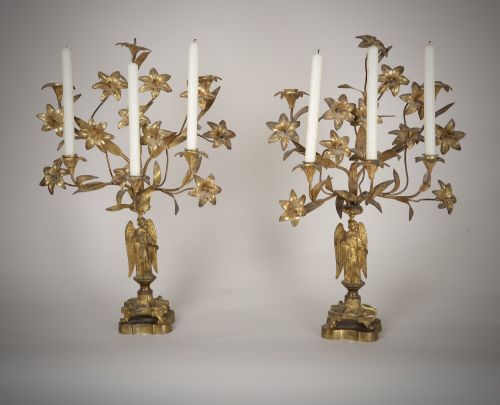
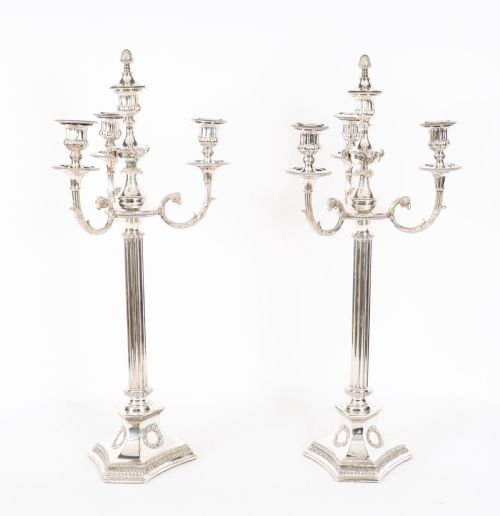
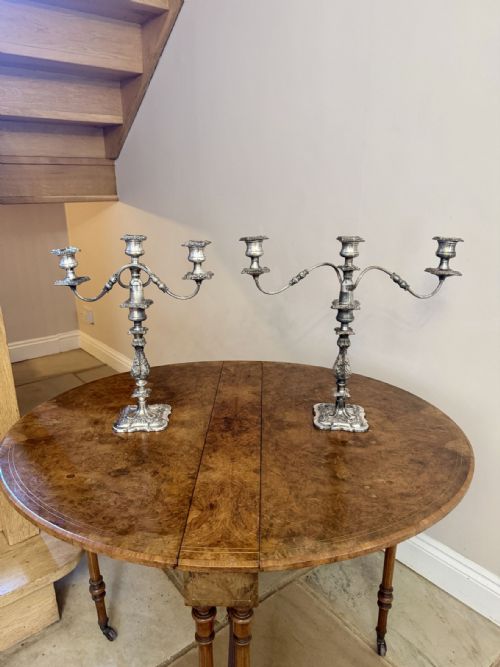
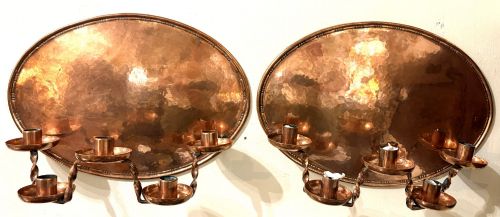
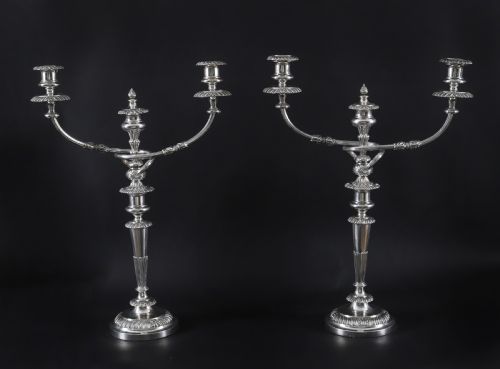
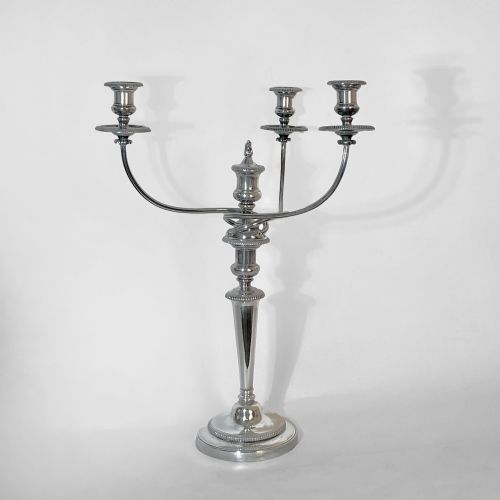
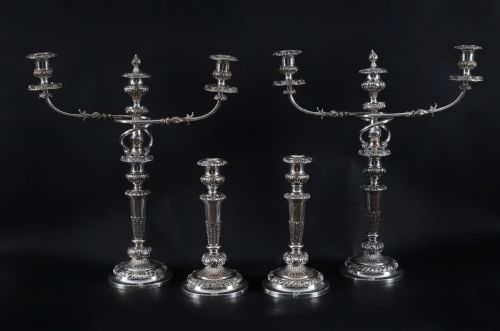
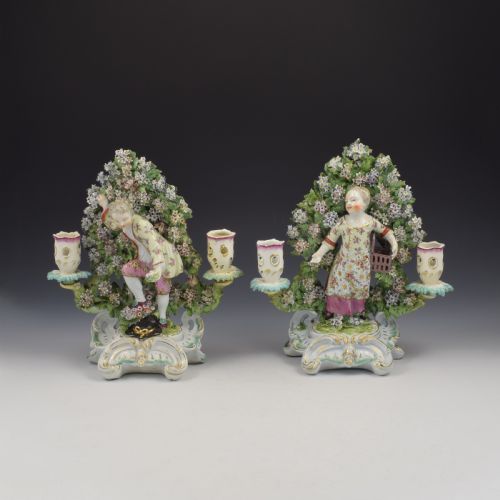
A branching candle holder appears in forms such as candelabra, wall sconces, and girandoles, originating across the eighteenth, nineteenth, and twentieth centuries. Buyers searching for a branching candle holder commonly encounter silver plated, brass, and copper examples dating from the Victorian and Edwardian eras.
The inventory includes pairs and suites featuring branches designed to hold three, four, or five lights. These objects span periods from George III designs through to Art Deco and Jugendstil interpretations.
Materials and Construction
Metals form the structural core of these pieces, utilising silver plate, Old Sheffield plate, solid silver, brass, copper, and gilt bronze alongside decorative elements of marble, glass, and porcelain. Craftsmen cast, hand-carved, and plated these materials to form branching arms, detachable sconces, and sturdy bases.
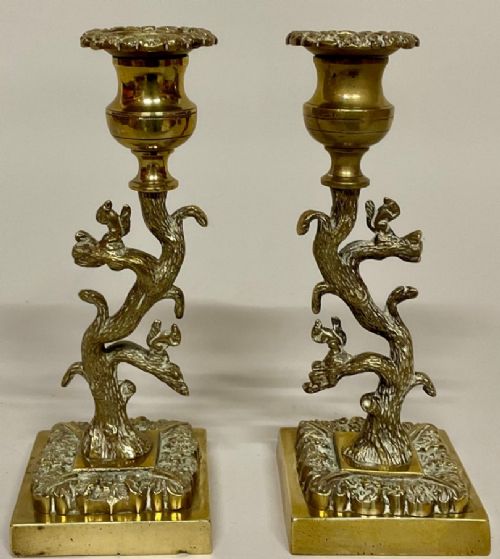
Casting techniques allowed makers to shape complex branches, such as tree motifs with squirrels or formal classical arms, which were then assembled into multi-light candelabra and wall fittings.
Branching Candle Holder Retail Price Guide 2026
Typical asking prices for branching candle holder among the pieces listed under this phrase on Sellingantiques today, from the lower quarter to the upper quarter. They describe what is for sale here now, not the wider market.
The selection includes silver plate, brass, and copper pieces spanning the Victorian, Edwardian, and George III periods.
Quality Markers
Quality rests in the crispness of the casting detail on the arms and the weight of the metal used in the base and branches. Pieces featuring finely chased ornamentation and well-fitted detachable sconces demonstrate superior manufacturing standards.
The balance of the branching structure and the integrity of the silver plating or original gilding dictate the standing of an individual piece within its period.
Garrard & Co·Matthew Boulton·Wm. Tonks & Sons·Barker Ellis
The Branching Candle Holder Glossary
- Candelabra
- A large branching candle holder designed to support multiple candles from a single base.
- Sconce
- A wall-mounted branching candle holder used to project light across a room.
- Old Sheffield Plate
- A composite material formed by fusing a thin sheet of silver to a thicker copper base, common in eighteenth and nineteenth-century pieces.
- Sconce
- The detachable cup at the end of a branch that catches wax and holds the candle in place.
- Girandole
- A decorative branching candle holder incorporating a wall mirror to reflect and amplify the light.
Branching Candle Holder: Frequently Asked Questions
How do I clean silver plated candelabra?
Silver plate requires gentle cleaning with a soft cloth and specialised silver cream to preserve the underlying metal. Avoid abrasive cloths that can strip the plating from the branching arms.
Regular dusting with a dry microfiber cloth prevents tarnish build-up in the intricate cast details of the holder.
Were these always used on dining tables?
While many large branching candle holders served as dining table centrepieces, others were designed as wall sconces, girandole mirrors, or mantelpiece garnitures. Smaller pairs often decorated sideboards and smaller tables.
Placement depended entirely on the number of lights and whether the piece was engineered for walls or freestanding furniture.
How can I tell a nineteenth-century piece apart from a later reproduction?
Nineteenth-century pieces show specific casting methods, hand-finishing marks, and wear patterns consistent with age on the base and sconces. Maker marks and stamps can also help confirm the period of manufacture.
Examining the construction of the joints where the branches meet the central column reveals period-specific assembly techniques.
Can I use standard modern candles in antique holders?
Standard modern taper candles frequently vary in diameter compared to historical sizing. Checking the internal width of the sconce ensures a stable fit for the candle.
Using dripless candles helps protect the metal and decorative surfaces from wax accumulation during use.