



Boudoir Art
Boudoir art encompasses intimate domestic pieces from the Edwardian era through the nineteen-thirties that bring character and period charm to private spaces.
Boudoir Art
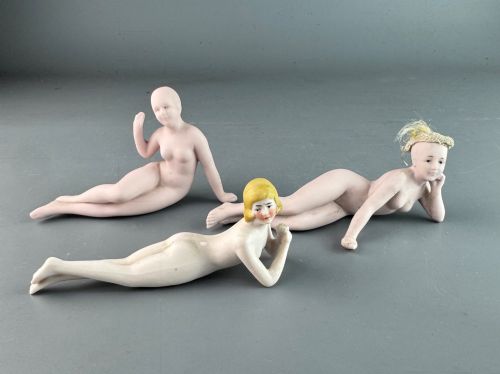
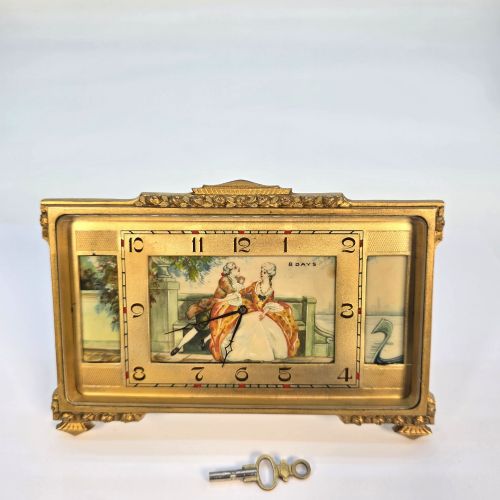
Boudoir art centres on private rooms and personal spaces, spanning periods from nineteen hundred up to nineteen thirty. The pieces gathered under this phrase include decorative clocks, table lamps, framed prints, paintings, half dolls, and trinket boxes.
The objects frequently capture feminine subjects and domestic scenes through Art Deco, Art Nouveau, Jugendstil, and Edwardian lenses. Visitors to this page will most commonly encounter small timepieces, lamps with glass or enamel details, and framed artwork reflecting the aesthetic of the nineteen-twenties.
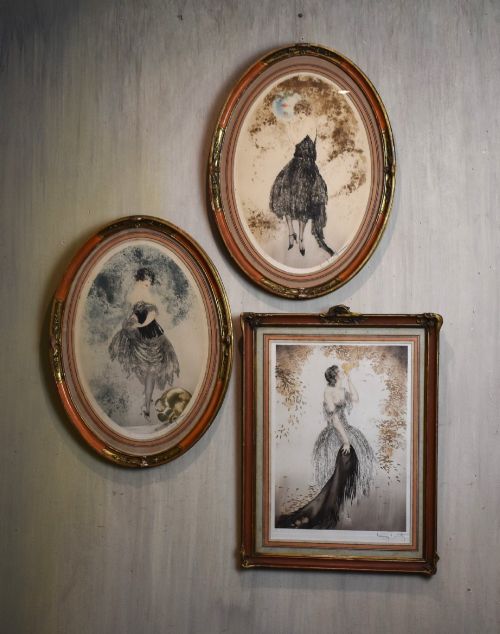
Makers and artists range from printmakers such as Louis Icart to lamp designers like Georges Leleu and Muller Bros, alongside ceramic works by Fasold and Stuach. These items served functional roles in private chambers while carrying distinct stylistic ambitions.
How they were made
Materials span sterling silver, bronze, brass, gilt brass, glass, enamel, wood, paper, and celluloid. Metalwork involves casting bronze and brass, often paired with guilloche enamel or champleve enamel details.
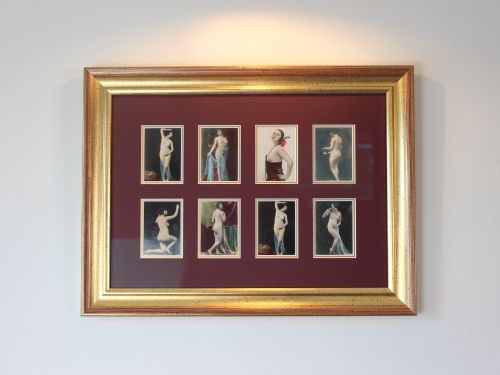
Glass production utilises cut crystal, frosted amber glass, and glass cabochons set into lamps and clocks. Paper works rely on drypoint and aquatint etching, hand-tinted photography, and oil on paper or canvas.
Boudoir Art Retail Price Guide 2026
Typical asking prices for boudoir art among the pieces listed under this phrase on Sellingantiques today, from the lower quarter to the upper quarter. They describe what is for sale here now, not the wider market.
Listings feature items from the Edwardian period, nineteen ten, nineteen twenty, and nineteen thirty, utilising sterling silver, bronze, glass, and enamel.
What varies in quality
Quality differences emerge in the execution of decorative surfaces, such as the precision of guilloche enamel work on miniature timepieces and the clarity of hand-tinting on photographic prints. Finer examples display meticulous metal casting and intact enamel panels without loss.
Artistic attribution and material complexity also distinguish the range, separating standard commercial pieces from signed works by established artists and glassmakers.
Louis Icart·Georges Leleu·Stuart Crystal·Fasold & Stuach·Muller Bros
The Boudoir Art Glossary
- Guilloche enamel
- A decorative technique involving precise, intricate mechanical patterns engraved beneath translucent enamel layers. It appears frequently on small timepieces and powder boxes from the period.
- Champleve enamel
- A method where troughs are dug into a metal surface and filled with enamel powder before firing. This technique provides rich, colourful decoration on Edwardian and antique metal clocks.
- Drypoint and aquatint
- Intaglio printmaking methods used by artists to achieve fine lines and tonal areas. These processes define many collectible framed prints from the early twentieth century.
- Half doll
- A ceramic upper torso without legs, historically used as a decorative cover for tea cosies or powder brushes. Examples often depict flapper figures from the nineteen-thirties.
- Cabochon
- A gemstone or piece of glass shaped and polished rather than faceted. They decorate the metalwork of Art Nouveau lamps.
Boudoir Art: Frequently Asked Questions
What defines a boudoir clock?
Boudoir clocks are small timepieces designed for private rooms, often featuring decorative cases in silver, enamel, or gilt brass.
These pieces range from eight-day strut clocks to miniature travel timepieces produced during the Edwardian period and the nineteen-twenties.
How were half dolls used?
Half dolls functioned as decorative toppers for boudoir accessories like powder puffs, whisk brooms, and tea cosies.
Modelled in porcelain, they typically portray fashionable figures such as flappers with detailed hats and facial expressions.
What subjects appear in boudoir prints?
Prints and framed works commonly depict female figures, intimate interior scenes, and romantic motifs.
Artists utilised etching, drypoint, and hand-tinted photography to capture these subjects in Edwardian and Art Deco styles.
Where were these glass lamps made?
Table lamps and shades originated from various European and North American workshops and glasshouses.
Maker contributions include specialised glass shades and bronze bases styled in Art Nouveau, Jugendstil, and Art Deco designs.