



Bohemian Iridescent Art Glass
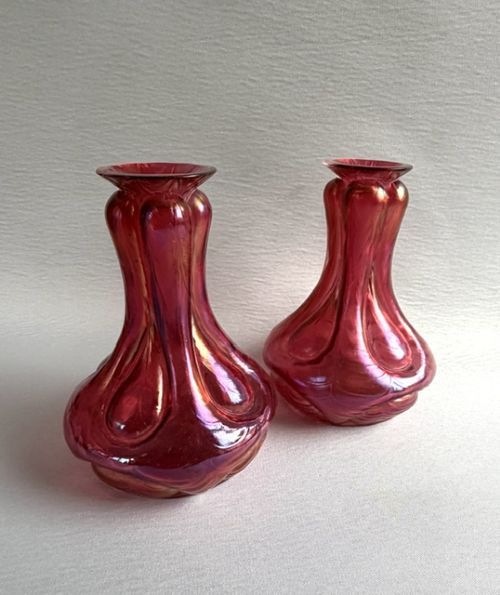
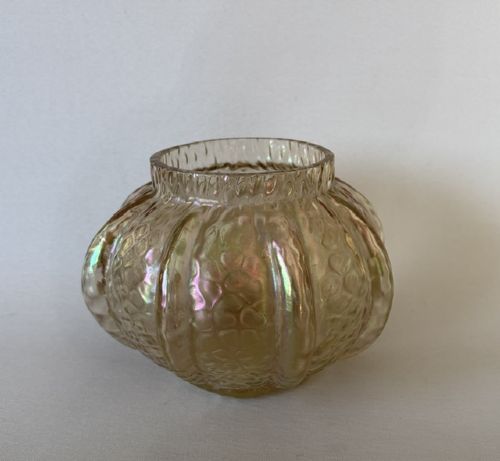
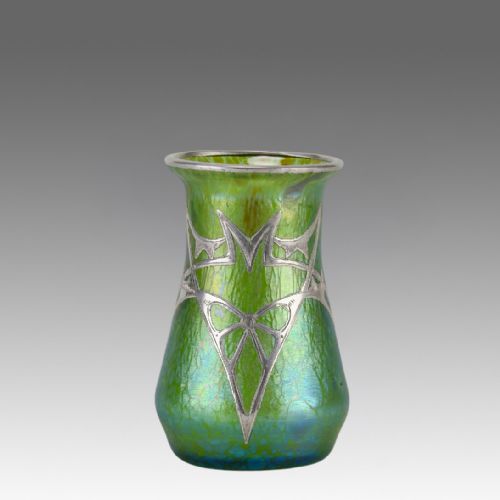
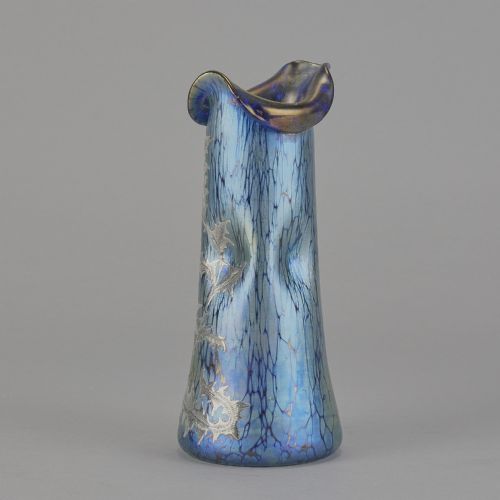
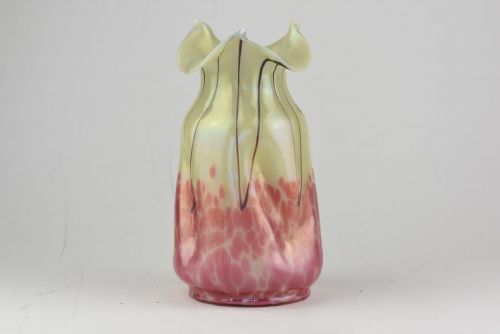
These pieces of bohemian iridescent art glass bring luminous colour and organic form into a room.
Bohemian Iridescent Art Glass
When you search for bohemian iridescent art glass, you look at items shaped by the aesthetic movements of the late nineteenth and early twentieth centuries. The objects found here belong predominantly to the nineteen hundreds and nineteen tens, encompassing periods such as the nineteenth century and nineteen twenty.
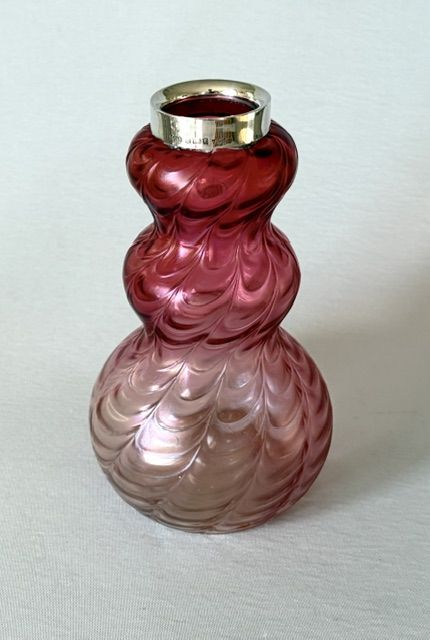
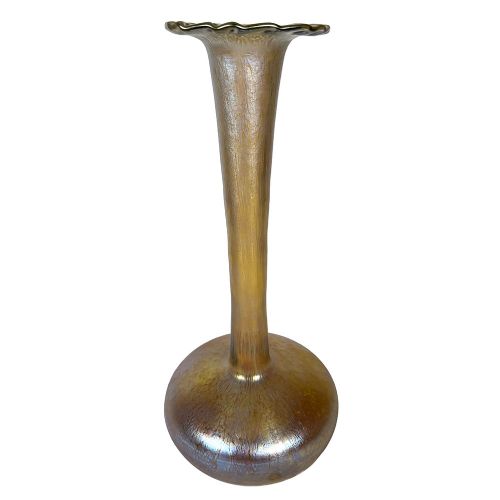
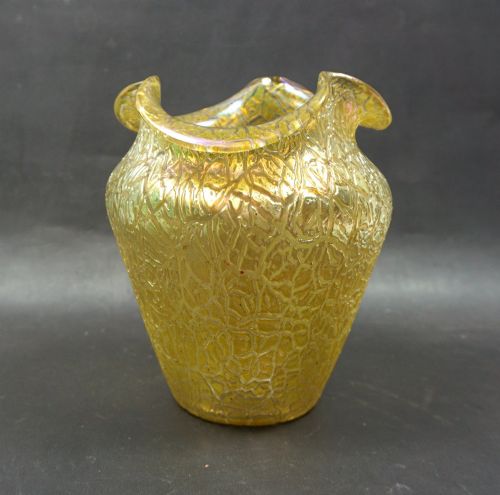
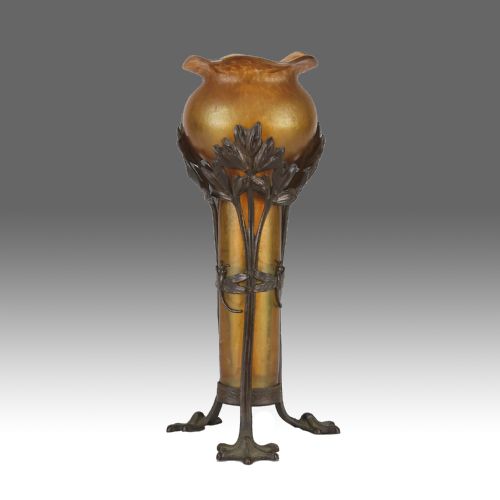
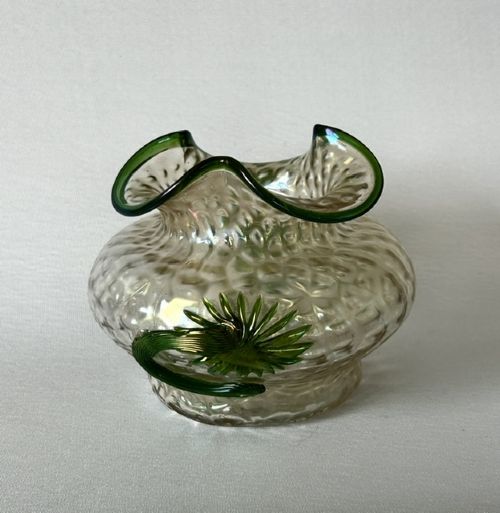
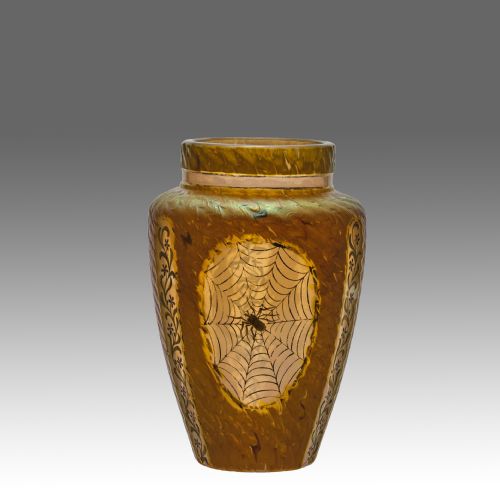
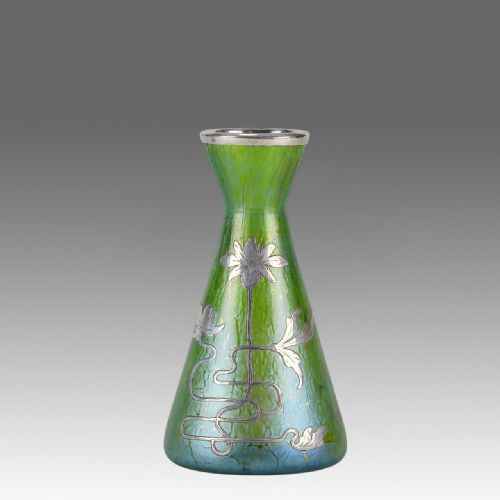
Vases dominate the selection, appearing in forms ranging from Jack in the Pulpit shapes to squat vessels and conical designs. Collectors also encounter decorative bowls, inkwells, and pieces paired with metal stands or mounts.
The prevailing design idioms are Art Nouveau, Vienna Secession, and Secessionist styles. These pieces reflect a distinct creative output from Bohemian workshops and makers operating during this era.
Factors of quality
The distinction between tiers rests upon the complexity of the glass décor and the integration of metalwork. Pieces featuring named décors or structural mounts demonstrate higher ambition from the workshop.
Execution of the form dictates overall merit, where organic shapes and balanced proportions reveal the skill behind the blowing and finishing process. The depth and shift of the iridescence further elevate specific items above standard production.
Bohemian Iridescent Art Glass Retail Price Guide 2026
Typical asking prices for bohemian iridescent art glass among the pieces listed under this phrase on Sellingantiques today, from the lower quarter to the upper quarter. They describe what is for sale here now, not the wider market.
Listings feature blown glass combined with sterling silver, silver overlay, brass, and pewter stands across Art Nouveau and Secessionist styles.
Loetz Witwe·Kralik Glass·Pallme Konig·Johann Loetz·Loetz
The Bohemian Iridescent Art Glass Glossary
- Iridescent glass
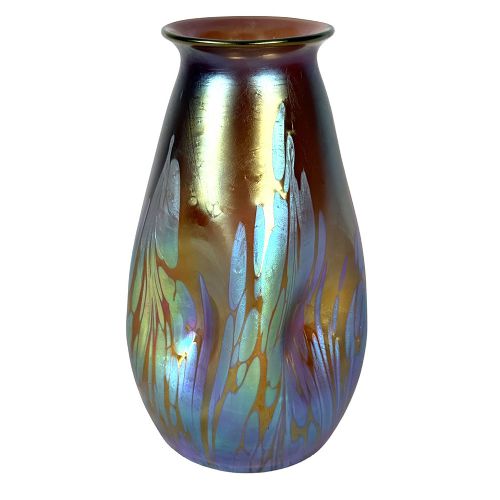
- Glass treated with metallic oxides while hot to produce a rainbow sheen on the surface. This effect catches the light and shifts colour as the viewer moves around the object.
- Papillon
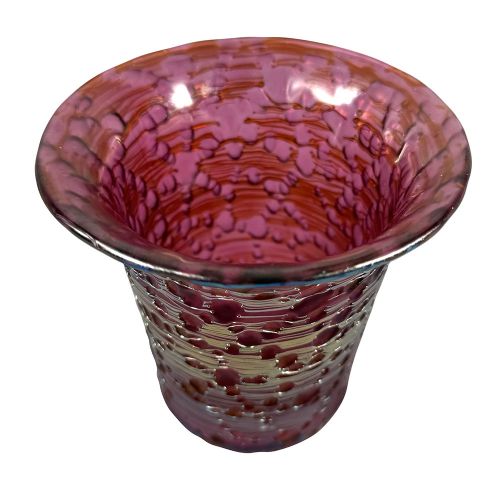
- A specific Loetz décor featuring mottled patches that resemble butterfly wings. It ranks among the most recognisable finishes found on Bohemian vessels.
- Secessionist
- A stylistic movement rejecting historicism in favour of clean, modern lines and geometric abstraction. Objects in this style often pair glass with stark metal mounts.
- Silver overlay
- Applied silver decoration fused directly onto the glass body in floral or abstract patterns. This technique required precise metalwork to wrap the curved vessel securely.
- Jack in the Pulpit
- A specific vase form characterised by a wide, flaring rim resembling a flower blossom. The sweeping lip demands precise manipulation during the blowing process.
Bohemian Iridescent Art Glass: Frequently Asked Questions
What is bohemian iridescent art glass?
It encompasses decorative glass objects produced in Bohemia during the late nineteenth and early twentieth centuries, featuring lustrous metallic surfaces.
These items were shaped by Art Nouveau and Secessionist aesthetics, resulting in distinctive vases, bowls, and inkwells.
How do I identify Loetz glass?
Look for characteristic décors such as Papillon or Phänomen alongside organic forms typical of the nineteen hundreds.
Many pieces also integrate silver mounts, pewter stands, or bronze collars that complement the shimmering glass.
What periods do these pieces date from?
The selection spans the nineteenth century through to the nineteen twenties, with a heavy concentration around nineteen hundred.
This timeframe captures the peak years of Art Nouveau and Secessionist design in Bohemia.
How should I display these pieces?
Place them where natural light can strike the surface and activate the changing colours of the iridescent glass.
Ensure they sit on stable, flat surfaces away from edges, particularly taller vase forms and mounted items.