



Bohemian Glass Tumblers
Bohemian glass tumblers bring rich colour and precise engraving to the table, offering an enduring touch of Central European craftsmanship.
Bohemian Glass Tumblers
When you search for bohemian glass tumblers, you encounter vessels that span from Victorian amethyst and ruby flash glass to Art Deco Czech designs. The examples found here range from mid-nineteenth-century engraved beakers to nineteen-thirties drinks sets.
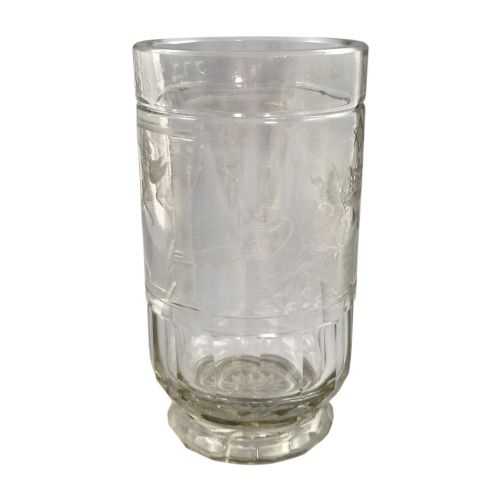
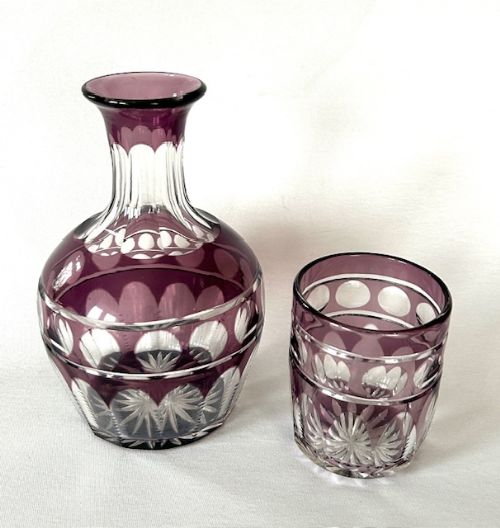
The Victorian pieces lean towards heavily engraved ruby red and amethyst vessels, often associated with ceremonial or domestic table use. Later examples shift into nineteen-thirties Art Deco styles originating from Bohemia and the Czech lands.
You are most likely to meet ruby glass tumblers alongside matched decanter sets and summer garden party services. These items showcase the historical breadth of glassmaking traditions in the region across distinct aesthetic movements.
How they were made
The makers utilised clear glass, crystal, and coloured variations such as ruby glass and amethyst glass, often applying surface flashing techniques. Cut glass methods created sharp facets that interacted with the deep hues of the material.
Engraving and hand enamelling added intricate surface detail to the vessels, particularly on nineteenth-century ceremonial beakers and nineteen-thirties sets. Lead crystal provided a heavier weight and a clearer ring, while enamel added colour directly to the exterior.
Craftsmen shaped these drinksware pieces into beakers, tumblers, and carafes as part of broader tableware and decanter sets. The combination of coloured glass bodies and precise surface decoration defined the production methods of the period.
Bohemian Glass Tumblers Retail Price Guide 2026
Typical asking prices for bohemian glass tumblers among the pieces listed under this phrase on Sellingantiques today, from the lower quarter to the upper quarter. They describe what is for sale here now, not the wider market.
Victorian garden parties demanded matching ruby glasses so intense they could rival a ripe plum.
What varies in quality
The depth and saturation of the ruby flash or amethyst colour set certain pieces apart from simpler clear glass items. Richer hues paired with heavier lead crystal bodies indicate a higher grade of production.
The crispness of the engraving and the precision of the hand enamelling determine the artistic merit of individual tumblers and beakers. Finer wheel-cut details require greater skill than moulded or lightly etched surfaces.
Completeness within a tableware set or a matched decanter assembly influences how the items present together. Uniformity across a pair or a larger service demonstrates greater initial care from the workshop.
Karl Palda
The Bohemian Glass Tumblers Glossary
- Ruby Flash Glass
- Glass that has been dipped or cased in a thin layer of red glass before being cut away to reveal the clear glass beneath. This technique creates strong contrast between the clear and coloured areas.
- Amethyst Glass
- Glass coloured to a purple or violet hue through the addition of manganese or other minerals during melting. It appears frequently in Victorian tableware.
- Lead Crystal
- Glass containing a proportion of lead oxide, which increases the weight, refractive index, and clarity of the material. It allows for deeper and sharper cutting.
- Hand Enamelled
- Decorated using applied vitreous enamels that are fired onto the glass surface. This method introduces opaque or coloured designs to Art Deco Czech glassware.
- Engraved Glass
- Glass decorated by abrading the surface with small rotating wheels to produce motifs and patterns. Victorian ceremonial beakers often feature detailed commemorative scenes created this way.
Bohemian Glass Tumblers: Frequently Asked Questions
What are bohemian glass tumblers?
These pieces are drinking vessels originating from Central Europe, encompassing Victorian engraved ruby glass and Art Deco Czech crystal sets. They reflect regional traditions in coloured glass production and surface decoration.
Collectors prize them for their vibrant hues and the technical skill required to produce flashed and cut glass effects.
How were these glasses used?
Historically, they served as functional drinksware for water, wine, or spirits during formal meals and garden parties. Some heavier beakers also held ceremonial or commemorative significance.
Today, they function both as usable tableware and as decorative display items within a cabinet or on a drinks tray.
How do I live with antique glass?
Gentle hand washing in lukewarm water preserves the enamel work and the integrity of the coloured glass surface. Avoid sudden temperature changes to prevent thermal shock.
Displaying them away from direct, harsh sunlight helps protect any subtle tones in the amethyst or ruby flash glass over time.
How do I tell Victorian pieces from Art Deco ones?
Victorian examples typically feature deep ruby or amethyst tones with dense wheel-engraved ornamentation, such as floral motifs or ceremonial scenes. They often appear as individual beakers or pairs.
Art Deco pieces from the nineteen-thirties lean towards geometric forms, hand-enamelled patterns, and complete matching decanter sets originating from Czech workshops.