





Bohemian Glass Perfume
These bohemian glass perfume pieces combine rich colour and precise cutting, offering a tactile piece of dressing table history.
Bohemian Glass Perfume
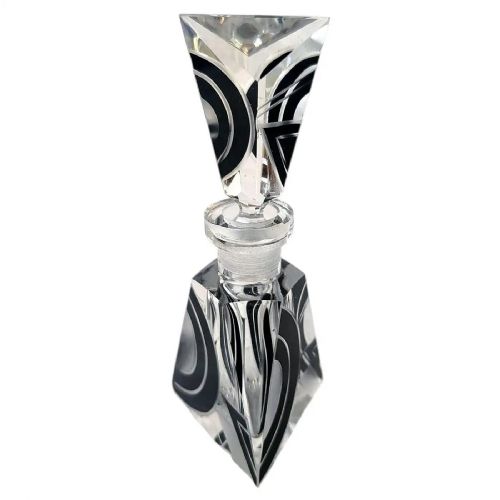
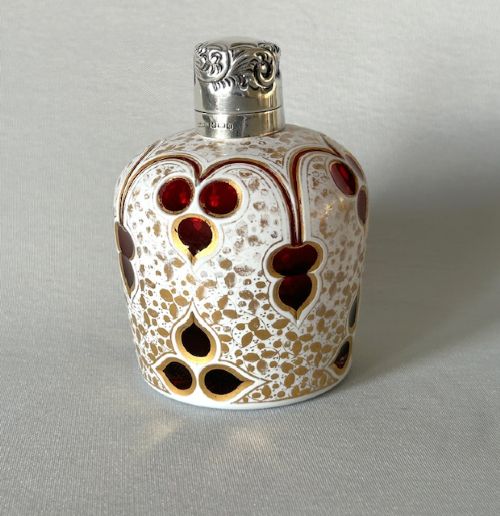
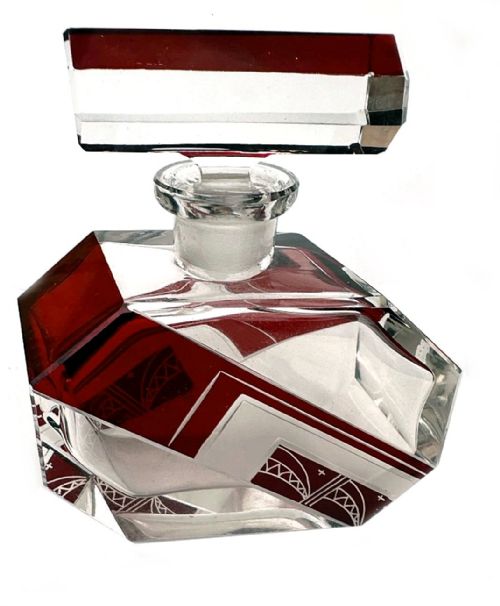
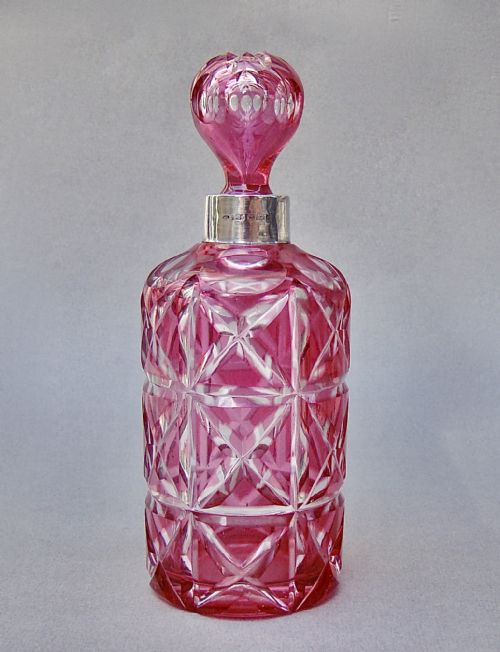
When searching for bohemian glass perfume, you examine items spanning the Victorian, Edwardian, and Art Deco periods, ranging from nineteenth-century overlay scent bottles to nineteen-thirties Czech designs.
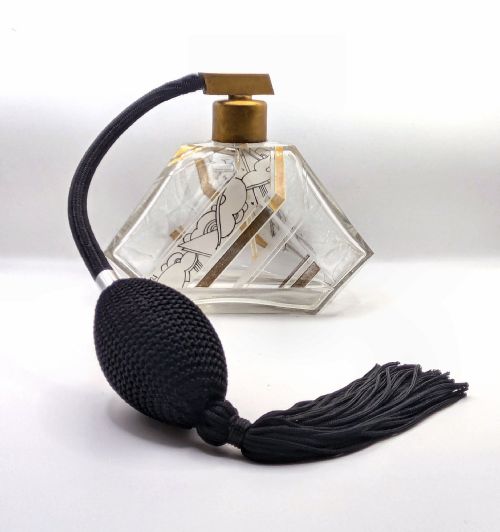
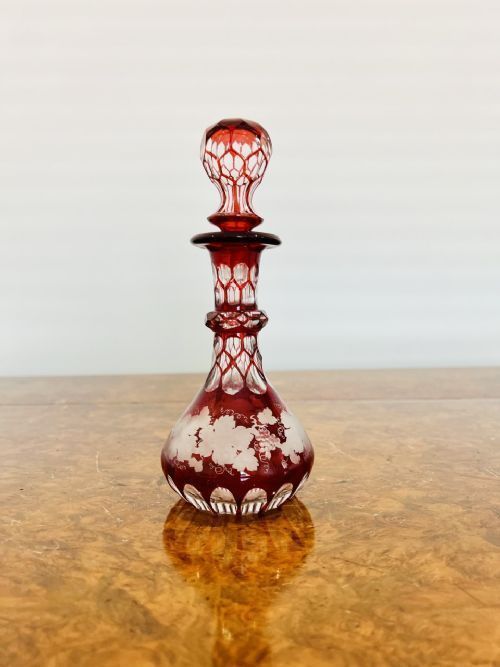
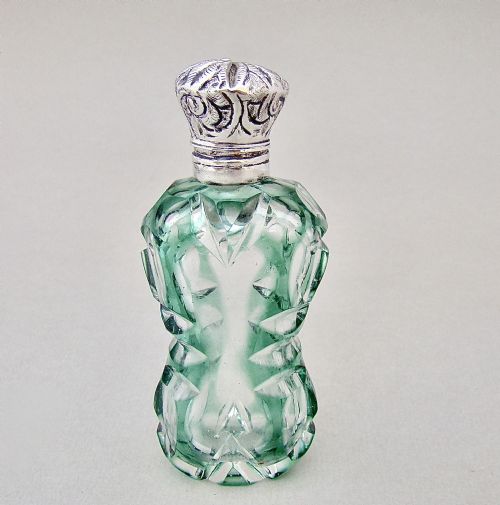
The nineteenth-century examples often appear in green or cranberry glass with layered overlay techniques, while the nineteen-thirties selections frequently showcase geometric cuts and enamel work from identifiable workshops.
Perfume bottles, scent bottles, and atomiser bottles dominate the forms available, showing how dressing table accessories evolved from simple stoppers to mechanical sprayers.
Materials and construction
Makers utilised glass, crystal, and cranberry glass as the primary bodies, often enriching the surface with enamel, gold leaf, and geometric cut glass techniques.
Mounts in silver, chrome, and fabric complement the glass bodies, while atomiser mechanisms add functional metalwork to nineteen-thirties pieces.
Bohemian Glass Perfume Retail Price Guide 2026
Typical asking prices for bohemian glass perfume among the pieces listed under this phrase on Sellingantiques today, from the lower quarter to the upper quarter. They describe what is for sale here now, not the wider market.
Listings span the Victorian, Edwardian, and Art Deco periods, utilising glass, enamel, silver, and chrome.
Judging the work
Execution of the glass cutting and the clarity of the coloured glass layers separate standard production from finer output.
The integration of silver mounts, enamel detailing, and signed attribution marks indicates the level of craftsmanship involved.
Harold Bushell & Co·Karl Palda·Rudolf Hlousek·Hermanova
The Bohemian Glass Perfume Glossary
- Overlay glass
- A technique where a layer of coloured glass is cased over a clear or contrasting inner layer, then cut away to reveal the pattern beneath.
- Atomiser
- A mechanical spray bottle design that uses a bulb or pump to disperse liquid fragrance. These become common in nineteen-thirties Czech pieces.
- Silver mount
- A fitted collar, cap, or base made from silver that reinforces the glass neck and secures the stopper.
Bohemian Glass Perfume: Frequently Asked Questions
How do I date a bohemian perfume bottle?
Look to the overall style, such as Victorian overlay work versus nineteen-thirties Art Deco geometric cuts. Silver mounts often carry hallmarks that provide exact years.
Material choices also help narrow the timeline, with cranberry glass and heavy cut crystal leaning towards the nineteenth century.
What is the difference between a scent bottle and an atomiser?
Scent bottles rely on a traditional glass stopper to seal the liquid fragrance inside. They tend to date across the Victorian and Edwardian eras.
Atomisers include mechanical spray fittings, which appear frequently on nineteen-thirties Czech glass pieces.
Are these bottles safe for holding perfume?
Most antique pieces function well for display on a dressing table or vanity surface. Modern use with volatile liquids requires careful checking of original stoppers and seals.
Silver mounts and enamel decoration should avoid direct contact with strong chemicals and alcohol to protect the finish.
What colours are typical for these pieces?
Victorian examples lean heavily towards rich cranberry glass and layered green glass overlay. These bold hues were designed to catch the light on nineteenth-century furnishings.
Nineteen-thirties examples maintain this colourful tradition while introducing clear crystal and geometric arrangements.