







Bohemian Etched Glass
These bohemian etched glass pieces bring deep colour, precise engraving and striking silhouettes to a room.
Bohemian Etched Glass
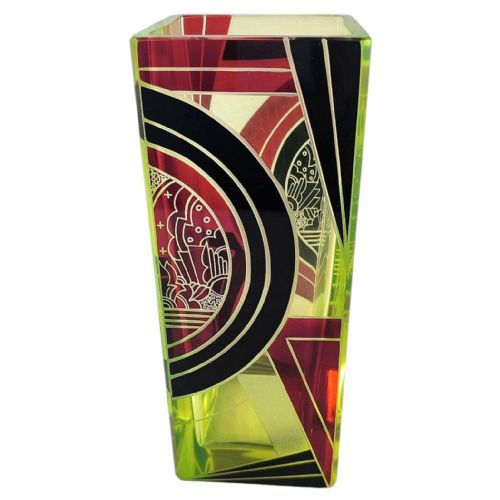
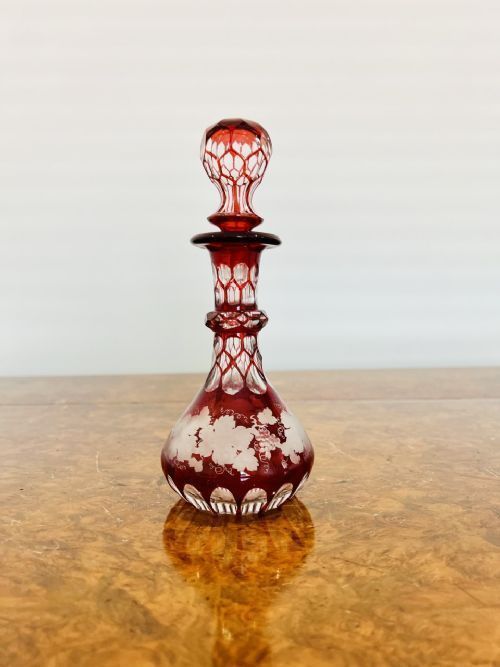
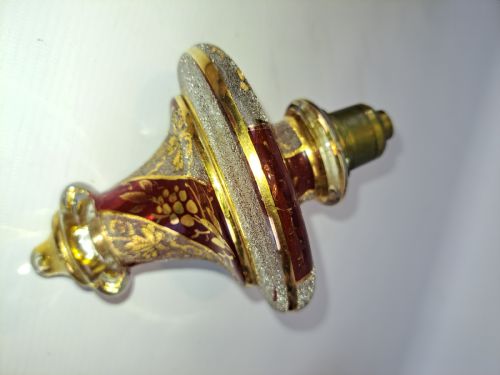
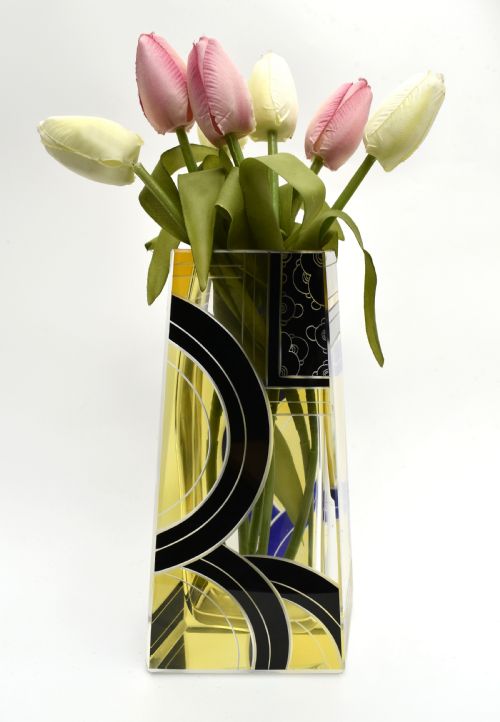
You are most likely to meet Victorian ruby glass pieces alongside 1930s Art Deco vessels. These items showcase traditional craftsmanship through engraved details, colour overlays, and geometric motifs.
How they were made
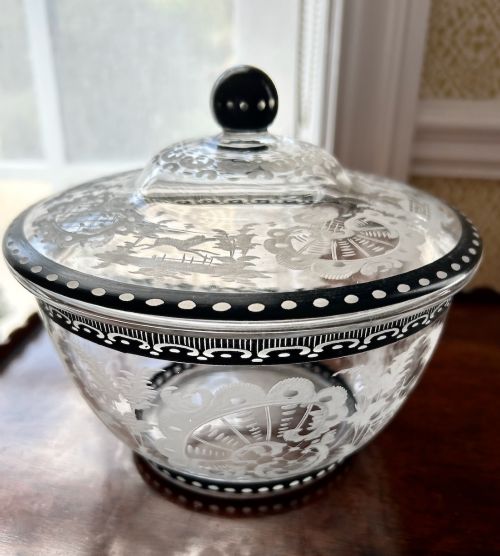
The makers utilised glass, crystal, and lead crystal, frequently applying coloured glass layers such as ruby, amber, and cobalt blue over clear glass. Artisans then etched, engraved, or cut through the surface to expose the contrasting layer beneath.
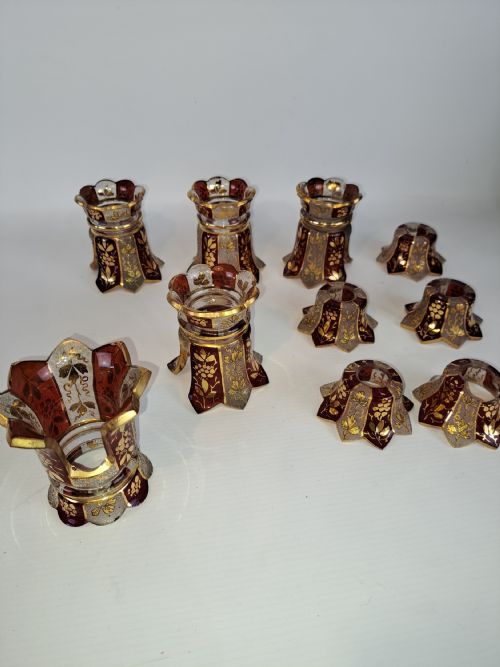
Additional decoration involved enamel and gold leaf applied to highlights like capitals, finials, and animal motifs. Metal components in brass and silver occasionally complemented the glass bodies.
Bohemian Etched Glass Retail Price Guide 2026
Typical asking prices for bohemian etched glass among the pieces listed under this phrase on Sellingantiques today, from the lower quarter to the upper quarter. They describe what is for sale here now, not the wider market.
The listings here cover periods from the 18th century through to 1930, featuring materials such as crystal, enamel, and gold leaf.
What varies in quality
Quality rests in the crispness of the etching and the depth of the glass colour. Superior examples display precise, detailed engraving rather than shallow surface scratching.
The weight of the crystal and the neatness of any gilding or enamel work separate standard production pieces from the finer studio and factory output.
Karl Palda·Paul Heller·Booms glass·Hoffman
The Bohemian Etched Glass Glossary
- Ruby glass
- A type of red glass produced by adding gold chloride to the molten batch. It is characteristic of many Victorian and 19th-century Bohemian items.
- Flash glass
- A thin layer of coloured glass fused over a thick body of clear glass. This technique allows the artisan to cut through the outer layer to reveal transparent details.
- Roemer
- A traditional large drinking glass with a wide bowl and a decorated stem. They frequently appear in amber or other coloured glass variations.
- Hyalite glass
- An opaque black or red glass developed in Bohemia. It provides a striking, glossy surface for subsequent decoration.
Bohemian Etched Glass: Frequently Asked Questions
What is bohemian etched glass?
It encompasses decorative and functional vessels originating from Bohemia, featuring surface engraving or acid etching upon coloured or clear glass.
These objects range from Victorian decanters and ruby glass beakers to 1930s Art Deco vases and perfume bottles.
How do I identify Victorian pieces?
Victorian examples often utilise rich ruby, amber, or cobalt blue glass paired with ornate floral or architectural engraving.
They frequently take the form of heavy decanters, lustres, and lidded vases dating from the mid to late 19th century.
What defines Art Deco items?
Art Deco pieces from the 1930s favour geometric silhouettes, stark black or clear crystal bodies, and contrasting enamel decoration.
Names like Karl Palda are closely associated with these stylised, modernist Czech designs.
How should I clean these items?
Wash them gently by hand in lukewarm water using mild soap, avoiding harsh abrasives that could harm the etched surfaces.
Take particular care with pieces featuring gold leaf or enamel accents to preserve the delicate decoration.