




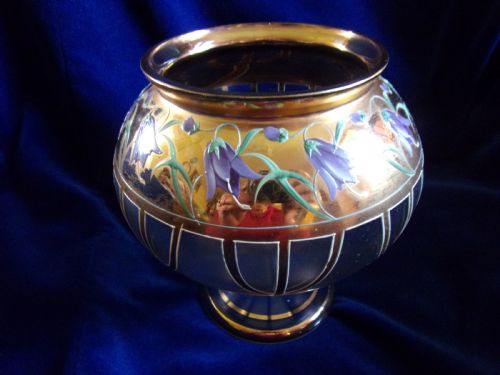


Bohemian Enamelled Vessel
A bohemian enamelled vessel brings vibrant colour and layered detail to a room, catching the light through hand-painted scenes and rich glass grounds.
Bohemian Enamelled Vessel
When you search for a bohemian enamelled vessel, you encounter a diverse range of decorative glassware spanning the nineteenth and twentieth centuries. These pieces encompass vases, decanters, ewers, jars, and goblets created in Bohemia and surrounding regions.
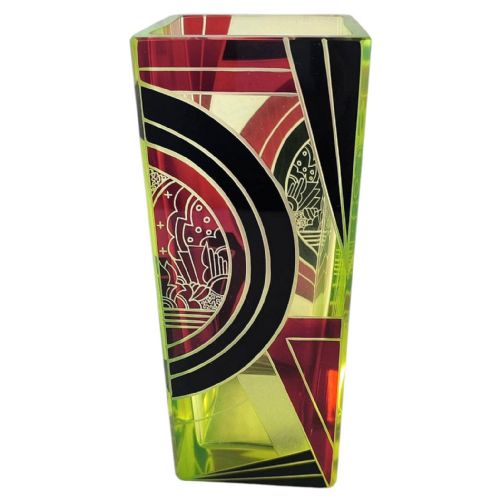
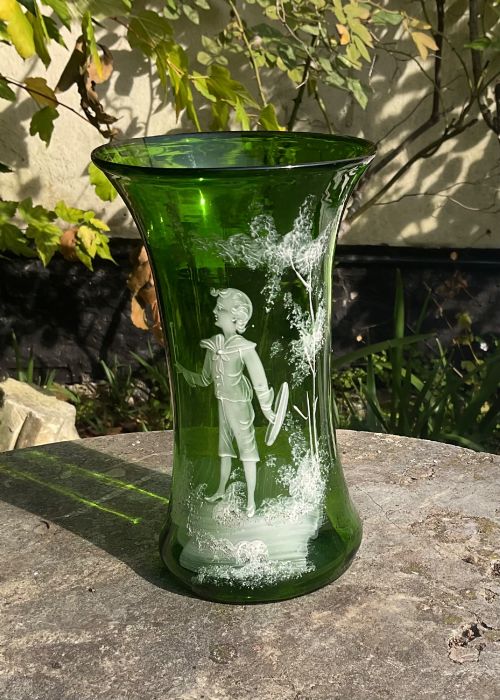
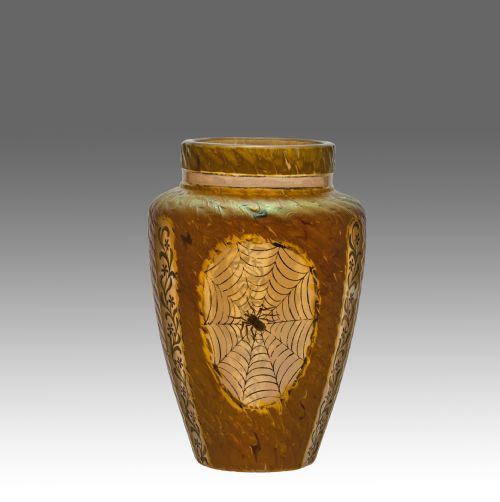
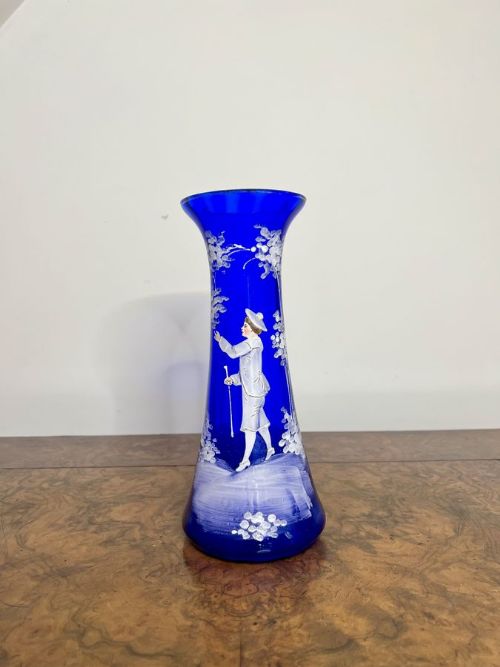
The most common examples on this page are Victorian Mary Gregory pieces and Art Deco geometric designs. You also find nineteenth-century items decorated with gold leaf, polychromatic enamels, and distinct scenes such as fox hunting.
Makers such as Kralik, Karl Palda, Moser, and Harrach shaped this tradition through distinct periods including Art Nouveau and Japonisme. Every item combines blown or moulded glass with careful surface painting and gilding.
What varies in quality
The skill of the enamel painter dictates the visual success of each piece, distinguishing hurried factory output from finely rendered scenes. Crisp brushwork on figures and animals demonstrates superior workshop execution.
The weight and clarity of the underlying glass ground also set standards across different periods. Heavy crystal overlay and precise etching reflect greater ambition in design and execution.
Bohemian Enamelled Vessel Retail Price Guide 2026
Typical asking prices for bohemian enamelled vessel among the pieces listed under this phrase on Sellingantiques today, from the lower quarter to the upper quarter. They describe what is for sale here now, not the wider market.
The listings show periods ranging from the late eighteenth century through the Victorian era up to Art Deco designs of nineteen thirty.
Kralik Glass·Karl Palda·Moser·Harrach·Royal Dux
The Bohemian Enamelled Vessel Glossary
- Mary Gregory glass
- A style of decorative glassware featuring white enamel silhouettes of children amidst foliage, typically set against coloured glass grounds. This technique gained immense popularity during the Victorian era.
- Cranberry glass
- A rich red-pink transparent glass created by adding gold chloride to the molten batch. It frequently serves as the vibrant base colour for Victorian enamelled vessels.
- Opaline glass
- An opaque or translucent pale glass developed to imitate porcelain. It provides a smooth white ground well suited for contrasting enamel details.
- Iridescent glass
- Glass treated with metallic salts while hot to produce a shimmering, rainbow-like surface sheen. Makers like Kralik utilised this effect extensively in the early twentieth century.
- Crystal overlay
- A method where a layer of coloured glass is cased over a clear crystal core, then selectively cut away to expose the contrasting layer beneath.
Bohemian Enamelled Vessel: Frequently Asked Questions
How do I identify a Mary Gregory piece?
Mary Gregory pieces are recognised by their distinct white enamel silhouettes, usually depicting children in natural settings.
These white enamel figures appear on coloured grounds such as green, blue, cranberry, and amber glass.
What defines Art Deco bohemian glass?
Art Deco bohemian vessels display geometric etching, opaque glass bodies, and stylised enamel patterns.
Maker Karl Palda heavily influenced this aesthetic with square and tall vases produced around nineteen thirty.
How should I display these vessels?
Place these vessels near natural light sources to illuminate the coloured glass and metallic gold leaf details.
Ensure they sit on stable surfaces away from high traffic areas to protect delicate painted enamel.
How do I date an enamelled vessel?
Dating relies on stylistic markers such as Victorian floral motifs, Art Nouveau curves, or Art Deco geometry.
Material choices like opaline glass or iridescent finishes also help narrow the production era.