


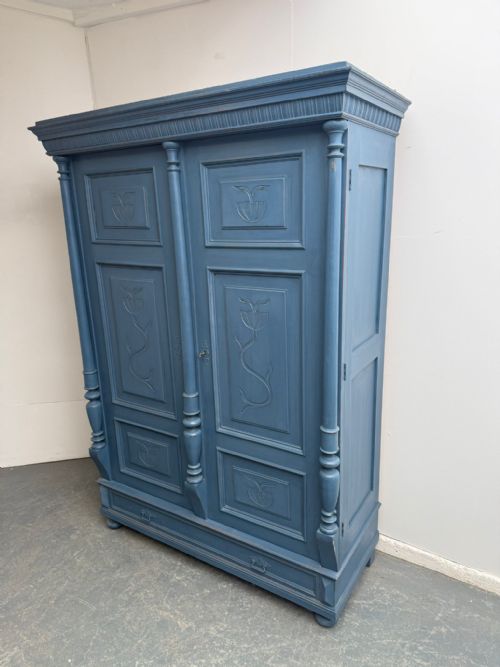


Blue Wooden Cupboard
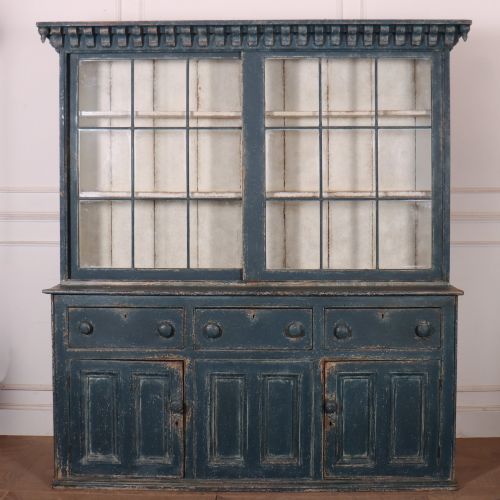
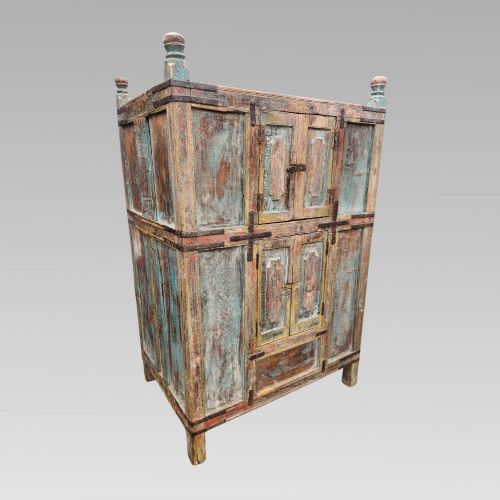
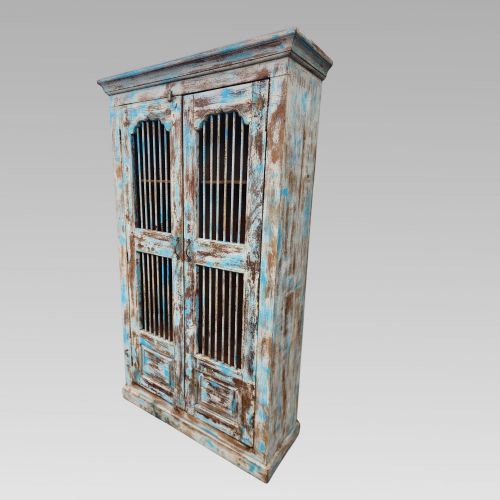
A blue wooden cupboard brings bold colour and regional character to a room, ranging from Swedish pine to Indian teak.
Blue Wooden Cupboard
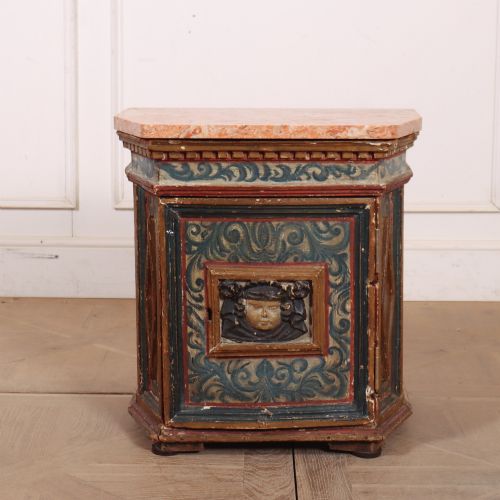
A blue wooden cupboard serves as a practical storage piece while carrying distinct regional identity through painted surfaces and traditional forms. When you search for a blue wooden cupboard, you encounter diverse domestic storage furniture ranging from bedside cabinets to large linen cupboards and armoires.
The pieces on this page span several centuries and geographic origins, including Scandinavian country pine, Hungarian folk art, Italian baroque, and traditional Indian craftsmanship. Pine and teak form the primary wooden carcasses, while painted finishes define the exterior aesthetic across different periods.
How they were made
Construction relies heavily on solid pine, teak, cedar, and general timber frameworks joined with traditional cabinetmaking techniques. Iron and brass hardware such as hinges, latches, and handles secure the doors and drawers of these storage pieces.
Surfaces are treated with paint, sometimes featuring ragwork techniques, folk art motifs, or gold leaf accents. These applied finishes give each cupboard its characteristic blue coloration, varying from faded patinas to vibrant regional hues.
Blue Wooden Cupboard Retail Price Guide 2026
Typical asking prices for blue wooden cupboard among the pieces listed under this phrase on Sellingantiques today, from the lower quarter to the upper quarter. They describe what is for sale here now, not the wider market.
Listings feature pine, teak, cedar, and iron materials across Scandinavian, Indian, Hungarian, and Italian regional styles.
What varies in quality
The distinction between pieces lies in the integrity of the original construction and the preservation of authentic painted surfaces. Hand-carved details and period-correct hardware elevate certain cabinets above simpler utilitarian storage forms.
The depth of character in the painted finish, whether through aged ragwork or folk art decoration, separates standard production from exceptional examples. Structural stability in the timber carcass and original joinery further determine the standing of each cabinet.
The Blue Wooden Cupboard Glossary
- Almirah
- A freestanding cupboard or wardrobe originating from South Asia, often constructed from teak or cedar. These pieces provide substantial storage capacity.
- Ragwork
- A decorative painting technique where rags or cloths are used to apply or manipulate paint on a wooden surface. This method creates a textured, mottled finish popular in nineteenth-century Scandinavian cabinetry.
- Armoire
- A tall wardrobe or cupboard featuring doors that open to shelves or hanging space. Traditional European versions often served as marriage or linen storage.
- Apothecary cabinet
- A specialised storage unit originally used by pharmacists to store herbs, medicines, and dry ingredients in small drawers or compartments. These pieces feature numerous small compartments.
- Tabernacle
- An architectural cabinet structure, often Italian in origin, designed with columns or ornamentation reminiscent of a religious shrine.
Blue Wooden Cupboard: Frequently Asked Questions
How do I date an old painted cupboard?
Dating relies on examining the timber construction, nail types, and the composition of the paint layers. Secondary woods and hand-cut joinery often point to earlier centuries.
Hardware styles and regional decorative motifs also help narrow down the period of manufacture, distinguishing nineteenth-century folk pieces from eighteenth-century origins.
Are these cupboards suitable for modern kitchens?
These storage cupboards and linen cabinets adapt well to contemporary interiors for storing crockery, linens, or pantry items. Their substantial depths accommodate modern domestic storage needs.
Placing them in a kitchen or hallway introduces historic character and functional shelving without altering the structural integrity of the piece.
What is ragwork paint?
Ragwork paint is a decorative surface treatment where rags are pressed into wet paint to create a mottled, textured pattern. This technique was frequently applied to nineteenth-century Scandinavian pine furniture.
The resulting finish mimics more expensive stone or wood grains while adding visual depth to simple country cupboards.
How do I care for a painted wooden surface?
Maintenance requires dusting with a dry microfiber cloth and avoiding harsh chemical cleaners that might strip the historic paint. Keeping the cabinet away from direct sunlight and extreme humidity protects both the timber and the finish.
Wax can be applied sparingly to unpainted interior wood, but painted exterior surfaces should be treated with minimal moisture.