







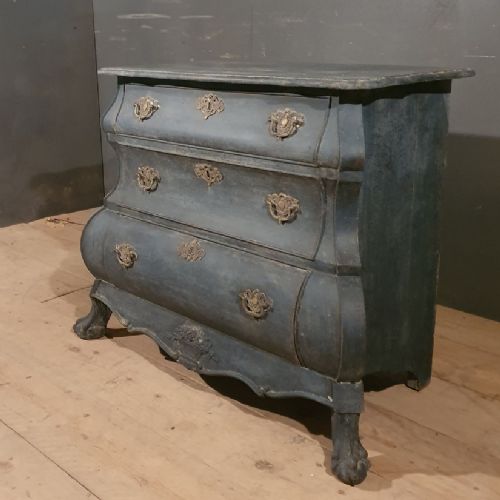
Blue Wooden Commode
A blue wooden commode brings surface colour and solid timber storage to a room, ranging from Swedish neoclassical chests to rustic pine washstands.
Blue Wooden Commode
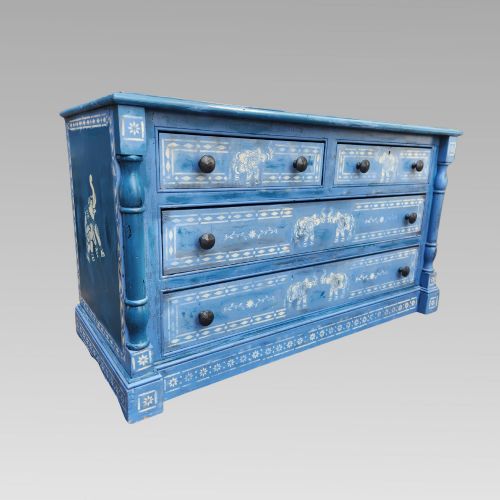
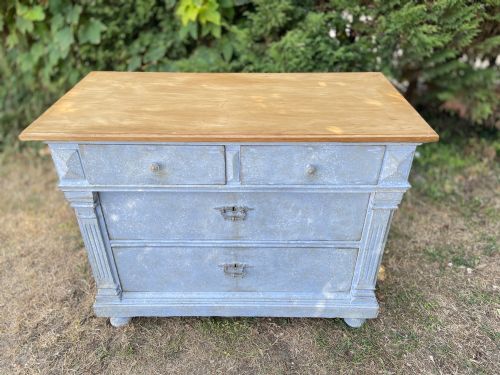
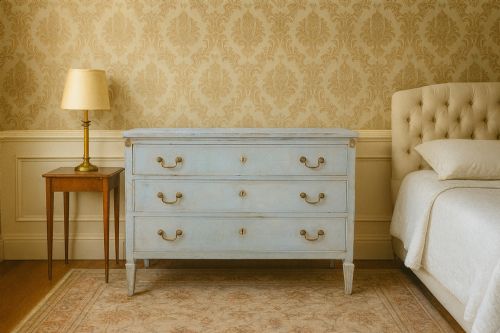
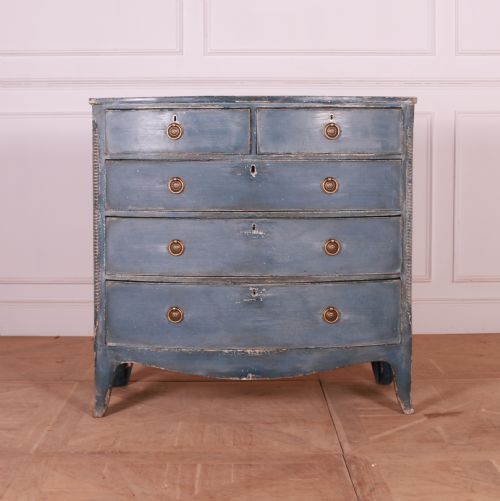
A blue wooden commode is a practical storage piece defined by its painted timber surface and drawer configuration, functioning as a chest of drawers or washstand. When searching for a blue wooden commode, buyers encounter items built from pine, oak, and softwood, often housing two or three drawers.
The selections span European country traditions, including Gustavian, Scandinavian, Italian, Portuguese, and Austrian folk art styles. Pieces range from the eighteenth century to the late nineteenth century, encompassing Georgian, Victorian, and Baroque revival periods.
Regional forms vary from serpentine fronts and bombe silhouettes to straight-edged English country chests and diamond-point commodes. Most examples rely on hand-applied paint layers that have aged to reveal the underlying timber texture.
Materials and construction methods
Makers built these pieces using solid timber foundations such as pine, oak, and softwood, shaping panels and framing joints by hand. Structural integrity depended on traditional joinery techniques suitable for domestic furniture.
Surfaces received layers of paint, often applied over preparatory coats, which weathered over decades of use. Hardware elements like brass and metal handles, pulls, and escutcheons secured the drawer fronts.
Blue Wooden Commode Retail Price Guide 2026
Typical asking prices for blue wooden commode among the pieces listed under this phrase on Sellingantiques today, from the lower quarter to the upper quarter. They describe what is for sale here now, not the wider market.
Several pieces manage to look both stately and perpetually ready for a farmhouse kitchen supper.
Distinctions in construction and finish
Quality separates pieces through the proportion of the timber frame and the finesse of the regional carving, such as serpentine curves or bombe shaping. The integrity of the original painted surface also defines the standard, with undisturbed pigment layers rating higher than modern refinishing.
Hardware details, including period-appropriate brass handles and functional drawer runners, indicate the standard of production. Finer examples display precise dovetail joinery and balanced proportions across the facade.
The Blue Wooden Commode Glossary
- Commode
- A low chest of drawers or cabinet designed for domestic storage. These pieces typically feature multiple drawer tiers.
- Gustavian
- The Swedish neoclassical style characterised by restrained classical detailing and pale painted finishes. It developed during the late eighteenth century under royal influence.
- Serpentine
- A furniture front featuring a curving line that convexly centres with concave sides. This shape requires skilled woodworking.
- Bombe
- A swelling, bulging chest profile associated with continental cabinet-making. The sides and front curve outward.
- Softwood
- Timber derived from conifers, such as pine, used widely for painted country furniture. It provides a lighter structural weight than hardwoods.
Blue Wooden Commode: Frequently Asked Questions
How do I date a painted commode?
Dating relies on examining the construction marks, timber types, and the composition of the paint layers. Hand-cut dovetails and forged iron or brass fixings generally point to earlier centuries.
Secondary woods used inside the drawers and the style of the mouldings help place the piece within periods like the eighteenth or nineteenth century.
What is a Gustavian commode?
A Gustavian commode is a Swedish interpretation of French neoclassical design, typically featuring lighter proportions and pale painted surfaces. These pieces often incorporate fluted columns or subtle carved motifs.
They emerged from Scandinavian interpretations of Louis XVI styles during the late seventeen-hundreds.
Are these pieces made of solid wood?
Yes, the listings comprise timber structures built primarily from pine, oak, and softwood. Craftsmen constructed the frames, panels, and drawer boxes entirely from wood.
Metal components appear strictly as hardware, hinges, and drawer pulls rather than structural framing.
How do I care for painted wood?
Painted wooden furniture requires a stable indoor environment away from direct sunlight and excessive moisture fluctuations. Dusting with a soft, dry cloth preserves the fragile painted surface.
Avoid chemical polishes that can soften or lift historic paint layers over time.