



Blue White Red Bowl
A blue white red bowl brings together centuries of skilled ceramic tradition, offering striking contrast and decorative presence for any room.
Blue White Red Bowl
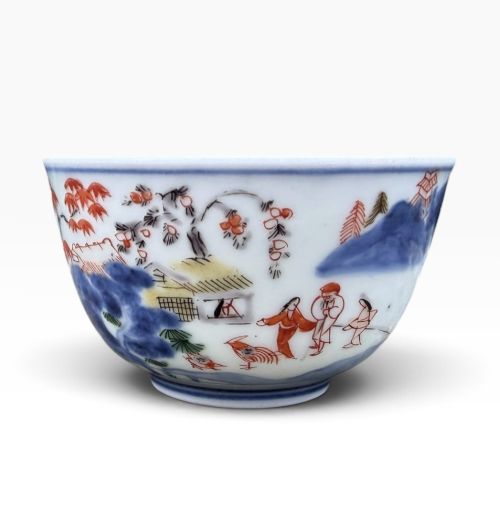
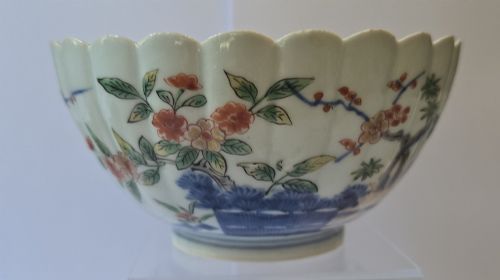
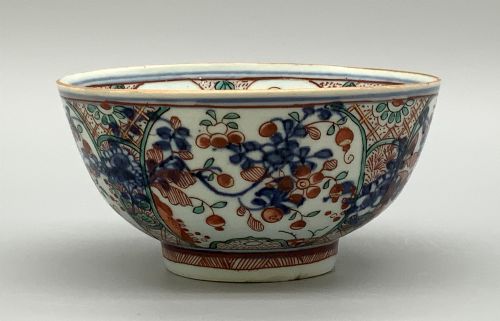
When you search for a blue white red bowl, you encounter a distinct gathering of ceramic vessels spanning several centuries. The selection on this page ranges from early Japanese Arita and Imari wares to 18th-century Chinese export pieces and later creations, alongside occasional oil paintings.
Most frequent among these are Japanese Imari bowls and Chinese export vessels from the 17th and 18th centuries. These pieces typically display hand-painted designs in cobalt blue, iron red, and white glaze, often enriched with gilding.
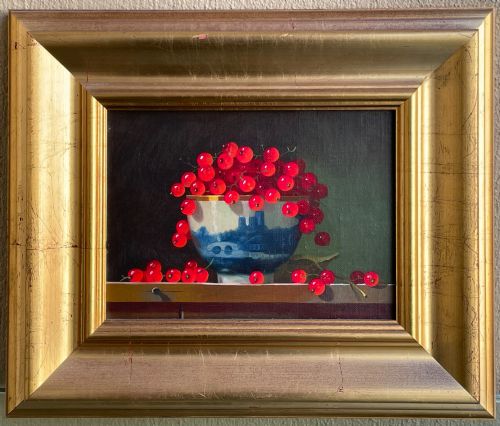
The assortment also includes decorative jardinieres and tripod bowls from specific periods like the Genroku and Meiji eras. Alongside the ceramics, you occasionally find contemporary oil paintings depicting subjects such as red berries.
How they were made
These vessels rely on traditional ceramic techniques, utilising fine porcelain shaped by hand and fired in kilns. Artisans applied cobalt blue underglaze pigments before the initial firing, followed by overglaze enamels in iron red and sometimes gold leaf.
Japanese Arita and Imari pieces demonstrate meticulous hand painting upon white porcelain foundations. Detail work often incorporates scallop-shaped edges and intricate patterns influenced by Chinese Kangxi and Japanese Edo period traditions.
Blue White Red Bowl Retail Price Guide 2026
Typical asking prices for blue white red bowl among the pieces listed under this phrase on Sellingantiques today, from the lower quarter to the upper quarter. They describe what is for sale here now, not the wider market.
One painter managed to sneak red berries into a lineup of antique Asian porcelain.
What varies in quality
The distinction between ordinary and exceptional pieces lies in the precision of the brushwork and the vibrancy of the palette. Finer examples display crisp cobalt blue underglazes paired with rich, well-preserved iron red enamels and intact gold leaf detailing.
Ian Parker
The Blue White Red Bowl Glossary
- Imari
- A style of Japanese porcelain originating in Arita, traditionally decorated in underglaze blue, iron red, and gold. This aesthetic gained immense popularity in Europe during the 17th and 18th centuries.
- Jardiniere
- A large decorative pot or bowl designed to hold plants or flowers. These items often feature substantial porcelain bodies and elaborate painted scenes.
- Porcelain
- A ceramic material made by heating raw materials, generally including clay in the form of kaolin, in a kiln. It is known for its strength, white colour, and translucent qualities.
- Genroku Period
- A Japanese era lasting from 1688 to 1704, noted for a flourishing of urban culture and refined decorative arts. Ceramics from this time often exhibit distinct stylistic traits.
- Enamel
- A decorative glass-like substance fused to the surface of porcelain through firing. In these bowls, iron red enamel provides the characteristic warm red tones.
Blue White Red Bowl: Frequently Asked Questions
What is a blue white red bowl?
These items are primarily antique porcelain vessels originating from Japan and China, created across the 17th, 18th, and early 20th centuries.
They combine cobalt blue, iron red, and white glaze, frequently featuring traditional Imari or export styles.
How were these bowls used historically?
Such vessels served as decorative centrepieces in grand homes, displayed on tables or shelves to showcase exotic imported goods.
Larger versions, such as jardinieres, functioned as decorative planters for indoor greenery.
How do I care for an antique porcelain bowl?
Handle these pieces with clean, dry hands and place them on stable surfaces away from high-traffic edges.
Clean them only with a soft, dry duster, avoiding water or chemical cleaning agents that might harm overglaze enamels and gold leaf.
How can I tell the period of an Imari bowl?
Dating relies on examining the characteristics of the porcelain body, the specific tones of the cobalt blue and iron red, and the painting style.
Earlier pieces often display distinct potting traits and pigment hues associated with the Genroku or Edo periods compared to Meiji era works.