

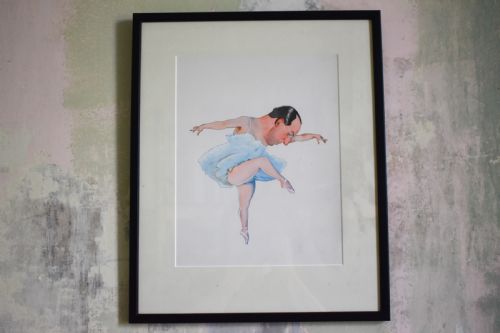
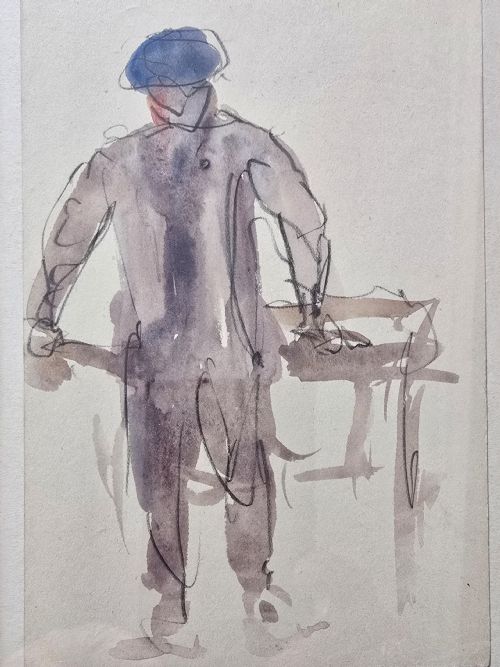

Blue Watercolour Portrait
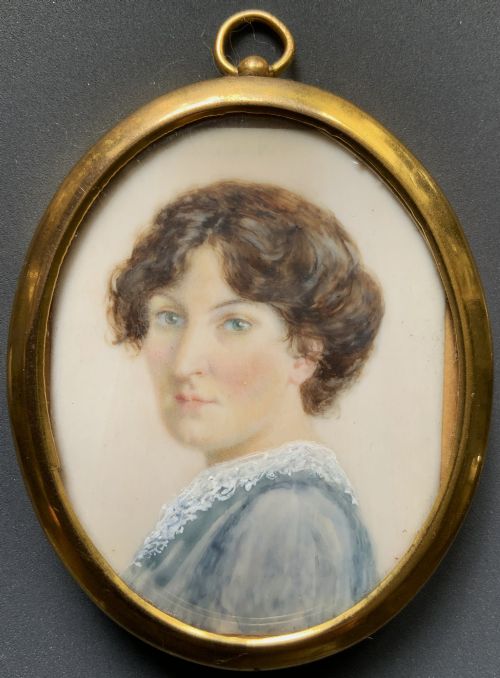
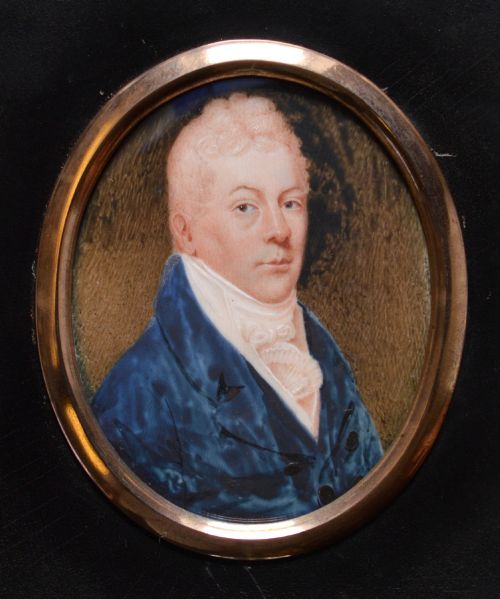
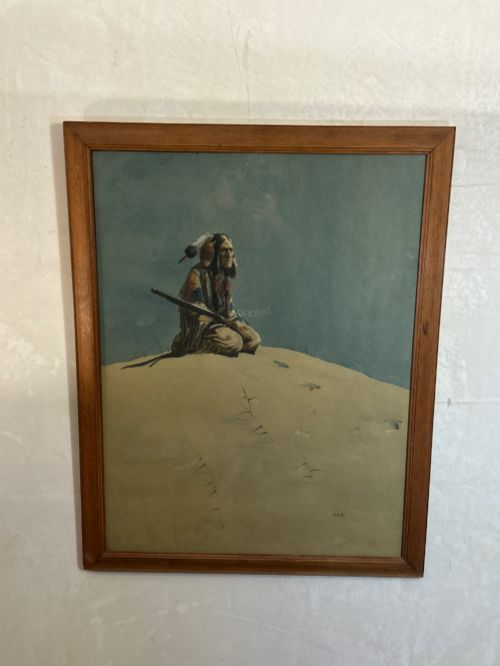
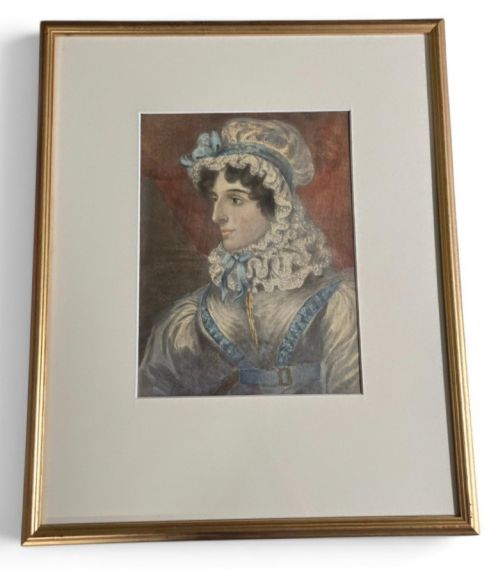
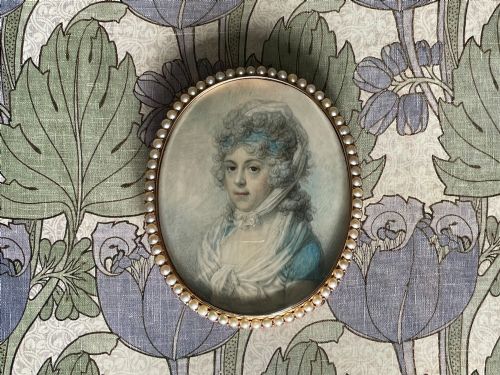
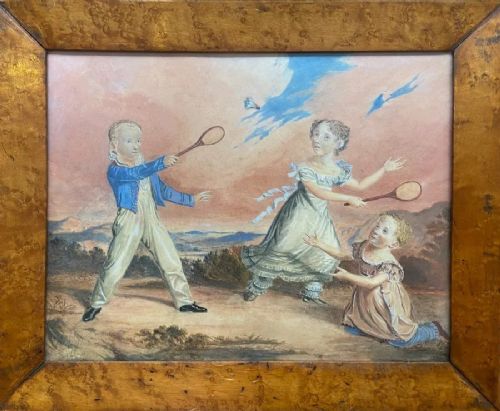
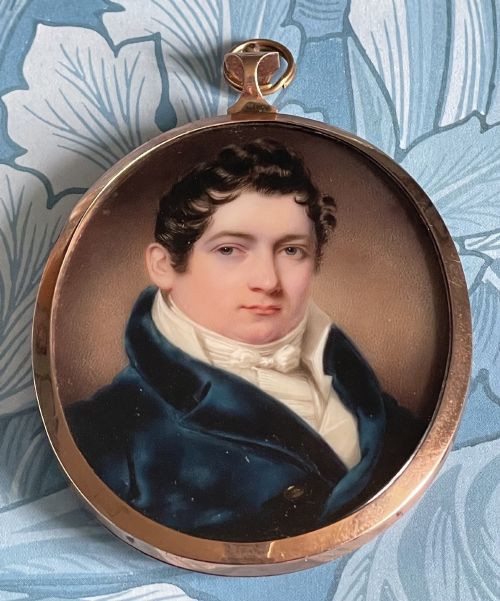
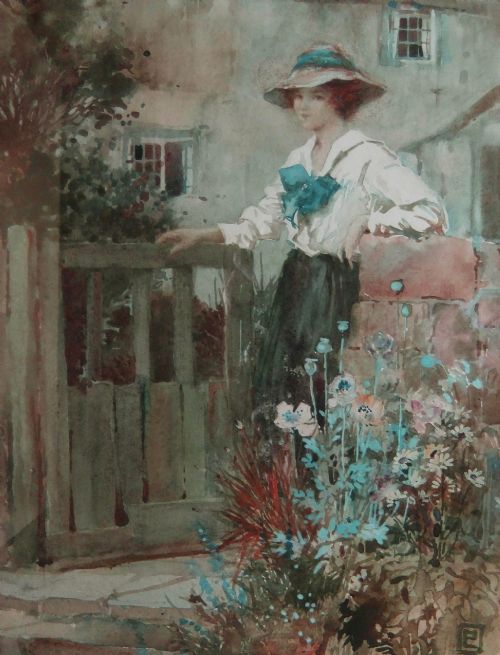
These blue watercolour portrait examples capture likenesses in delicate washes, often set in gold frames or ivory panels from Georgian and Victorian eras.
Blue Watercolour Portrait
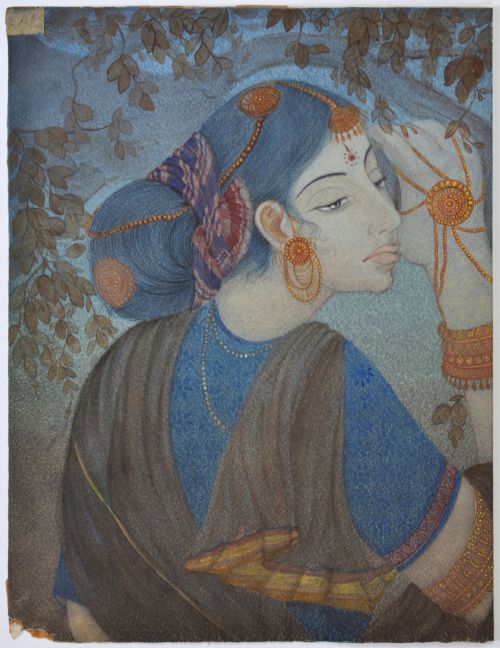
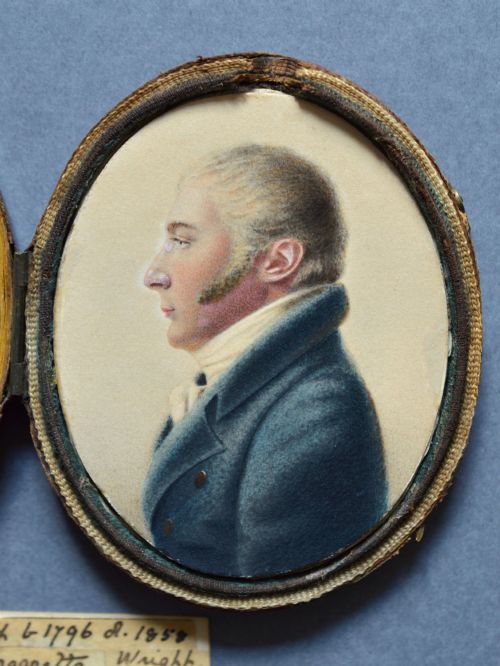
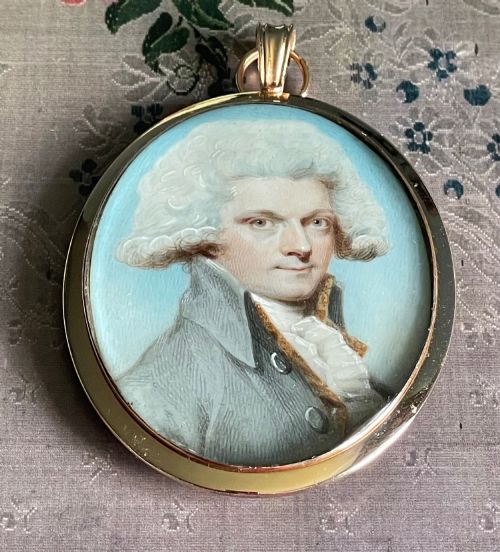
A blue watercolour portrait presents a painted likeness on paper, ivory, or card, where blue pigments define clothing, background elements, or eyes. This selection spans 18th century, Georgian, Regency, and Victorian periods.
Most pieces encountered here are small-scale portrait miniatures or framed watercolours depicting ladies, gentlemen, and children. Artists utilise delicate washes of blue pigment to render gowns, sashes, and naval uniforms.
Materials and construction
Makers applied watercolour pigments directly onto prepared paper, thin slices of ivory, or pith paper. These delicate painted surfaces required protection behind glass housed within timber, ebonised, or gilt metal frames.
Many 18th and 19th-century works incorporate precious metals such as gold or giltwood for bezels and pendants. Backings often utilise wood or card to support the miniature substrate.
Listings feature watercolours on paper, ivory, and pith paper, housed within gold, giltwood, glass, and wooden frames across multiple centuries.
Determining quality in portrait miniatures
The choice of housing influences overall calibre, with original gold frames and intact protective glass preserving the integrity of the fragile pigment underneath.
Charles Shirreff·Richard Cosway·John C D Engleheart·Philip Richard Morris·Vincenzo D Esposito·William Egley·Susie Lassam·George Engleheart
The Blue Watercolour Portrait Glossary
- Miniature painting
- A small-scale portrait created with fine watercolours or gouache. These works demand microscopic precision from the artist.
- Ivory panel
- A thin slice of elephant ivory used as a painting surface for portrait miniatures. It imparts a luminous quality to translucent watercolours.
- Bezel
- The metal rim holding the glass and portrait within a pendant or frame. It is frequently fashioned from gold or gilt metal.
- Ebonised frame
- Timber stained black to imitate ebony. This dark framing style was popular for nineteenth-century portrait displays.
- Pith paper
- A delicate material formed from plant pith, used in Chinese export watercolours. Pigments sit brightly upon its cellular surface.
Blue Watercolour Portrait: Frequently Asked Questions
What is a blue watercolour portrait?
It is a painted likeness on paper, ivory, or card where blue pigments feature prominently in the attire, background, or subject matter. These works range from small pocket-sized miniatures to larger framed watercolours.
Artists from the Georgian, Regency, and Victorian eras created these pieces to commemorate family members, military officers, or notable personalities using delicate water-based pigments.
How were portrait miniatures displayed?
Many miniatures were framed in timber, ebonised wood, or housed inside protective cases meant for travel. Owners often wore them as pendants set in gold frames.
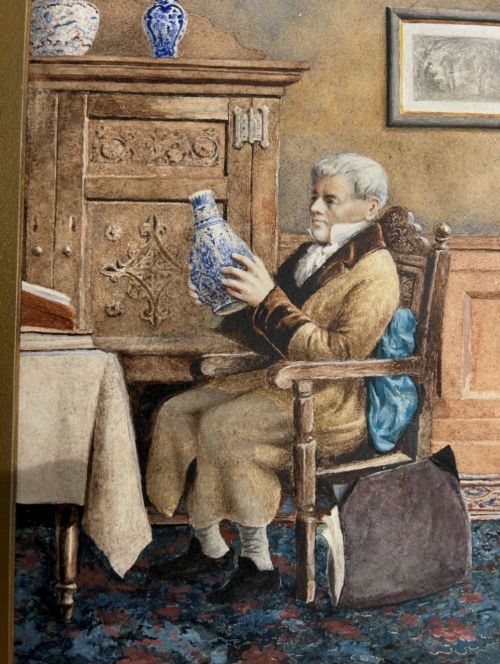
Domestic interiors also displayed framed watercolours on walls or placed them upon mantelpieces within supportive wooden surrounds.
How can I date a portrait miniature?
Dating relies heavily on the clothing styles, hairstyles, and framing techniques characteristic of periods like the Georgian, Regency, or Victorian eras. High collars, powdered hair, and specific bonnet shapes offer clear chronological markers.
Inscribed labels, paper backs, and signatures on the reverse or front of the painting also assist in establishing an accurate period.
Are these watercolours painted on ivory?
Several 18th and 19th-century portrait miniatures utilise thin slices of ivory as the primary painting surface. This organic substrate provides a warm luminosity beneath translucent watercolour washes.
Other works in the collection utilise paper, card, or pith paper depending on the regional origin and the specific decade of creation.