


Blue Vintage Painting
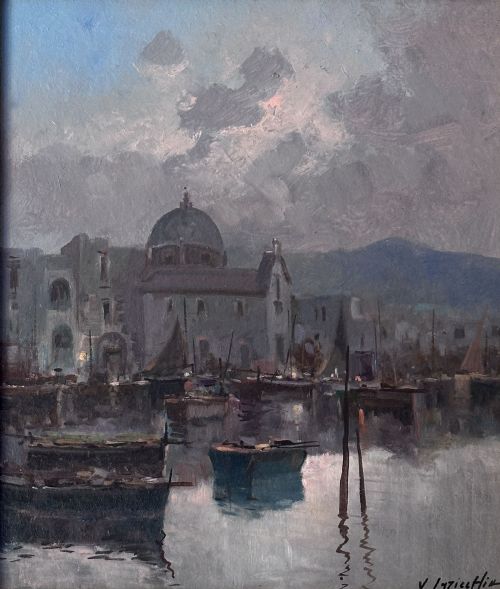
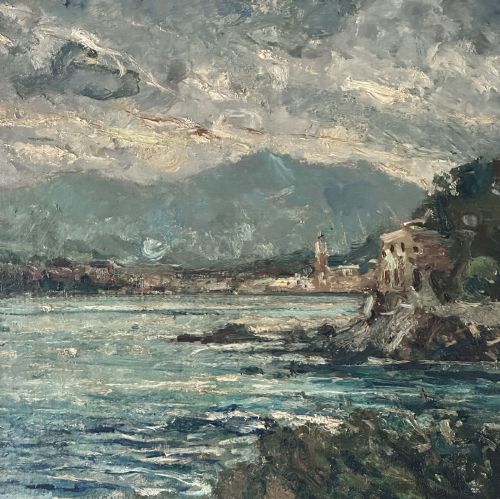
A blue vintage painting brings cool tones and hand-rendered depth to a room, ranging from coastal watercolours to mid-century oils.
Blue Vintage Painting
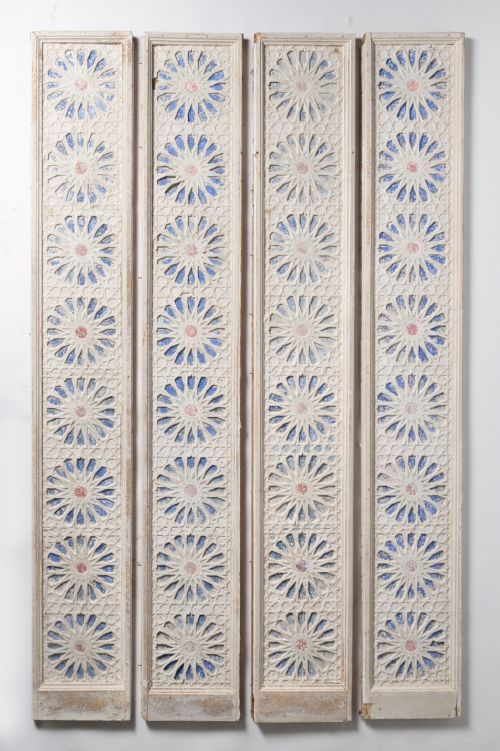
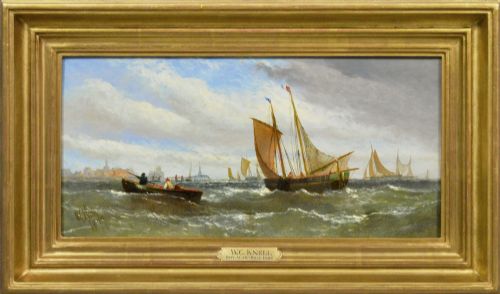
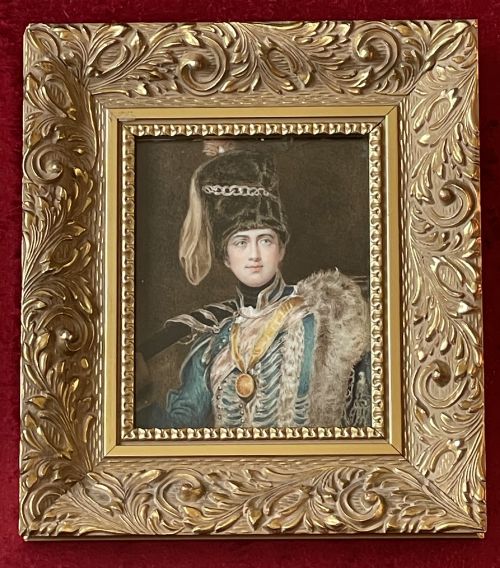
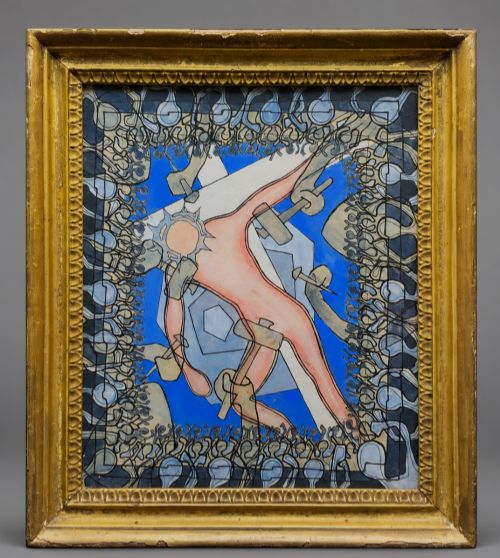
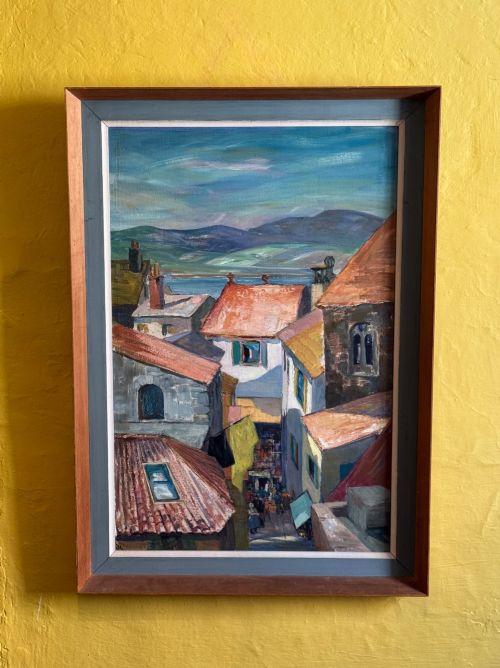
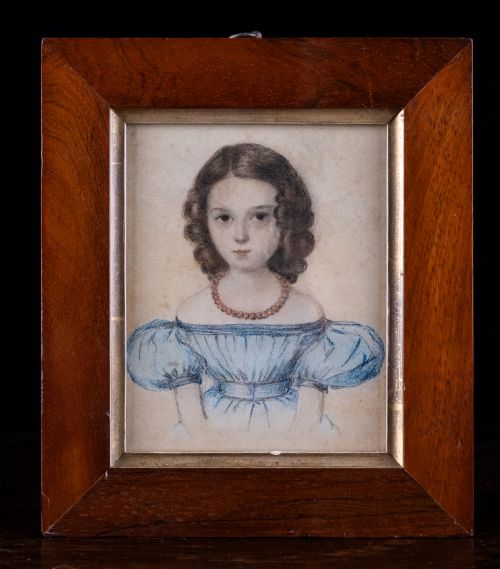
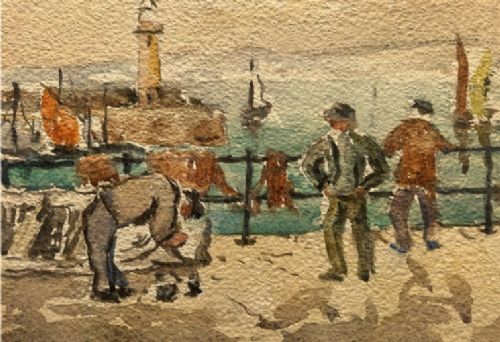
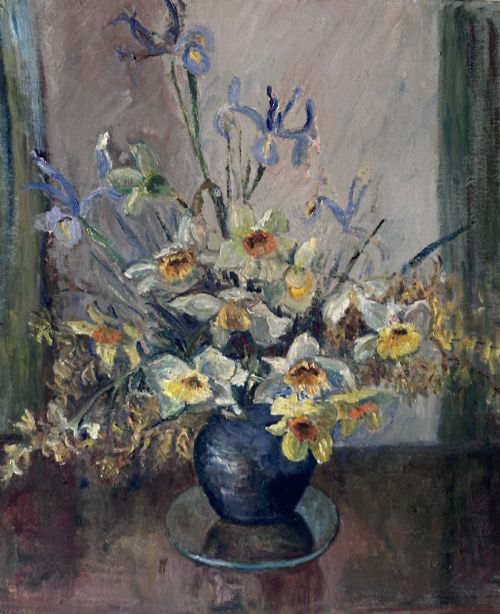
When someone searches for a blue vintage painting, they encounter a diverse selection of artworks spanning several centuries and movements. The pieces on this page include watercolours, pastels, gouache, and oil paintings on canvas or paper, reflecting maritime scenes, landscapes, and portraits. Most examples date from the nineteenth century through the mid-twentieth century, capturing varied regional traditions.
Buyers will most frequently find nineteenth-century works and mid-century modern pieces, such as landscape sketches and coastal views. These artworks often utilise cool palettes dominated by cobalt, indigo, and softer slate tones applied by named artists or studio portfolios. Forms range from intimate miniature watercolours to larger framed canvas works.
Materials and Technique
The physical support and pigment application define the construction of these works, relying primarily on paper, stretched canvas, and occasionally wood panels. Watercolour and gouache pigments sit directly on absorbent paper sheets, whilst oil paints employ binders that layer thickly upon canvas surfaces. Supporting elements frequently include gold leaf accents and protective glass framing.
Artists deployed distinct brushwork and media techniques depending on the period, from the fluid washes of Victorian marine watercolours to the heavier impasto of mid-century oil paintings. Pastels required careful fixing to paper supports, whereas gouache provided opaque, matte finishes suited to architectural and landscape details.
Blue Vintage Painting Retail Price Guide 2026
Typical asking prices for blue vintage painting among the pieces listed under this phrase on Sellingantiques today, from the lower quarter to the upper quarter. They describe what is for sale here now, not the wider market.
Some paintings preserve accidental studio thumbprints pressed into wet pastel pigment by artists working in haste.
Assessing Quality in Works
Quality rests upon the artist's command of medium and composition, separating accomplished studio output from amateur production. Superior pieces demonstrate confident mark-making, subtle tonal gradation in blue pigments, and balanced spatial arrangements within the frame.
The preservation of the paper or canvas surface dictates lasting value, alongside the integrity of original mountings and frames. Works that maintain vibrant pigment retention without excessive fading or damp staining exhibit the highest standard of survival.
John Russell·William Shayer·Philip Naviasky·Herbert Royle·Sir David Murray·Angus Rands·Donald McIntyre
The Blue Vintage Painting Glossary
- Watercolour
- A paint consisting of pigment suspended in a water-based solution, traditionally applied to paper. It creates translucent layers that allow the white of the paper to illuminate the composition.
- Gouche
- An opaque water-based paint containing pigment, water, and a binding agent such as gum arabic, often mixed with white to create solid, matte colour fields.
- Impasto
- A technique where paint is laid onto a canvas in thick areas, making brush or palette-knife strokes visibly prominent and giving texture to the surface.
- Pastel
- A dry painting medium in the form of a stick, consisting of powdered pigment and a binder. It requires protective glass framing to prevent the powdery surface from smudging.
Blue Vintage Painting: Frequently Asked Questions
How do I hang a vintage painting safely?
Ensure the wall fixings match the weight of the framed artwork and use picture wire secured to sturdy D-rings on the reverse.
Keep the painting away from direct sunlight and damp walls to protect the paper, canvas, and pigments from environmental damage.
What is the difference between watercolour and gouache?
Watercolour relies on translucent washes where the underlying paper reflects light through the pigment layers.
Gouache includes added chalk or white pigment to create an opaque, flat finish that covers the support completely.
How should I clean a framed painting?
Dust the wooden or gilded frame gently with a dry, soft-bristled brush, avoiding any moisture near exposed canvas edges.
Clean glass-fronted watercolours using a lint-free cloth sprayed with a mild glass cleaner, taking care not to let liquid seep behind the frame.
Can I reframe an antique artwork?
Original period frames often add historical context and value, so keeping them intact is generally preferred by collectors.
If a frame is structurally failing, consult a professional framer to use acid-free materials that protect the painting during rehousing.