



Blue Velvet Table
A blue velvet table search brings up small display pieces and seats dressed in rich textile, built to catch the eye.
Blue Velvet Table
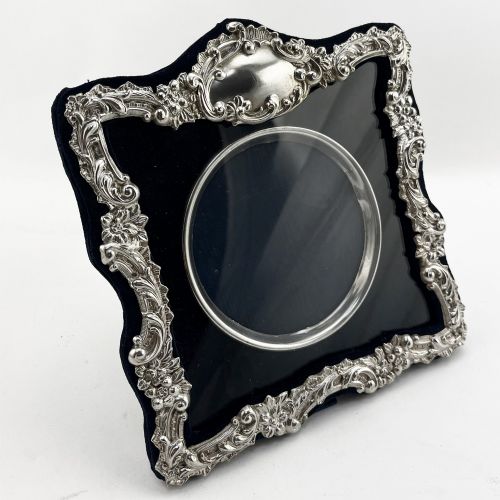
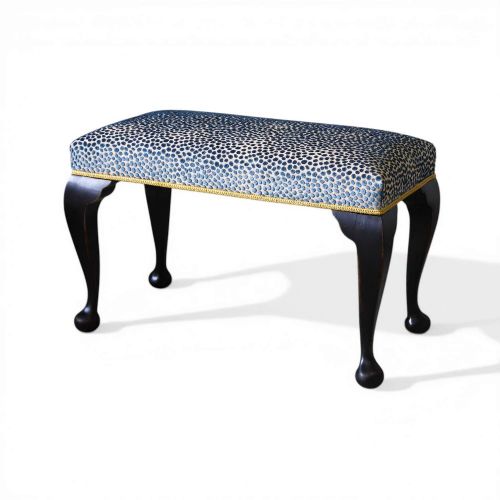
The blue velvet table search captures a varied mix of small furnishings and accessories, led by stools, photo frames, and display items. You are most likely to meet Edwardian and Victorian stools featuring upholstered seats alongside silver-backed frames.
The objects span multiple decades from the Regency era through to the 1930s, incorporating display tables, vanity cases, and dressing table accessories. Walnut, rosewood, and ebonised wood provide the foundational structures for these textile-accented items.
Many listings centre on domestic refinement, such as bijouterie tables and jewellery boxes lined or backed in deep fabrics. The variety ranges from functional seating to decorative tabletop pieces designed for personal display.
How they were made
Makers utilised traditional timbers such as walnut, mahogany, and rosewood for the structural elements of these stools and small tables. Woodworking techniques included turned legs and carved frames to support the soft textile surfaces.
Textiles like velvet were combined with structural wood and sterling silver mounts, particularly on photo frames and dressing accessories. Metalworking skills are evident in the sterling silver frames and silver-plated napkin rings accompanying the textile pieces.
Blue Velvet Table Retail Price Guide 2026
Typical asking prices for blue velvet table among the pieces listed under this phrase on Sellingantiques today, from the lower quarter to the upper quarter. They describe what is for sale here now, not the wider market.
Listings span periods from the Regency era through to the 1930s, utilising materials including sterling silver, walnut, rosewood, and velvet.
What varies in quality
The distinction between standard and superior pieces rests on the depth of the wood carving and the crispness of the turning on legs. Finer examples display carefully shaped rosewood or walnut structures that complement the textile upholstery rather than serving as mere support.
Quality also shows in the weight and detailing of the silver mounts and frames paired with the fabric backs. Heavier cast silver and sophisticated joinery elevate an item above mass-produced domestic wares.
The Blue Velvet Table Glossary
- Bijouterie table
- A glass-topped display table designed to showcase small treasures, trinkets, and curiosities. These pieces often feature textile linings to protect delicate items.
- Ebonised
- Wood that has been treated to resemble dense, black ebony. This finish was common on Victorian and Edwardian seating and decorative frames.
- X-framed
- A structural form utilising crossed stretchers or legs shaped like the letter X. This method provides stability to stools and benches from the nineteenth century.
- Sterling silver
- An alloy containing a high proportion of silver used for photo frames, hat pin stands, and dressing accessories. It provides a durable, lustrous metal mount for velvet and glass components.
- Hat pin stand
- A small upright accessory designed to hold long decorative hat pins. These items often incorporate weighted bases and decorative metallic or textile elements.
Blue Velvet Table: Frequently Asked Questions
What is a blue velvet table?
The phrase generally points toward small display tables, bijouterie cases, or seating items accented with rich textile surfaces. They serve as decorative focal points for holding small personal treasures.
Buyers exploring this category encounter a mix of Edwardian and Victorian display furniture, dressing accessories, and upholstered stools designed for domestic refinement.
How were these antique stools used?
Stools with upholstered seats served as functional seating in dressing rooms, parlours, and bedrooms. Their compact dimensions allowed them to be moved easily around the home.
Many examples feature turned wooden legs and sturdy frames built to withstand daily use while adding a decorative textile element to the room.
How do I identify a Victorian piece?
Victorian items often display heavier timber construction using walnut or rosewood, sometimes featuring elaborate carving or ebonised finishes. The decorative vocabulary draws heavily on revival styles and rich textural contrasts.
Examining the underlying woodwork and hardware helps determine whether an object belongs to the mid or late nineteenth century.
Where do I place a bijouterie table?
Bijouterie tables work best in reception rooms or drawing rooms where their glass tops can display small collections. They invite close inspection of contents placed against fabric linings.
Positioning them away from direct sunlight protects both the internal display items and the structural wood from fading.