



Blue Transfer Print
Blue transfer print brings together cobalt pigment and refined clay to create pictorial pottery that defined dining rooms across the centuries.
Blue Transfer Print
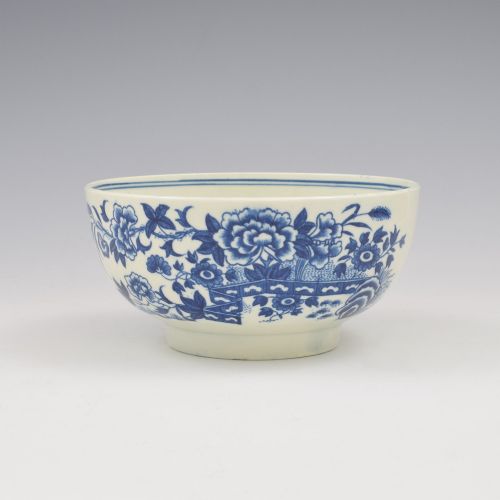
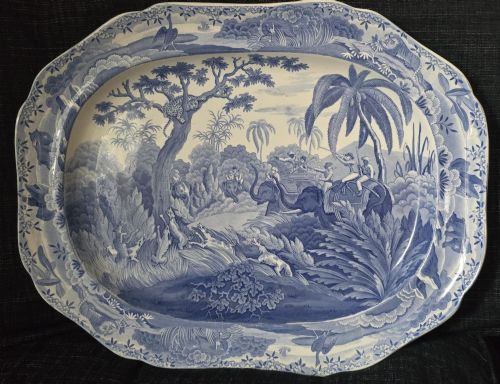
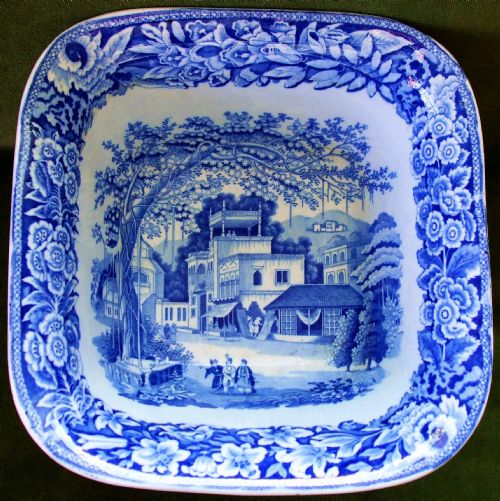
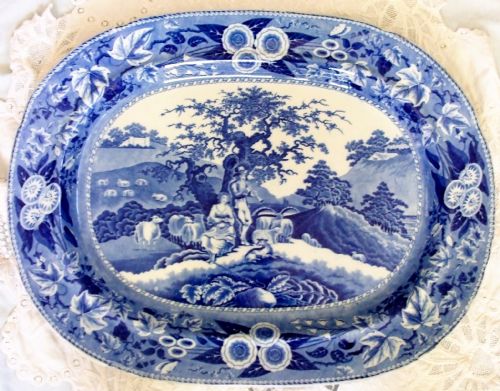
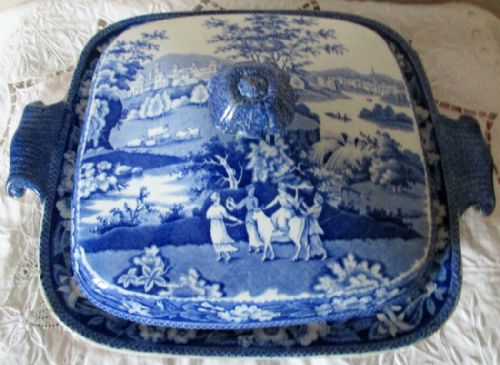
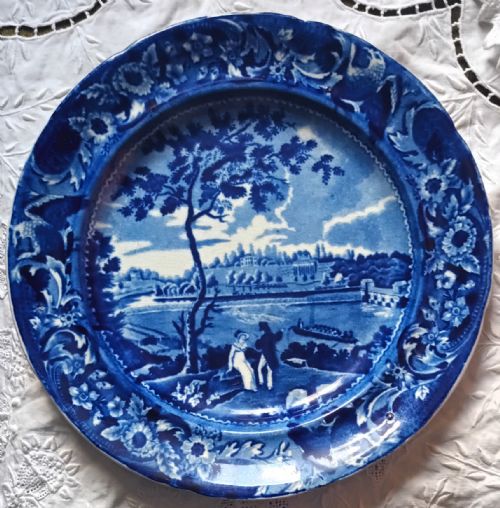
When you search for blue transfer print, you encounter table wares and decorative items that span the eighteenth, nineteenth, and early twentieth centuries. These encompass serving platters, meat dishes, vegetable tureens, footbaths, and various plates adorned with pictorial scenes.
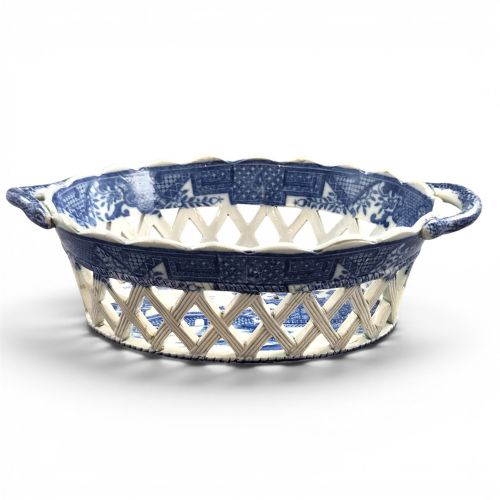
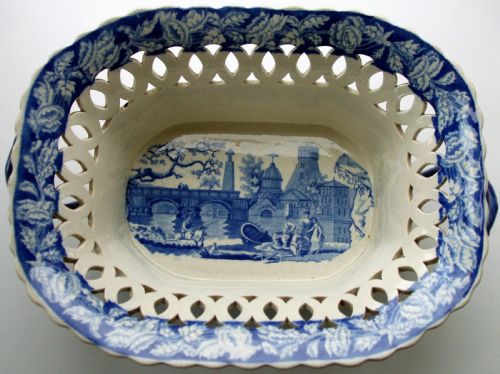
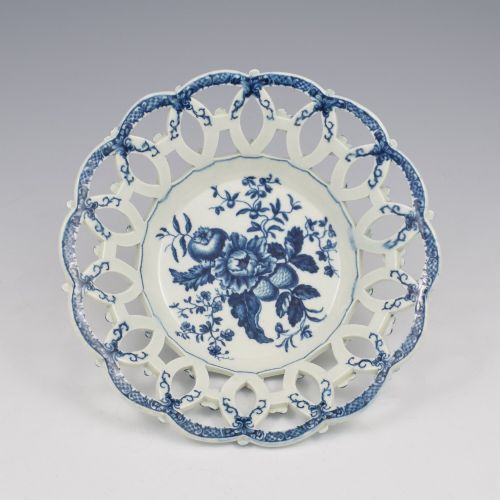
The objects originate primarily from English kilns, ranging from early porcelain works to heavy earthenware potteries. Domestic forms such as jugs, mugs, and chestnut baskets sit alongside large serving pieces designed for substantial meals.
Georgian and Victorian examples dominate the selection, showing both classic Chinoiserie motifs and topographical views. Buyers find domestic pottery alongside porcelain pieces from established factories.
How they were made
Potters employed cobalt pigment applied through paper transfers onto ceramic bodies before sealing the surface with lead or standard glaze. This technique allowed intricate pictorial scenes, from classical ruins to pastoral landscapes, to be reproduced with consistency.
Earthenware, pearlware, and soft-paste porcelain served as the primary ceramic bases for these items. Firing in kilns fixed the cobalt pigment beneath the glossy glaze, protecting the blue design from daily wear.
Blue Transfer Print Retail Price Guide 2026
Typical asking prices for blue transfer print among the pieces listed under this phrase on Sellingantiques today, from the lower quarter to the upper quarter. They describe what is for sale here now, not the wider market.
Object forms span large meat platters, chestnut baskets, footbaths, and decorative plates.
What varies in quality
The clarity and depth of the cobalt pigment set individual pieces apart, with superior examples showing crisp lines and rich tones without blurring. The precision of the transfer application determines whether intricate borders and central scenes align harmoniously across the ceramic surface.
The refinement of the underlying clay body dictates the tactile merit of the piece, distinguishing heavy utilitarian earthenware from delicate soft-paste porcelain. Superior potting shows in the thinness and evenness of plates, bowls, and hollowware.
J. and R. Clews·J. and R. Riley·Thomas Lakin·Brameld and Co·Mintons·Ridgways
The Blue Transfer Print Glossary
- Transferware
- Pottery decorated by printing a design from an engraved copper plate onto tissue paper, which was then transferred onto the unglazed or bisque ceramic body.
- Pearlware
- A refined earthenware developed in the late eighteenth century featuring a subtle bluish glaze that pooled in recesses to mimic Chinese export porcelain.
- Soft-paste porcelain
- A ceramic composition made from white clay and glass frit, fired at lower temperatures than true hard-paste porcelain.
- Tureen
- A deep covered serving dish used for soups, sauces, or vegetables at the dining table.
- Chinoiserie
- A European artistic style reflecting Chinese motifs and imaginary landscapes, frequently adapted in blue and white ceramics.
Blue Transfer Print: Frequently Asked Questions
Can I use these platters for serving food?
Most antique earthenware and porcelain serve well for dry foods or presentation. Consider the age and existing glaze condition before serving high-acid or staining foods.
Displaying them on walls or in cabinets protects the surface from modern utensils. Many collectors prefer to enjoy them as visual art rather than functional tableware.
How do I date a blue and white transfer piece?
Examine the ceramic body, glaze colour, and maker marks stamped or impressed on the underside. Pearlware bodies typically point to the late eighteenth or early nineteenth century.
Stylistic cues such as border patterns and subject matter also help narrow the production era. Comparing the printed mark against known factory operating dates provides a reliable timeframe.
What causes the blue colour to blur?
Blurring occurs when the cobalt pigment bleeds into the liquid glaze during the high-temperature kiln firing. This trait often depends on the viscosity of the specific glaze mixture used by the pottery.
Some collectors prize this soft effect as a charm of early nineteenth-century production. Crisp transfers represent tighter technical control by the decorator.