



Blue Shade Table Lamp
A blue shade table lamp brings rich colour and light to a room, offering everything from converted Oriental vases to Victorian brass oil lamps.
Blue Shade Table Lamp
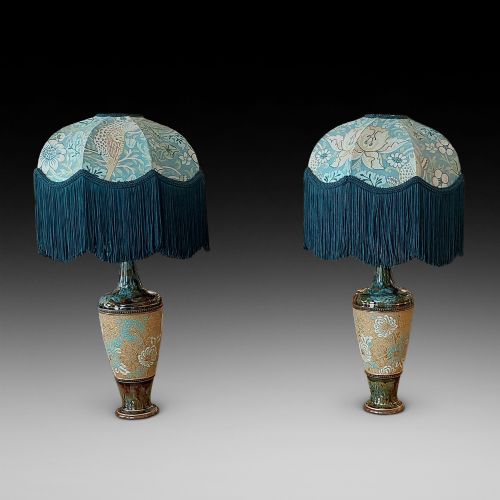
When you search for a blue shade table lamp, you encounter a diverse gathering of lighting solutions spanning several centuries. The selection encompasses converted antique vessels, traditional oil lamps, and classical columns adapted for modern electric use.
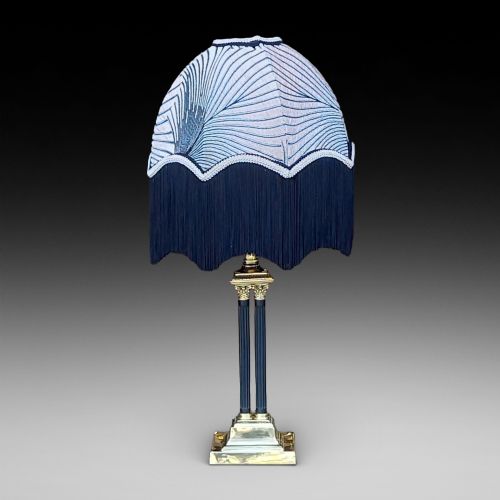
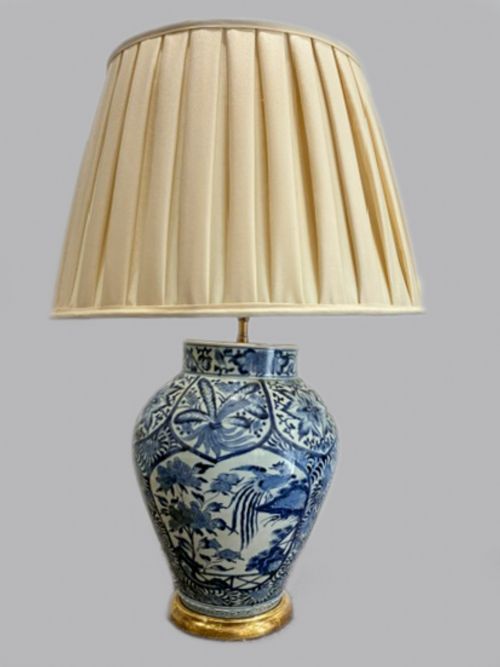
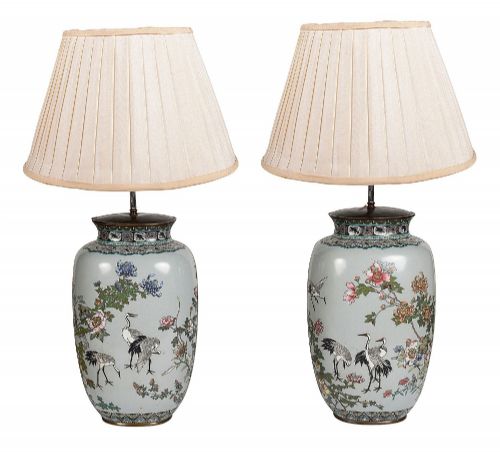
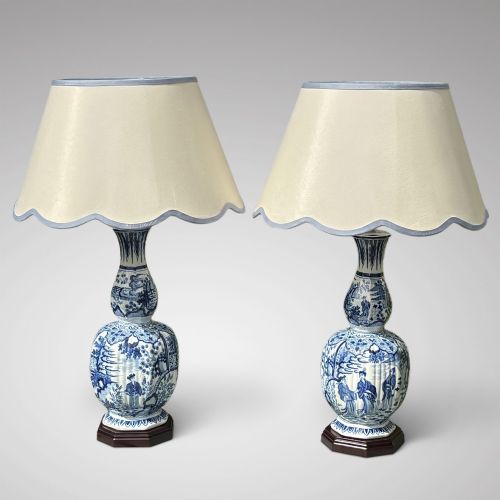
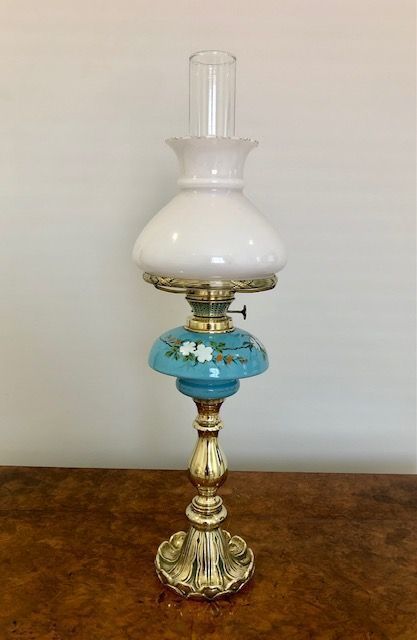
The versions met most frequently on this page include nineteenth-century Chinese and Japanese porcelain vases transformed into lamps, alongside Victorian brass pillars and oil lamps featuring blue fonts or glass shades. These pieces merge historical craftsmanship with functional domestic illumination.
How they were made
The construction of these lamps relies on durable base materials such as brass, bronze, cast iron, and wood, paired with porcelain, ceramic, or glass bodies. Metal components often feature column designs like the Corinthian or Doric order, whilst ceramic elements display detailed blue and white glazes, cloisonné enamel, or crackleware finishes.
Many items originated as utility objects, vases, or candlesticks before conversion into lamps by wiring them or adding fabric and silk shades. Glass parts utilise etching, frosting, or crimping techniques to diffuse light and display rich blue tones.
Listings feature periods spanning from the seventeenth century through the Art Deco era, incorporating brass, porcelain, silk, and gilt bronze.
What varies in quality
The distinction between tiers of quality rests upon the fineness of the original vessel and the harmony of its conversion. Hand-painted porcelain details, crisp casting on brass columns, and the integration of handmade shades elevate certain examples above standard utilitarian pieces.
Makers utilise distinct materials to signal status, ranging from simple brass and iron bases to gilt bronze, ormolu, and intricate cloisonné enamel. The depth of the blue pigment in the ceramic glaze and the preservation of the original body material dictate the overall character of the lamp.
Tiffany Studios NYC
The Blue Shade Table Lamp Glossary
- Cloisonné
- Enamel work created by pouring vitreous paste into compartments formed by soldered metal wires on a base. This technique produces intricate patterns often seen on Japanese and Chinese vases.
- Corinthian Column
- A classical architectural order featuring an ornate capital decorated with acanthus leaves. Many nineteenth-century brass table lamps adopt this column form for their main shaft.
- Imari
- A style of Japanese porcelain decorated in underglaze blue and overglaze red, gold, and green. These wares frequently appear converted into table lamps.
- Gimbal
- A pivoted ring assembly designed to keep an object level despite motion. These appear on naval ship lamps fitted with black enamelled iron bases.
- Ormolu
- Gilt bronze ornamentation applied to furniture and decorative objects. Louis XVI style pieces use this technique to add metallic highlight to candlestick lamps.
Blue Shade Table Lamp: Frequently Asked Questions
How do I date a brass table lamp?
Dating a brass lamp depends on examining the style of the column, such as Corinthian or Doric orders popular in the nineteenth and early twentieth centuries. Component assembly methods and base weights also provide clues to the era of manufacture.
Makers often used specific casting techniques that evolved from Victorian oil lamp fittings to later electrical adaptations. Comparing the patination and wear patterns helps confirm the period.
Were these always electric lamps?
Most of these pieces began life as something else entirely before conversion into electric lamps. Many started as oil lamps, candlesticks, or Asian porcelain vases.
Craftsmen adapted these vessels by drilling bases or adding internal wiring and matching shades. This practice preserves older decorative objects by giving them a modern function.
What is a converted vase lamp?
A converted vase lamp is an antique ceramic, glass, or bronze vessel that has been fitted with electrical components to serve as lighting. These range from seventeenth-century Japanese vases to nineteenth-century Chinese blue and white ginger jars.
The transformation allows collectors to display decorative ceramics as functional room lighting. Such pieces retain their original glaze work and form beneath the added lamp hardware.
How do I clean antique brass and porcelain?
Cleaning antique brass requires gentle wiping to preserve the natural aged patina rather than aggressive polishing. Strong chemical cleaners can strip historical surface wear that proves the age of the metal.
Porcelain and glass components benefit from careful dusting with a soft cloth. Care must be taken around hand-painted blue and white glazes or delicate enamel work.