

Blue Seascape Oil Canvas
A blue seascape oil canvas brings the movement of coastal tides and deep water directly onto the wall.
Blue Seascape Oil Canvas
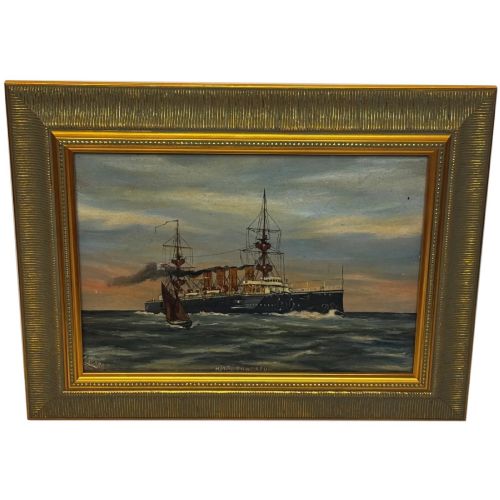
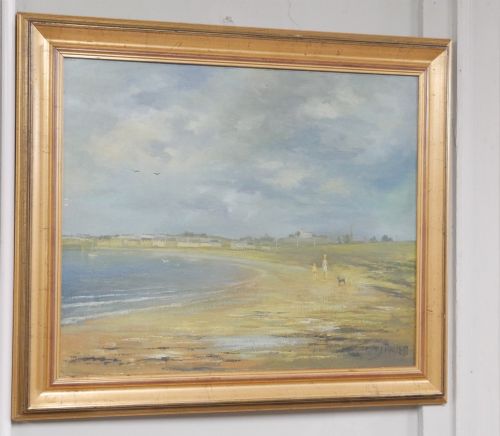
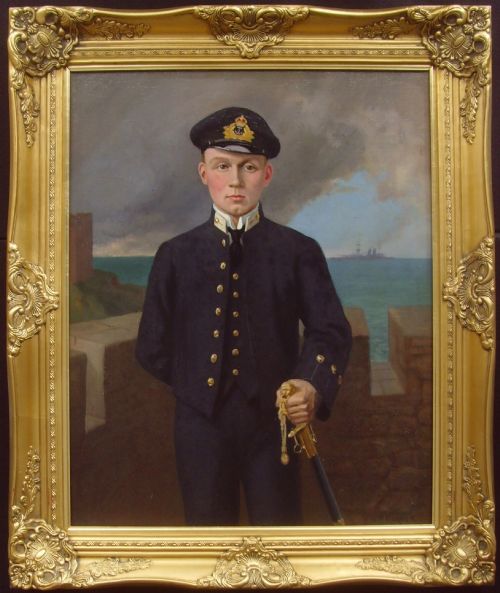
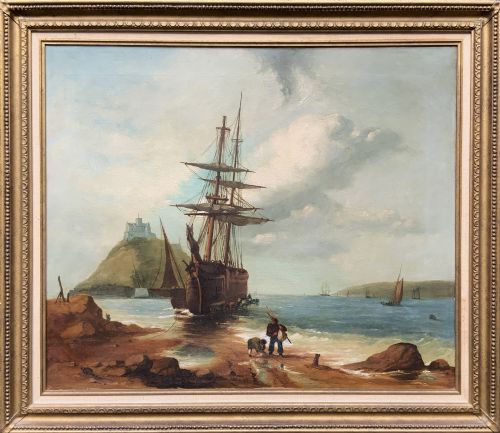
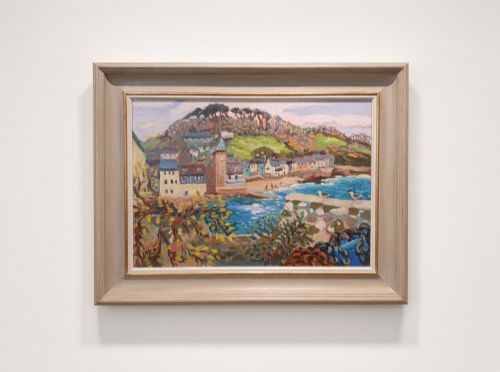
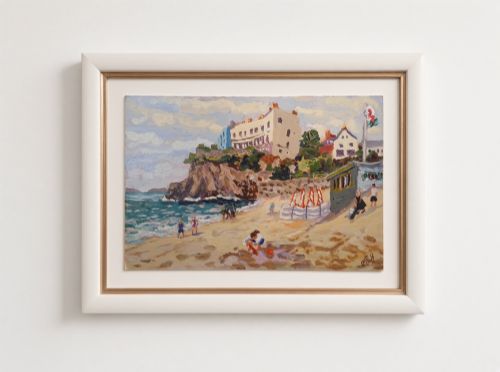
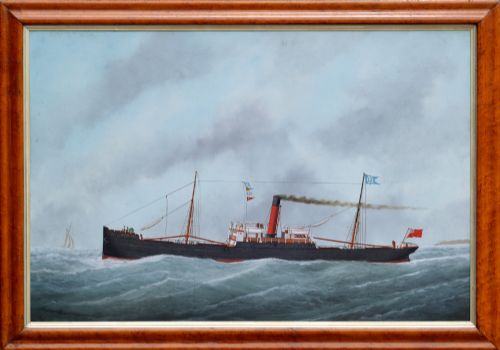
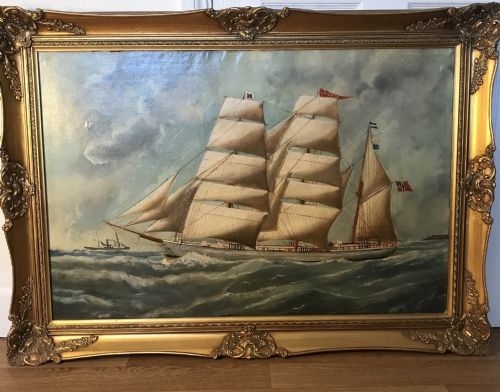
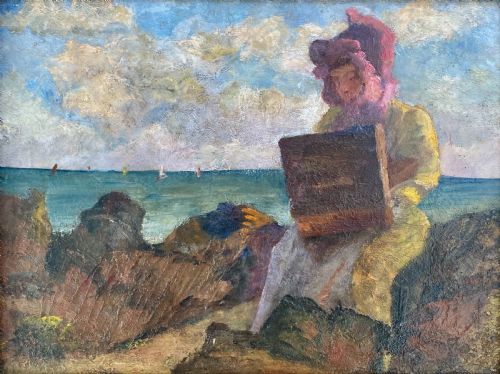
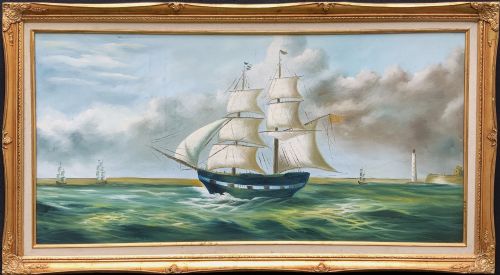
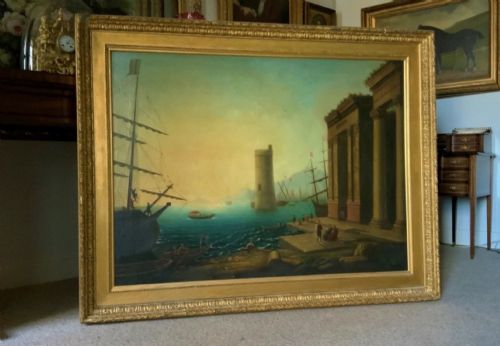
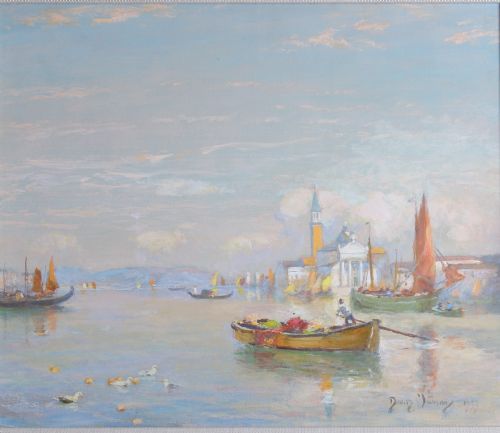
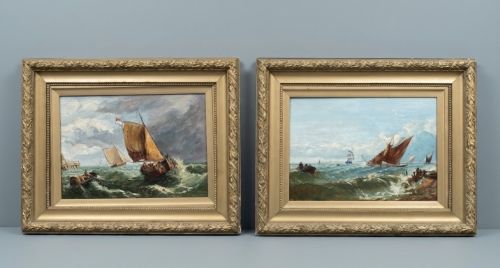
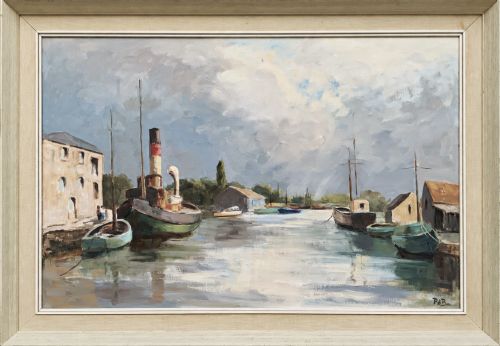
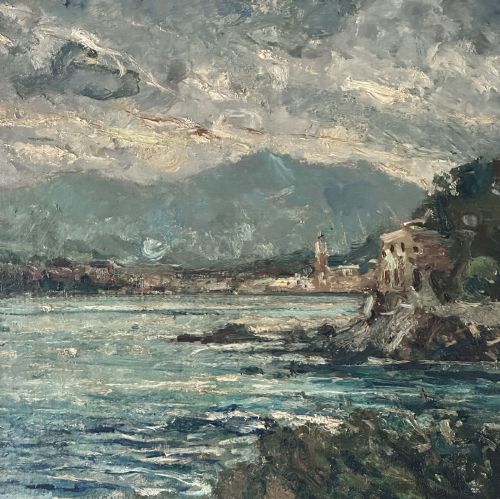
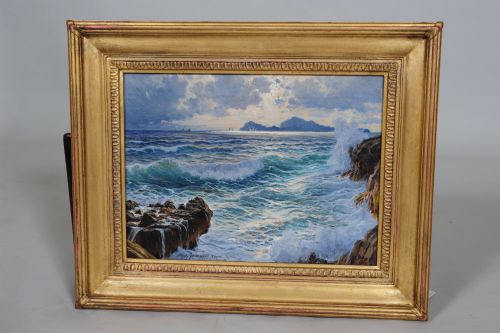
When searching for a blue seascape oil canvas, collectors encounter painted views of oceans, harbours, and coastal inlets rendered primarily in oil paint. These works span from the nineteenth century through the mid-twentieth century, capturing maritime scenes on canvas supports.
The selections on this page frequently include depictions of Venetian lagoons, Cornish harbours, and sailing vessels navigating open waters. Painters utilise varying brushwork to record the shifting tones of marine environments.
Examples range from traditional maritime realism to post-impressionist interpretations of coastal light. The subject matter centres firmly on water, ships, and shorelines rendered through oil mediums.
Distinctions in Quality
The handling of light and atmospheric depth separates standard coastal depictions from accomplished marine art. Superior canvases demonstrate a confident command of tone, particularly in rendering the translucent qualities of sea water and sky.
Condition of the canvas and the preservation of the original pigment layers influence the overall integrity of the piece. The harmony between the painted surface and its period wooden frame also contributes to the standing of the work.
Blue Seascape Oil Canvas Retail Price Guide 2026
Typical asking prices for blue seascape oil canvas among the pieces listed under this phrase on Sellingantiques today, from the lower quarter to the upper quarter. They describe what is for sale here now, not the wider market.
Several canvas views capture quiet harbours where generations of sailors once mended nets under salt-laden breezes.
Bernard Gribble·Peter Brannan·Francis Moltino·Thomas Creswick·Joseph Farquharson·Edward Seago
The Blue Seascape Oil Canvas Glossary
- Canvas
- A heavy woven fabric used as a surface for oil painting. It is typically stretched tightly over a wooden frame before work begins.
- Impasto
- A technique where paint is laid onto a canvas in very thick areas, usually thick enough that the brush or painting-knife strokes are visible.
- Maritime Realism
- An artistic style dedicated to the accurate depiction of ships, coastal views, and the sea. It places high value on nautical precision.
- Post-Impressionism
- An art movement that extended impressionism while rejecting its limitations, focusing on symbolic content and vivid use of colour.
- Gilded Wood
- Wood that has been coated with a thin layer of gold leaf or gold paint. Frames of this material frequently accompany antique oil paintings.
Blue Seascape Oil Canvas: Frequently Asked Questions
What defines a blue seascape oil canvas?
These works feature marine and coastal subjects painted in oil upon canvas, emphasising water and sky. The palette relies heavily on blue tones to capture the sea.
Such paintings document maritime history, shipping, and coastal topography across multiple decades and artistic movements.
How should I hang an oil painting?
Display the canvas away from direct sunlight and sudden temperature shifts to protect the oil pigments and wooden stretcher. Proper wall mounting ensures the piece remains stable.
Keep the work in a room with moderate humidity to prevent the canvas and wood frame from drying out over time.
Can I identify the period of a marine painting?
Examining the style of the vessels, the clothing of figures on the shore, and the framing materials helps narrow down the era. Brushwork techniques also shift between nineteenth-century realism and twentieth-century modernism.
Signatures, dates inscribed on the reverse, and artist biographies provide the most direct confirmation of the creation date.
What subjects appear in these coastal artworks?
Common motifs include tall ships, fishing boats in Cornish harbours, Venetian canals, and open ocean swells. Artists recorded both working vessels and leisure yachts.
Views range from busy commercial ports to quiet coastal inlets and dramatic breaking waves.