



Blue Seascape Art
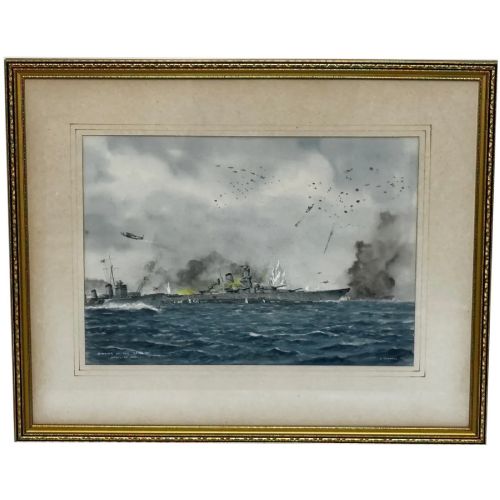
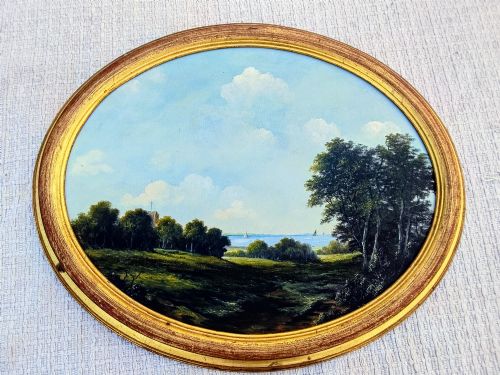
Blue seascape art brings coastal views, naval vessels and harbour scenes into focus through historical paintings.
Blue Seascape Art
Blue seascape art encompasses works depicting open waters, coastal landscapes, and maritime subjects executed in paint or on paper. These pieces capture harbours, naval engagements, and coastal life across various historical periods from the nineteenth century onwards.
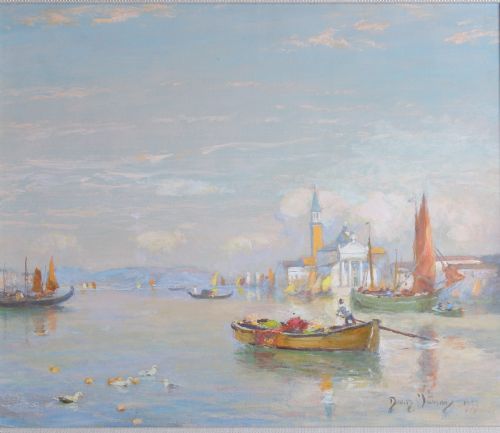
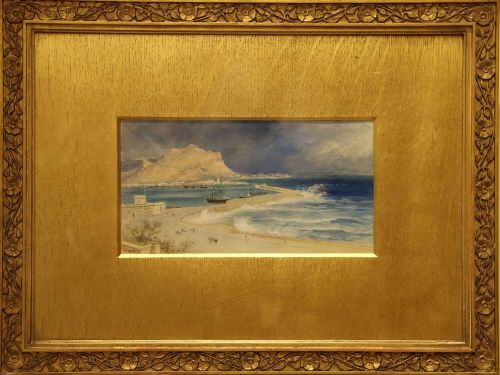
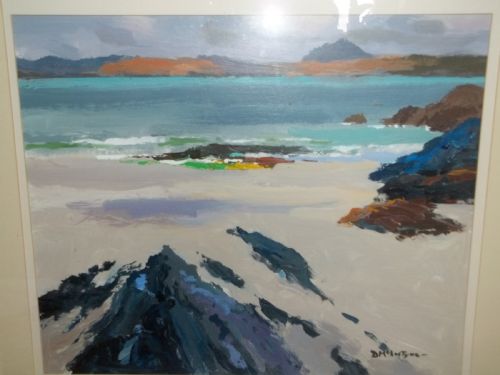
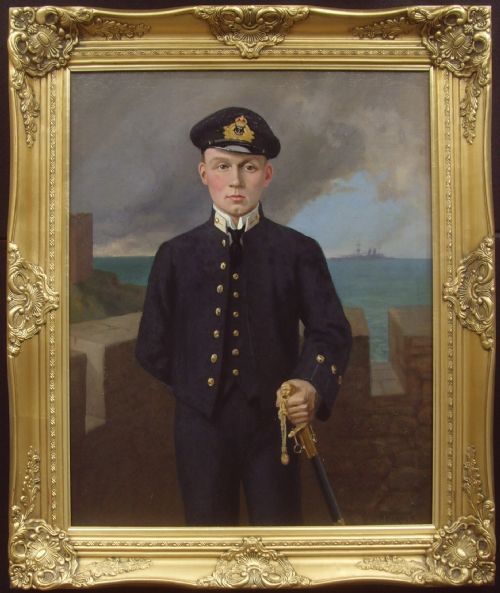
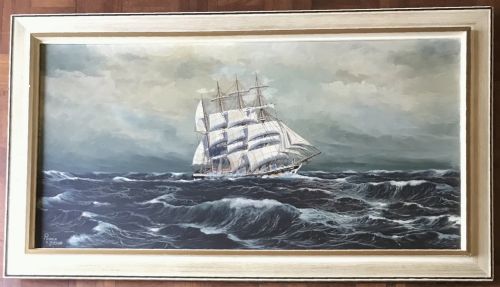
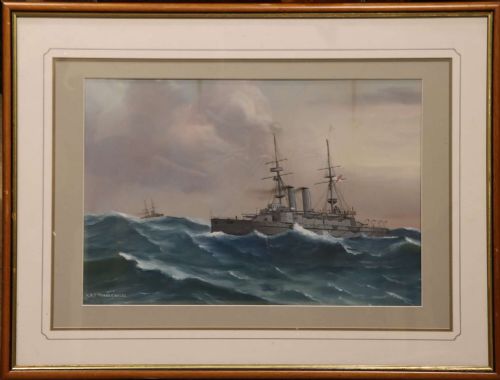
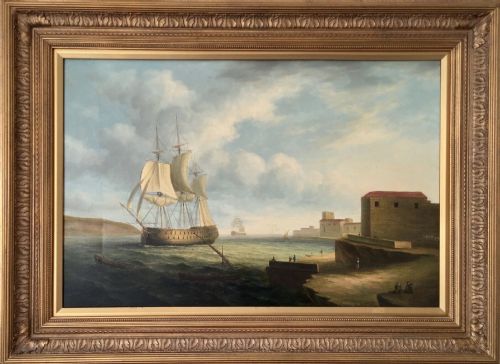
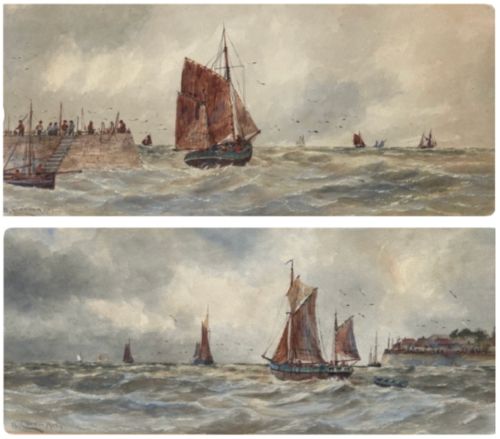
The selections on this page feature traditional watercolours and oil paintings ranging from Victorian depictions to mid-century modernist views. Buyers find coastal Cornwall scenes, Venetian lagoons, and detailed sailing ships represented in these works.
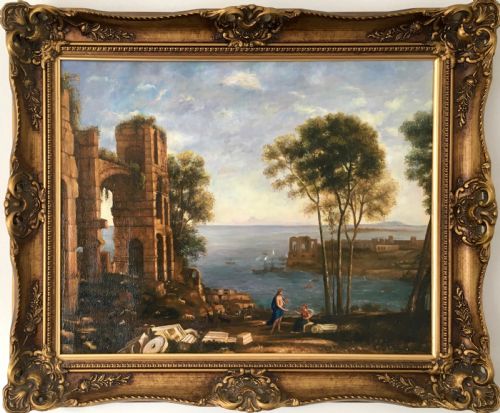
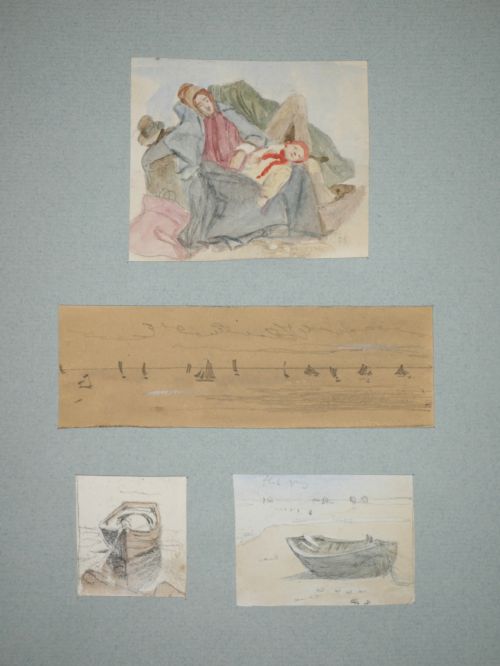
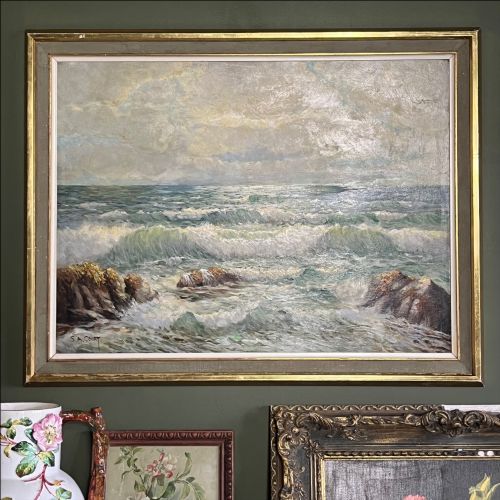
Oil paintings on canvas and panel sit alongside delicate watercolours and gouache sketches. These diverse formats show coastal scenes through British Impressionism, Post-Impressionism, and Victorian maritime traditions.
Materials and techniques
Artists create these marine works using oil paint on canvas, wood panels, or paper supports. Watercolours and gouache appear frequently on paper, often capturing coastal light en plein air or in studio settings.
Framed watercolours and oil paintings utilise traditional supports like paper, wood, and canvas. Brushwork ranges from tight maritime detailing on naval vessels to looser Impressionist strokes on coastal views.
Materials in these listings include wood, canvas, paper, glass, watercolour, oil paint, and gouache across multiple historical periods.
Variations in quality
Quality in these maritime works rests on the artist's handling of light, water, and atmospheric conditions. Stronger pieces demonstrate confident brushwork and accurate perspective in rendering vessels and coastal architecture.
The distinction between standard works and finer examples lies in the precision of detail, particularly in rigging, coastal topography, and the natural movement of the sea.
Sir David Murray RA·Donald McIntyre·Samuel Harry Hancock·James Hardy·James Orrock·William Cannon·James Smetham·Sidney A. Court·Eric Tufnell·William Banks Fortescue·Frank Watson Wood·Bernard Gribble·Thomas William Morley·Peter Brannan·Francis Moltino·Richard Henry Wright·Bernard Benedict Hemy·Thomas Creswick·Lucy Pratt·TB Hardy·Charles Euphraisie Kuasseg·Lai Fong·Joseph Farquharson·Dubovsky·William Matthison
The Blue Seascape Art Glossary
- Watercolour
- A painting method where fine pigments are suspended in a water-based solution on paper. This technique yields transparent washes of colour that suit delicate coastal atmospheric effects.
- En plein air
- The practice of painting outdoors to capture direct natural light and weather conditions. Artists working this way often depict coastal scenes and harbours on location.
- Gouache
- An opaque water-based paint that dries to a matte finish. It provides stronger colour saturation than traditional watercolour.
- Maritime
- Pertaining to the sea, ships, and navigation. This category covers both commercial shipping and naval warfare scenes.
Blue Seascape Art: Frequently Asked Questions
What periods do these paintings cover?
The works span from the nineteenth century through the Edwardian era and into the mid-twentieth century. Victorian maritime traditions and later modernist approaches are both represented.
Specific dates within titles point to the active periods of the artists or the creation dates of the individual paintings.
How do I care for watercolour art?
Watercolours on paper require protection from direct sunlight to prevent fading of the pigments and discolouration of the paper support. Framing behind glass with acid-free mounts helps preserve the condition of works on paper.
Displaying these pieces away from areas of high humidity prevents moisture damage to both the painting and its frame.
What is the difference between oil and watercolour marine art?
Oil paintings use heavy pigments suspended in drying oils, applied to canvas or wood panels. This medium allows for rich textures and deep colour layering, suitable for stormy seas.
Watercolours use water-soluble binders on paper, creating lighter, more luminous effects that capture coastal skies and calm waters.
Where were these coastal scenes painted?
Locations range from British coastal spots like Cornwall, Whitby, and St Ives to international destinations such as Venice, Palermo, and Malta. Many works record specific harbours, naval battles, and shipping routes.
Artists often travelled to coastal towns or served at sea to gather direct visual reference for their maritime subjects.