

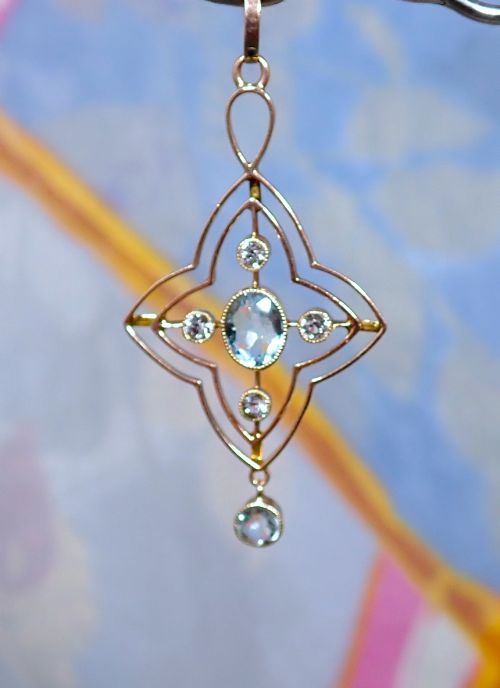


Blue Sapphire Pendant
A blue sapphire pendant brings together deep blue corundum and precious metals, offering a timeless focal point for the neckline.
Blue Sapphire Pendant
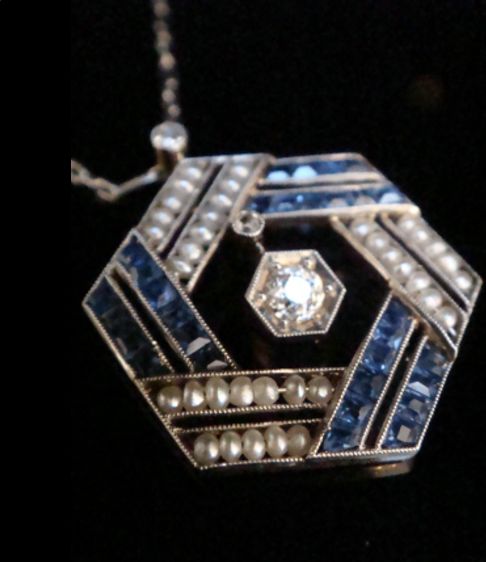
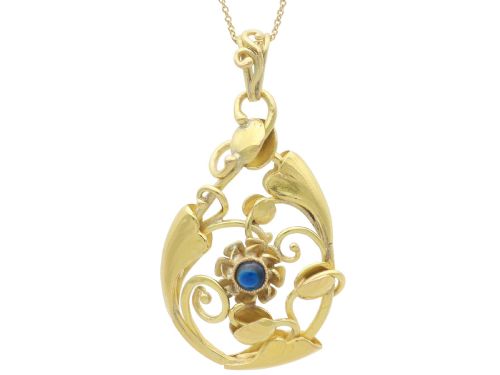
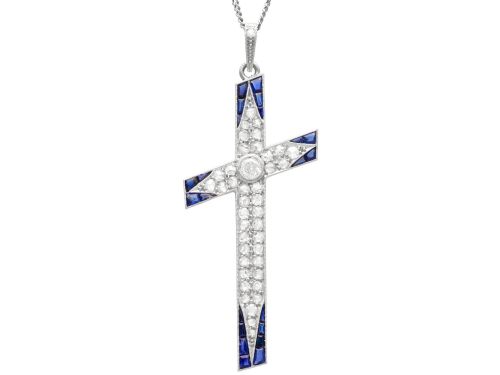
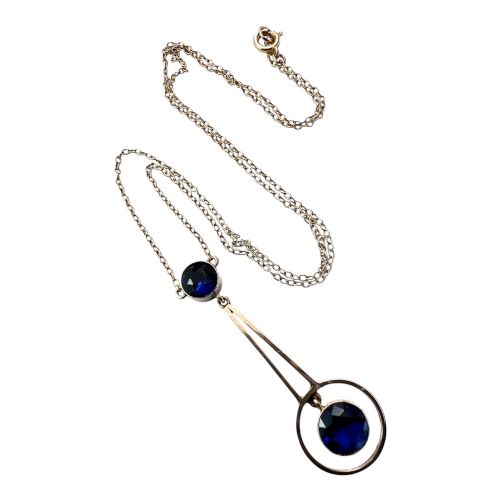
When searching for a blue sapphire pendant, buyers encounter a range of historic designs spanning the Victorian, Edwardian, and mid-century periods. These pieces take the form of drops, crosses, lockets, and cluster pendants, often paired with accompanying diamonds or pearls.
The most common versions on this page are Edwardian and Victorian creations, frequently set in gold or platinum. Alongside traditional pendants, the selection includes related items such as necklaces, brooches, and drop earrings incorporating sapphire stones.
Materials and Construction
The pieces utilise precious metals including 9ct gold, 15ct yellow gold, 18ct gold, platinum, and silver. Sapphires appear alongside diamonds, pearls, and white zircons within cluster, drop, and cross configurations.
Craftsmanship from these periods relies on secure prong and bezel settings to hold oval-cut, cabochon, and natural sapphires. Metalwork often incorporates delicate wire elements, bow motifs, or platinum framing to support the gemstone arrangements.
Blue Sapphire Pendant Retail Price Guide 2026
Typical asking prices for blue sapphire pendant among the pieces listed under this phrase on Sellingantiques today, from the lower quarter to the upper quarter. They describe what is for sale here now, not the wider market.
Several pieces take the form of witches' hearts and crescent moons, proving past generations enjoyed a touch of romance and mystery.
Assessing Quality
Quality rests on the depth and clarity of the sapphire itself, alongside the precision of the surrounding metalwork. Natural stones with rich colour command attention, particularly when paired with well-matched old-cut diamonds.
The integrity of the construction also defines the piece, from the weight of the gold or platinum mount to the fineness of the gallery work. Period details, such as hand-formed settings and original chains or findings, elevate the overall character.
The Blue Sapphire Pendant Glossary
- Cabochon
- A gemstone shaped and polished with a smooth, rounded surface rather than faceted. This style highlights the natural colour and lustre of the sapphire.
- Negligee pendant
- A Victorian or Edwardian necklace style featuring two unequal drops suspended from a central link. It offers a fluid, elongated silhouette on the neck.
- Old-cut diamond
- A diamond cut by hand before modern machinery, characterised by a small table, high crown, and deep pavilion. These stones catch candlelight with a softer sparkle.
- Seed pearl
- A very small, naturally formed pearl often used in Victorian and Edwardian cluster and crescent jewellery. They provide a delicate, luminous border to central sapphires.
Blue Sapphire Pendant: Frequently Asked Questions
How do I care for my sapphire pendant?
Clean your pendant gently using warm soapy water and a soft brush, avoiding harsh chemical dips that might harm delicate pearls or antique settings.
Store the piece separately in a lined box to prevent metal and diamond facets from scratching the sapphire surface.
Can I wear an antique pendant daily?
Most gold and platinum pendants handle regular wear well, provided the settings remain secure and the chain is sturdy enough for daily use.
Items featuring pearls or delicate Edwardian wirework benefit from occasional rather than constant wear to preserve their fragile components.
How do I identify an Edwardian pendant?
Edwardian pieces often feature platinum-topped gold, delicate garland motifs, bows, or negligee drops set with diamonds and sapphires.
Lighter, airy metalwork distinguishes this era from the heavier, warmer tones typical of earlier Victorian designs.
What is a cluster pendant?
A cluster pendant centres a primary gemstone, such as a blue sapphire, surrounded by a tighter ring of smaller stones like diamonds or white zircons.
This arrangement maximises the visual impact and sparkle of the central gem.