



Blue Porcelain Caddies
These blue porcelain caddies are glazed storage vessels designed for dry leaf tea, offering a practical touch of antique refinement.
Blue Porcelain Caddies
When you search for blue porcelain caddies, you encounter functional vessels shaped as canisters, boxes, and biscuit barrels intended for domestic storage. These objects span periods from the sixteenth century through the Georgian, Victorian, and Edwardian eras, reflecting both Asian production and English factory output.
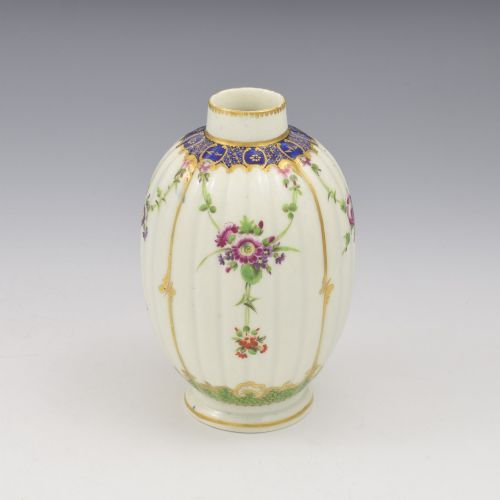
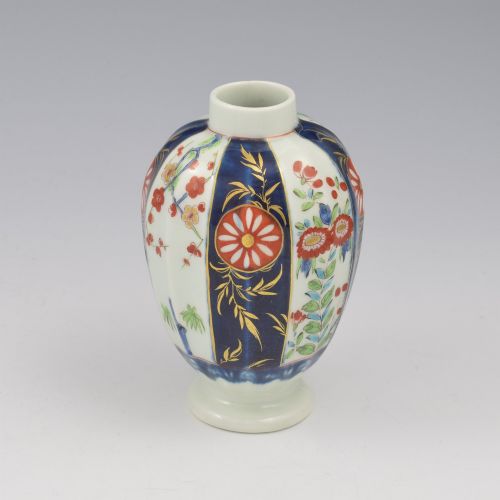
You are most likely to meet eighteenth-century English porcelain canisters alongside nineteenth-century biscuit barrels on this page. The forms range from octagonal covered boxes to fluted tea caddies decorated with cobalt pigment under a glaze.
The material evidence shows pieces created in soft-paste porcelain and earthenware, often incorporating silver-plated mounts and gold leaf accents. These diverse origins demonstrate how domestic storage vessels evolved across different dynasties and European manufacturing periods.
How they were made
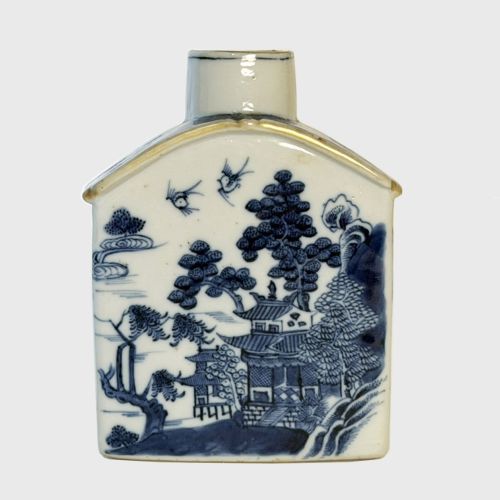
Makers utilised porcelain and soft-paste porcelain shaped into canister and box forms, applying cobalt pigment to create blue painted decoration beneath a translucent glaze. Some examples received additional embellishments such as gold leaf highlights and enamelled details.
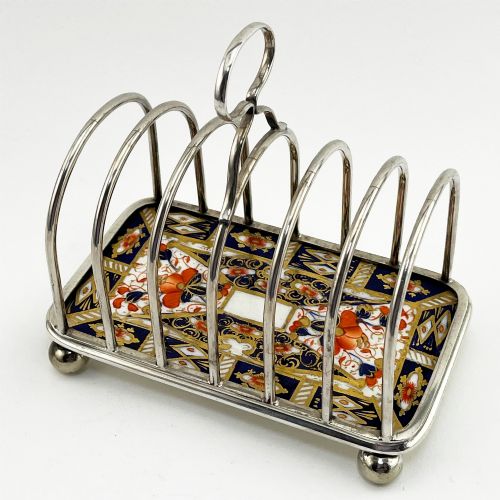
Metalwork mounts in silver plate frequently accompanied these ceramic bodies, particularly on biscuit barrels and toast racks produced during the Victorian and Edwardian periods. This combination required distinct manufacturing trades working together to unite fired clay with metal hardware.
Blue Porcelain Caddies Retail Price Guide 2026
Typical asking prices for blue porcelain caddies among the pieces listed under this phrase on Sellingantiques today, from the lower quarter to the upper quarter. They describe what is for sale here now, not the wider market.
Listings span the sixteenth to the twentieth centuries, covering periods from the Lê Dynasty through the Edwardian era with porcelain, earthenware, and silver plate.
What varies in quality
The separation between ordinary production and finer work rests on the crispness of the cobalt painting and the control demonstrated during the firing process. Pieces with a clear glaze and steady hand-painted motifs represent more skilled workshop output than blurred or hasty decoration.
The integration of secondary materials like silver-plated mounts or gold leaf accents also influences the character of a piece. Well-fitted metal hardware that complements the ceramic body indicates a higher standard of original assembly.
Carlton Ware·Davenport China
The Blue Porcelain Caddies Glossary
- Soft-paste porcelain
- A ceramic composition containing glass frit and white clay, fired at lower temperatures than true hard-paste porcelain. This body type absorbs cobalt pigment deeply beneath the glaze.
- Cobalt pigment
- A metallic colourant used to achieve deep blue tones on ceramics before glazing and firing. It withstands high kiln temperatures without losing its distinctive hue.
- Biscuit barrel
- A covered ceramic container utilised for storing dry biscuits or crackers at the dining table. They frequently feature plated metal mountings and swing handles.
- Tea canister
- A lidded vessel shaped to hold dry tea leaves securely before brewing. Eighteenth-century examples often display fluted sides and hand-painted blue designs.
Blue Porcelain Caddies: Frequently Asked Questions
What were blue porcelain caddies used for?
These vessels served primarily to store dry tea leaves safely away from moisture and light in domestic settings. Keeping tea leaves airtight maintained their flavour before preparation in the parlour.
Larger versions functioned as biscuit barrels or covered boxes for the dining table. Their decorative blue surfaces allowed them to sit openly among other tableware.
How do you date an antique porcelain caddy?
Dating relies upon examining the ceramic body, glaze characteristics, and painting style alongside any factory marks. Soft-paste porcelain and cobalt tones often point toward eighteenth-century English production.
Later Victorian and Edwardian examples frequently incorporate silver-plated hardware and different base paste mixtures. Comparing these material details with known manufacturing periods clarifies the age of a piece.
Are these caddies safe for holding tea?
While originally designed for tea storage, antique vessels are typically collected and displayed as decorative objects rather than used daily. Age can render the interior glaze delicate or susceptible to staining from modern use.
Gentle dry cleaning is recommended to preserve the original porcelain surface and any applied gold leaf. Active use should be approached with caution to protect fragile historic materials.
How do Chinese export pieces differ from English ones?
Chinese export items, including Qing Dynasty and Lê Dynasty pieces, often utilise distinct regional clay bodies and characteristic crackle glazes. Their cobalt painting styles reflect Eastern aesthetic traditions of the period.
English factories like Worcester drew inspiration from these imports while developing their own soft-paste porcelain recipes and shapes. This cross-cultural influence created noticeable variations in weight and glaze texture.