

Blue Patterned Chair
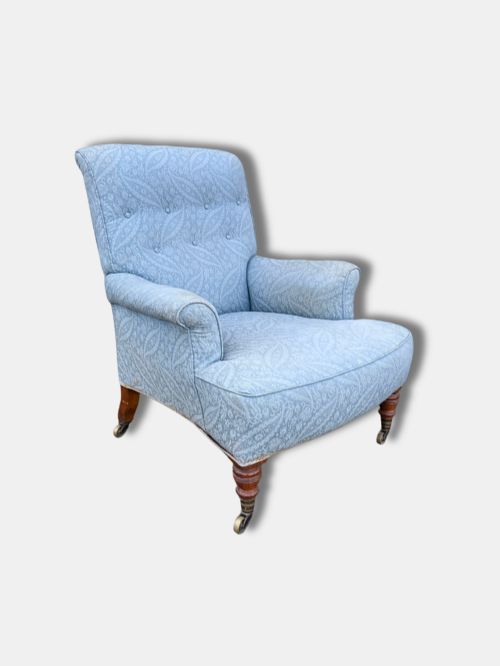
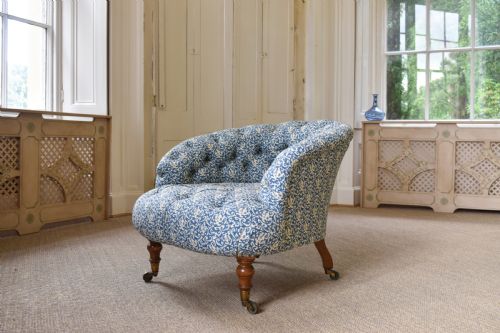
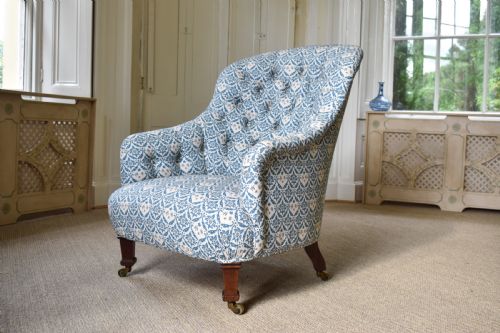
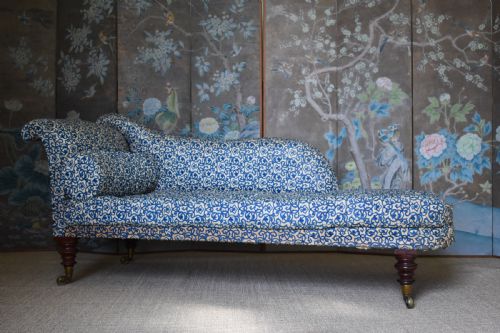
A blue patterned chair brings pattern and colour to a room, appearing in forms from Victorian library armchairs to Edwardian slipper chairs.
Blue Patterned Chair
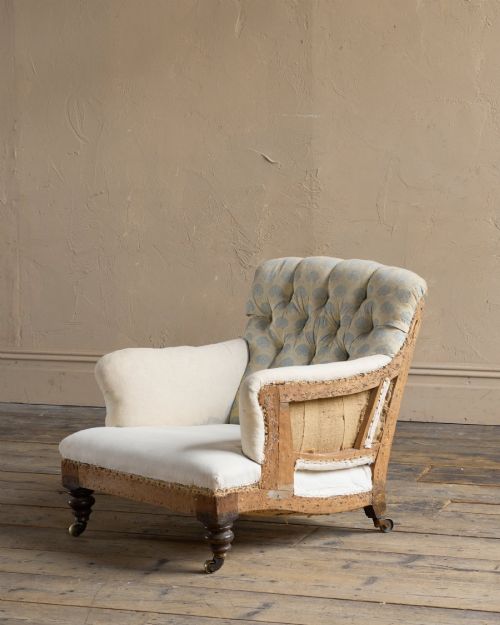
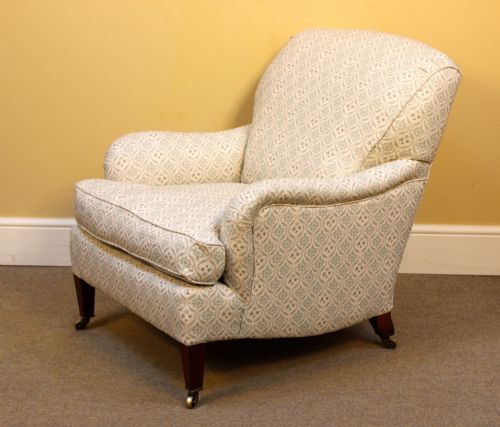
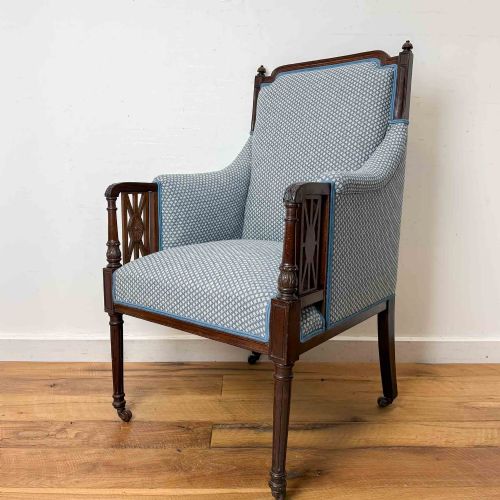
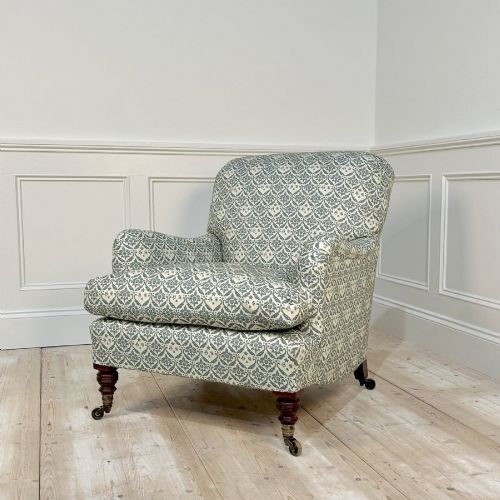
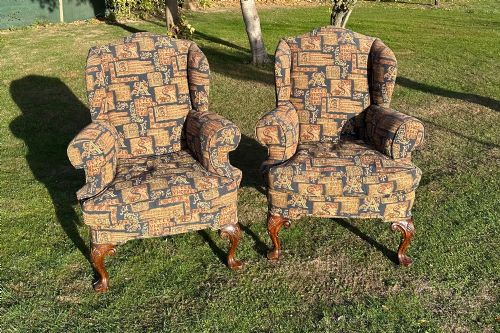
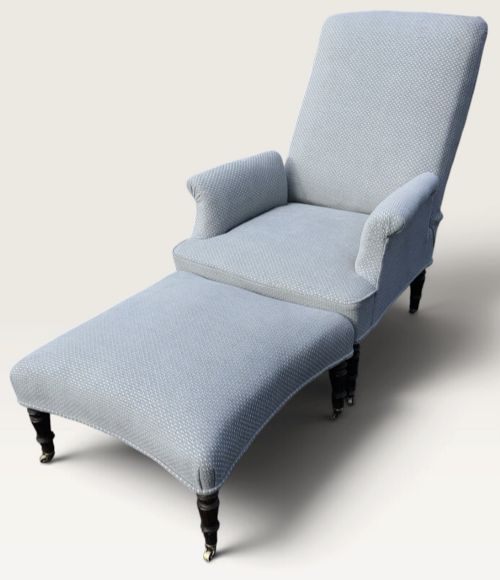
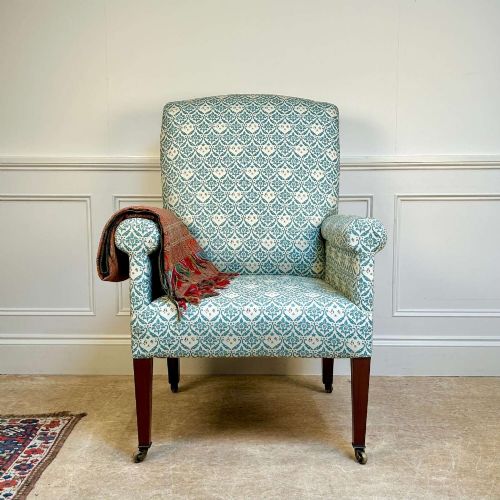
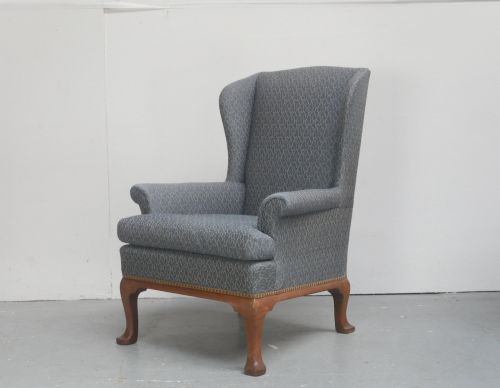
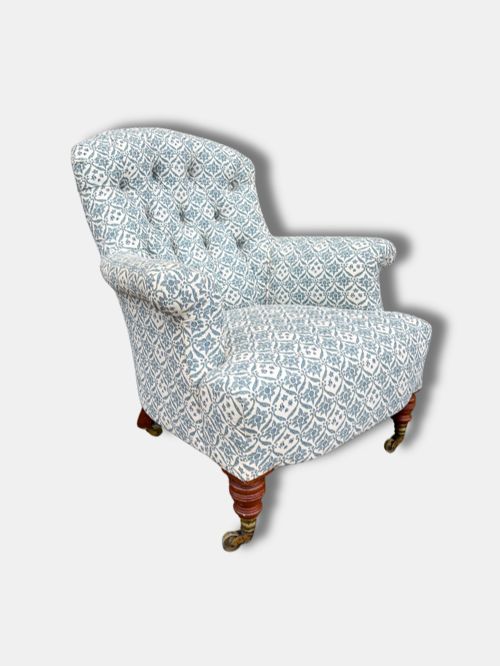
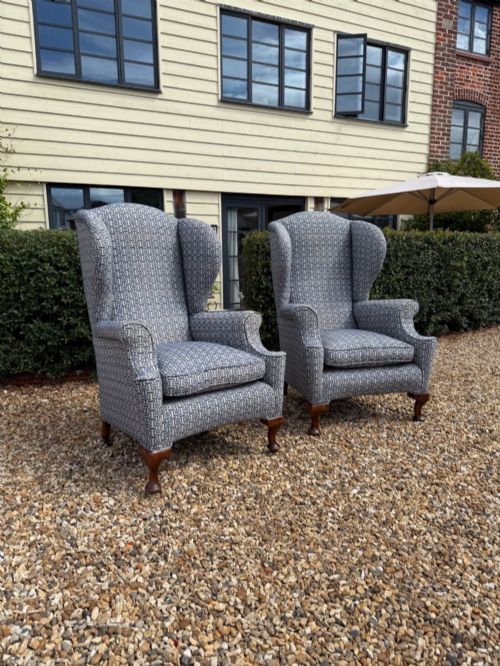
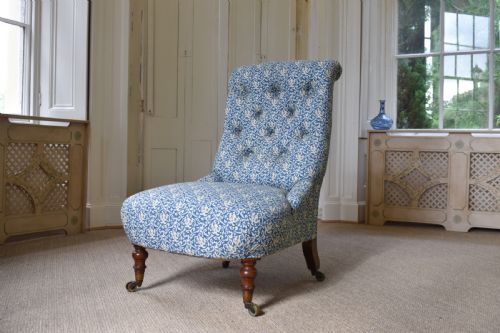
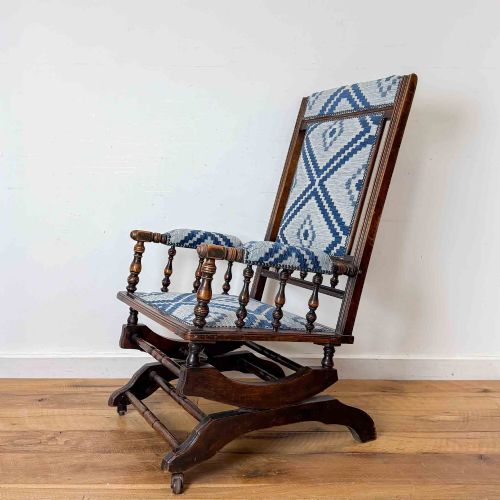
Victorian and Edwardian examples dominate the selection, often upholstered in cotton, textile, and specialised upholstery fabrics. Makers such as Howard and Sons and Whytock & Reid account for many of the library and club armchair formats. Alongside these large easy chairs, smaller bedroom and salon chairs provide alternatives for varied interior spaces.
Materials and construction
The underlying frames utilise hardwoods including mahogany and walnut, chosen for their structural strength in load-bearing armchair designs. Turned front legs frequently incorporate brass castors for mobility, supporting heavy sprung upholstery systems. Wood components are joined using traditional cabinet-making methods concealed beneath layers of padding and fabric.
Upholstery involves textiles such as cotton and specialised upholstery fabric, secured over deep-sprung interiors and buttoned backs. Decorative elements range from exposed mahogany and walnut frames to fully upholstered surfaces finished with piping or fringe. Brass hardware appears on castor wheels and occasionally on structural fixings.
Blue Patterned Chair Retail Price Guide 2026
Typical asking prices for blue patterned chair among the pieces listed under this phrase on Sellingantiques today, from the lower quarter to the upper quarter. They describe what is for sale here now, not the wider market.
The listed pieces span the nineteenth and twentieth centuries, encompassing Victorian, Edwardian, and Regency periods.
Evaluating quality
Quality rests upon the integrity of the underlying timber frame and the retention of original maker marks or stamps. Pieces by established workshops demonstrate superior joinery and durable sprung foundations that maintain their shape over decades. The harmony between the frame's proportions and the textile upholstery dictates the visual success of each piece.
Condition is measured by the preservation of original wood polish, brass castors, and the stability of the structural joints. Later recovering affects the piece according to how sympathetically the new fabric respects the original period style and form. Substantial library chairs and marked maker examples hold distinct advantages over domestic side chairs.
Howard and Sons·Whytock & Reid
The Blue Patterned Chair Glossary
- Slipper chair
- A low-seated bedroom chair traditionally used by ladies while dressing. The shortened legs place the seat closer to the floor.
- Tub chair
- An armchair featuring a rounded, enclosed back that curves continuously into low arms. This form provides a cocooning seat structure.
- Library chair
- A heavy, deep-seated armchair designed for prolonged reading in private libraries. These pieces prioritise robust cushioning and ergonomic support.
- Castor
- A small wheel attached to the base of furniture legs to ease movement. Brass versions are common on nineteenth-century upholstered seating.
Blue Patterned Chair: Frequently Asked Questions
What defines a club armchair?
A club armchair is a deep, generously proportioned seat built for heavy domestic use.
These pieces typically feature low backs and wide arms, upholstered heavily to prioritise comfort.
How do I identify an Edwardian chair?
Edwardian chairs date from the early twentieth century and often exhibit lighter proportions than Victorian equivalents.
Makers of this era favoured comfortable library and wing chair designs utilising mahogany and walnut.
Where were slipper chairs used?
Slipper chairs were traditionally placed in bedrooms for personal use during dressing.
Their low seats distinguish them from standard parlour or library armchairs.
Are these chairs suitable for daily seating?
These antique armchairs are built with sturdy hardwood frames and traditional sprung interiors designed for regular use.
Their robust construction allows them to function effectively in modern living spaces.