



Blue Pastel Landscape
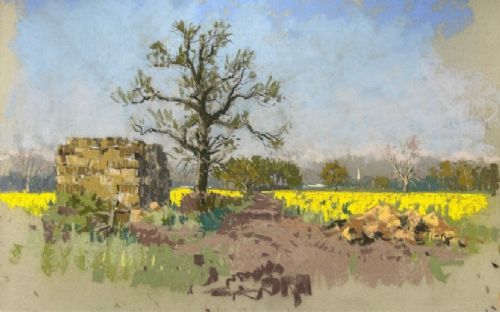
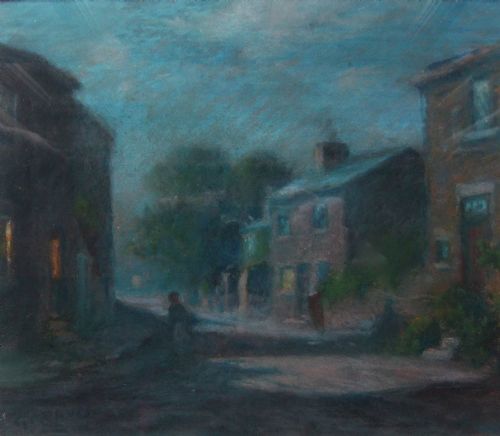
A blue pastel landscape brings the soft, atmospheric tones of sky and water into a room through chalk pigments handled with great immediacy.
Blue Pastel Landscape
A blue pastel landscape captures views of rivers, coasts, and towns through the delicate application of dry pigment on paper. These works range from small studio portfolio pieces to finished framed paintings originating across the nineteenth and twentieth centuries.
The selections available here lean heavily into mid-century British and European traditions, with specific depictions of Yorkshire dales, Cornish harbours, and Mediterranean scenes. Pastel drawings often appear alongside mixed media pieces combining gouache or watercolour on paper.
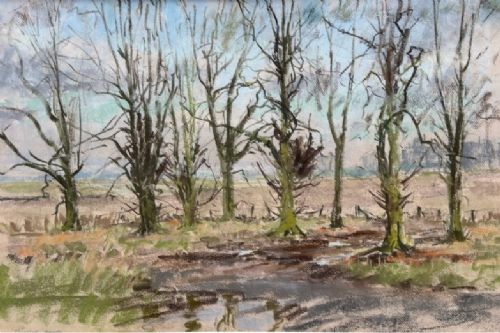
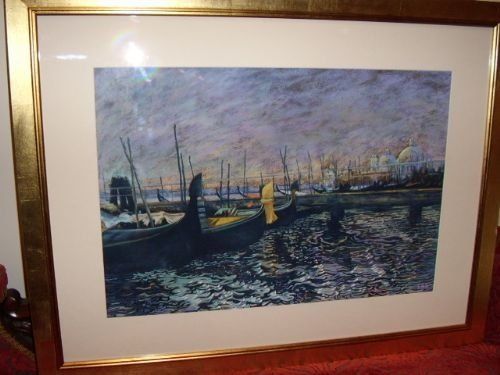
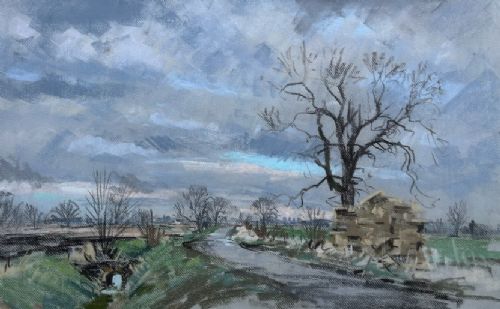
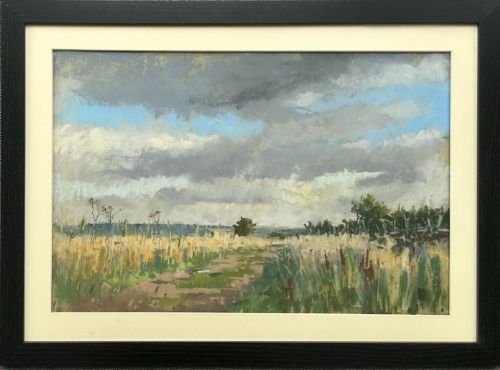
Buyers will encounter rural winter views alongside sunlit coastal settings, demonstrating the wide atmospheric range achievable with blue pastel tones. The artists working in this medium recorded fleeting light effects across canals, harbours, and open country.
Materials and techniques
Pastel drawings rely on compressed powdered pigments applied directly to paper or canvas supports, often protected beneath glass within wood or gilt wood frames. Artists layer these soft chalks to build texture and depth, sometimes blending hues with paper stumps or fingers.
Many works combine pastel with watercolour, gouache, or ink, adding structural lines and fluid washes beneath or over the powdery chalk layers. Canals and harbour scenes are frequently rendered on tinted papers that allow the blue pastel strokes to sing against the exposed ground.
Blue Pastel Landscape Retail Price Guide 2026
Typical asking prices for blue pastel landscape among the pieces listed under this phrase on Sellingantiques today, from the lower quarter to the upper quarter. They describe what is for sale here now, not the wider market.
The selection includes British Impressionism, Post-Impressionism, and mid-century Modern British styles.
Assessing quality in pastel art
Quality rests on the sureness of the hand and the preservation of the delicate chalk surface over decades. Stronger works demonstrate confident mark-making that captures light and atmosphere economically, avoiding heavy blending that deadens the pigment.
The relationship between the pastel drawing and its original frame matters significantly, as works on paper require proper glazing and matting to prevent pigment loss and moisture damage.
Angus Rands·William Greaves·Gyrth Russell·Henry Wimbush·Augustus William Enness·Lamorna Birch·Henry Bright
The Blue Pastel Landscape Glossary
- Pastel
- A dry painting medium consisting of powdered pigment and a binder rolled into sticks. It allows for rapid application of pure, vibrant colour.
- Gouache
- An opaque water-based paint often used alongside pastel to add solid highlights and opaque areas of colour to a composition.
- Post-Impressionism
- An artistic movement following Impressionism that prioritised expressive forms and symbolic use of colour over mere visual naturalism.
- Gilt Wood
- Timber framing treated with gold leaf or metallic paint, commonly found protecting traditional and twentieth-century paintings.
- Studio Portfolio
- A collection of previously unseen works kept together by the artist or their estate, often emerging long after the creator's death.
Blue Pastel Landscape: Frequently Asked Questions
How should I hang a pastel landscape?
Pastel works on paper must hang away from direct sunlight to prevent the delicate pigments from fading over time. Ensure the room has stable humidity levels to protect the paper and framing materials.
Keep them behind glass with a proper mount that stops the paper from touching the glazing. This simple precaution preserves the friable chalk surface indefinitely.
What periods do these landscapes cover?
The available selection spans from the nineteenth century through to the mid-twentieth century. Works from the 1940s, 1950s, and 1960s sit alongside earlier Victorian and Edwardian examples.
This breadth shows how artists across different decades utilised soft chalks to interpret coastal and rural scenery.
Can I find works by named artists here?
Several pieces originate from known painters and members of artistic circles, such as Lamorna Birch and Angus Rands. Their studio portfolios and framed watercolours offer documented provenance.
Checking the signatures and historical records helps connect individual sheets to an artist's wider body of landscape production.