




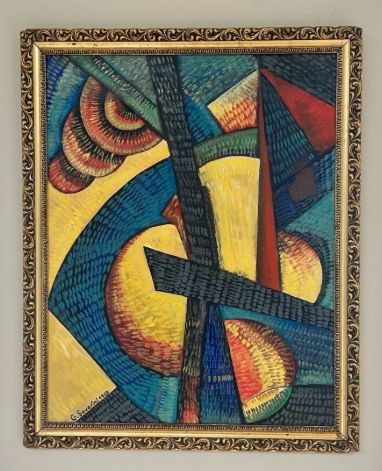


Blue Oil on Board
A blue oil on board painting brings together pigment and rigid support, offering enduring texture and colour from the nineteenth century onward.
Blue Oil on Board
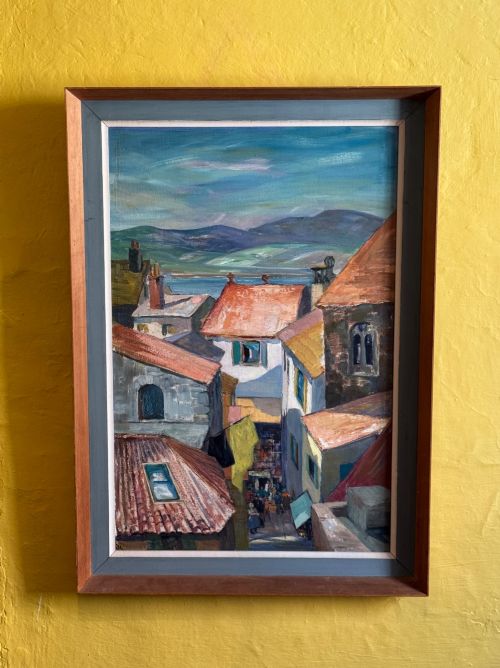
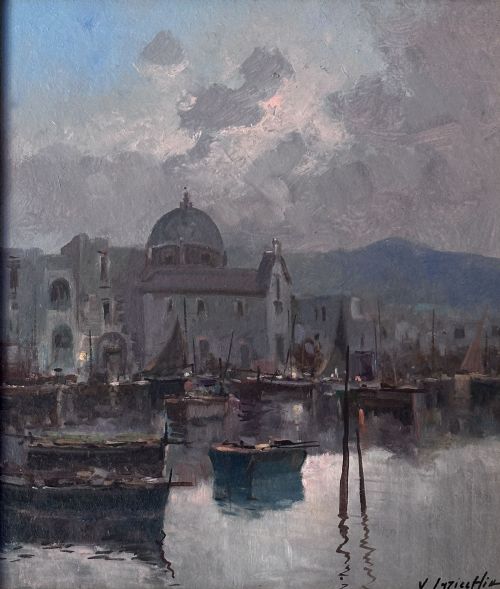
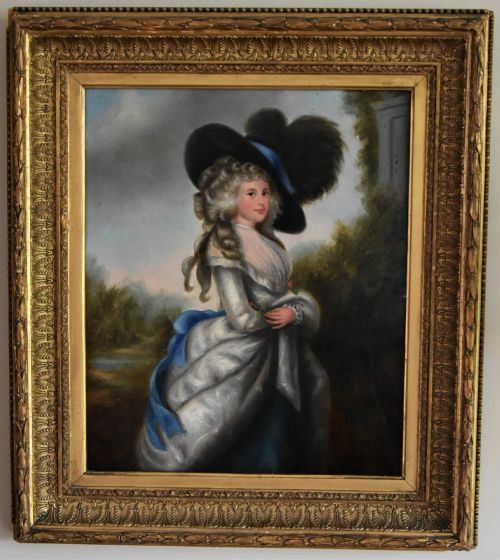
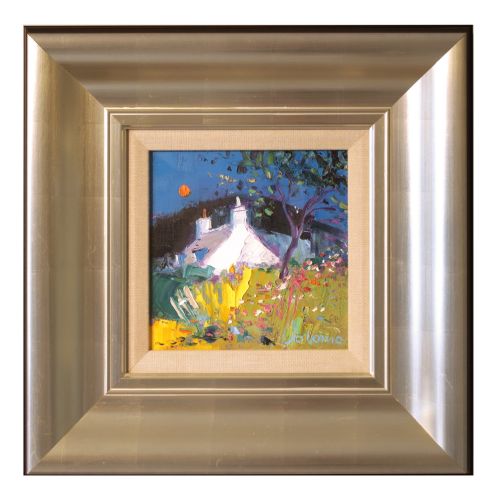
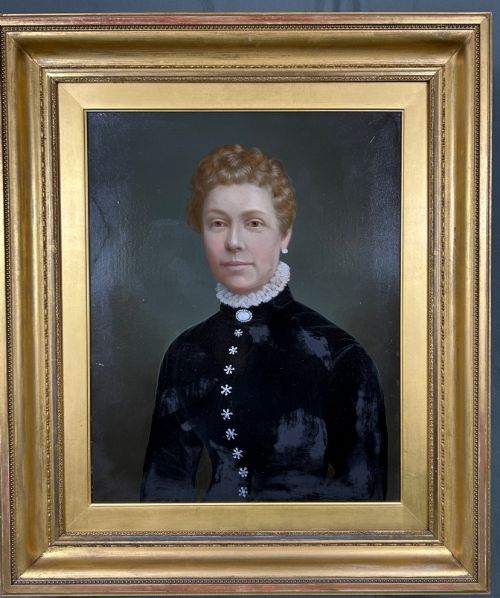
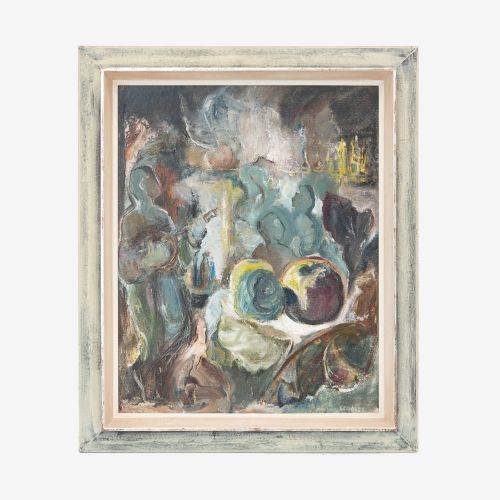
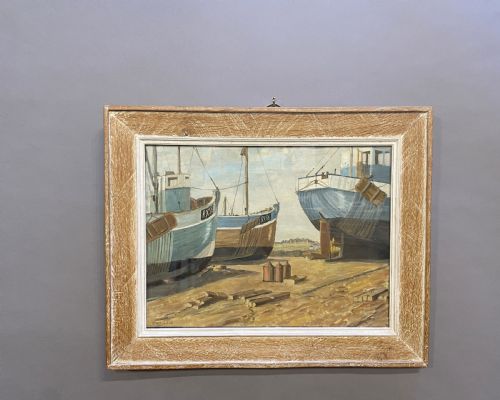
When you search for blue oil on board, you encounter works spanning from the nineteenth century through the mid-twentieth century and later than nineteen sixty. These pieces range from British landscape and marine views to French colourist scenes, portraits, and still life arrangements.
The most common examples on this page are mid-twentieth century works, alongside Victorian portraits and coastal landscapes executed in oil paint upon wooden panels or rigid board supports.
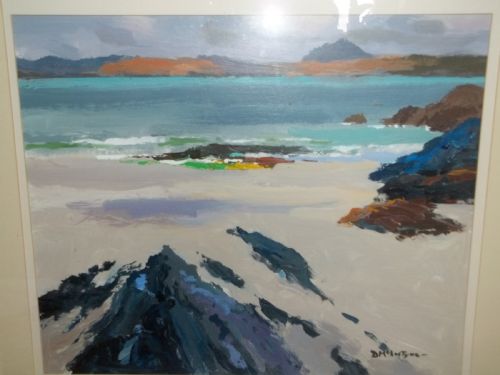
Subjects encompass historic figures, architectural studies, rural Yorkshire and Scottish views, and abstract or modernist compositions.
Materials and technique
Artists painted using oil colours applied directly to board, wood panels, or canvas laid on board, sometimes housed in gilded wood frames or decorated with metallic leaf.
Techniques vary from smooth nineteenth-century portrait finishes to heavy impasto strokes applied by Scottish impressionist and modernist painters.
Blue Oil on Board Retail Price Guide 2026
Typical asking prices for blue oil on board among the pieces listed under this phrase on Sellingantiques today, from the lower quarter to the upper quarter. They describe what is for sale here now, not the wider market.
Several canvases originally lived another life before being laid onto board to catch a quick coastal breeze.
Quality and execution
Quality rests in the handling of the medium, where confident brushwork, depth of pigment, and structural balance separate accomplished works from routine decorative panels.
Provenance, legible signatures, and period framing further elevate the standing of an oil painting on board.
John Lowrie Morrison OBE Jolomo·Lilian Colbourn·Florence Adelina Hess·Septimus Scott·Gino Severini·Antonietta Brandeis·Benjamin Callow·Markey Robinson
The Blue Oil on Board Glossary
- Oil on board
- A painting created by applying oil paint directly onto a rigid wooden panel, cardboard, or fibrous board substrate. This method offers a firm painting surface that requires less preparation than stretched canvas.
- Impasto
- Paint laid thickly on a surface, standing out in relief from the board. This technique allows brush marks and knife strokes to catch the light and add physical depth.
- Post-Impressionism
- An art movement extending beyond impressionism that prioritised expressive forms and symbolic use of colour. Works in this style focus on structural clarity rather than purely optical recording.
- Anglo-Indian
- A term describing art or artefacts created during the British presence in India, often blending European painting techniques with South Asian subjects.
Blue Oil on Board: Frequently Asked Questions
What is oil on board?
Oil on board describes a painting where oil-based pigments are applied to a rigid wooden panel or stiff board rather than flexible fabric canvas. This provides a solid ground that resists sagging.
Such supports have been utilised by artists for centuries, offering durability and a smooth or textured working surface depending on the panel preparation.
How do I date a painting?
Dating relies on stylistic clues, framing methods, signatures, and artist biographical records. Mid-century works often show modern or abstract tendencies, whereas nineteenth-century pieces lean towards academic portraiture or topographical landscapes.
Examine the reverse of the board for old labels, inscriptions, or stamps left by framing shops or exhibition societies.
How should I display these paintings?
Display paintings away from direct sunlight and dramatic fluctuations in temperature or humidity to protect the oil pigment and wooden board. Stable indoor conditions prevent warping of the panel and fading of colours.
Ensure the piece is securely hung using appropriate fixings suited to the weight of the frame and board.
Are these works signed?
Many listings feature signatures, monograms, or attribution to known regional and international artists, while other pieces remain unsigned or bear historical attribution notes. Signatures often appear in the lower corners of the composition.
Archival records and stylistic comparison help identify unsigned or lesser-documented works from specific periods.